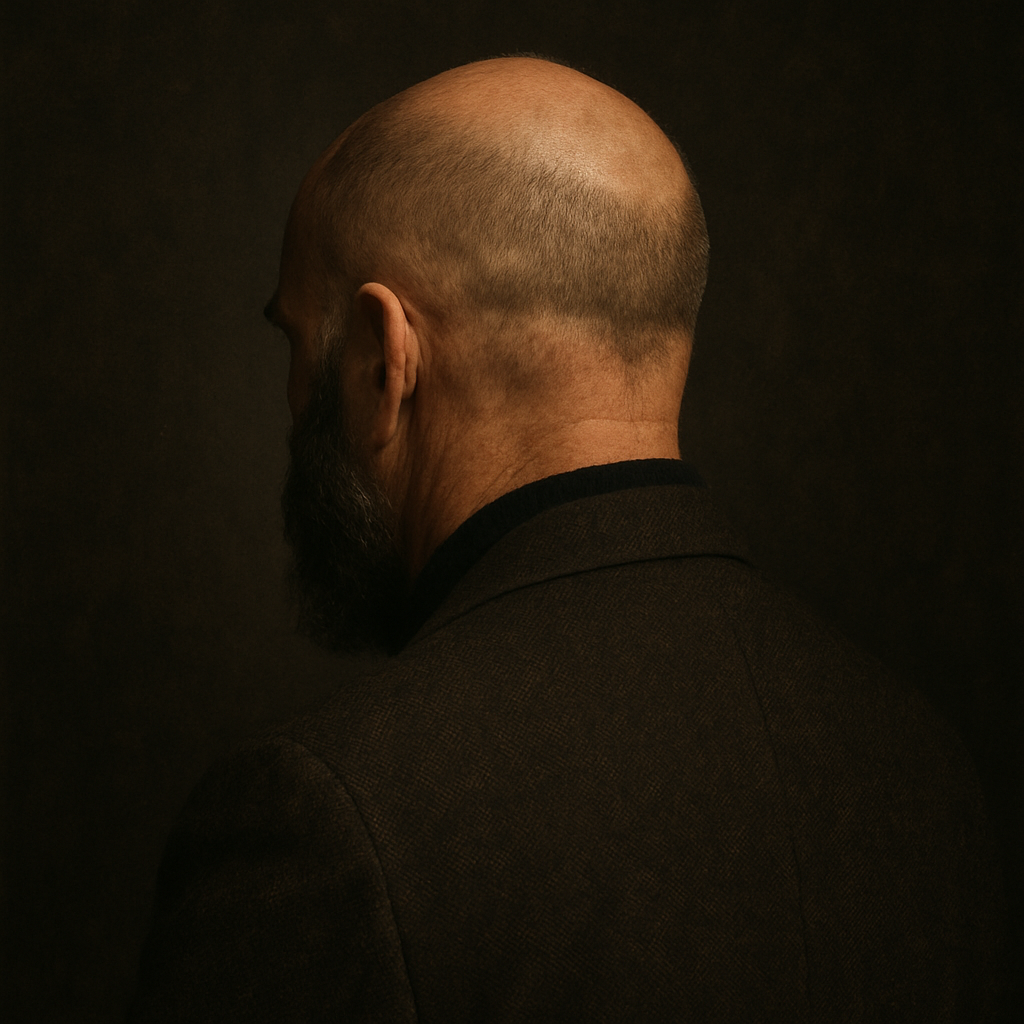
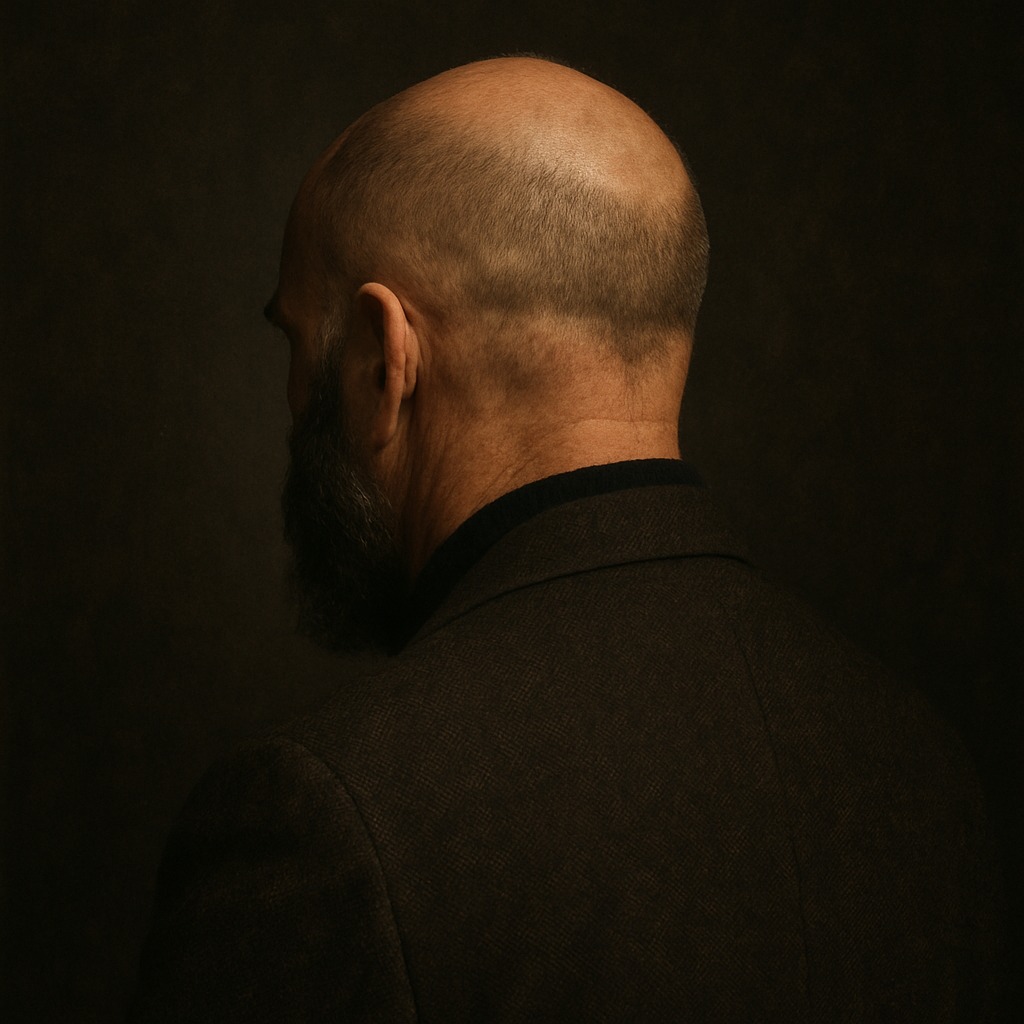
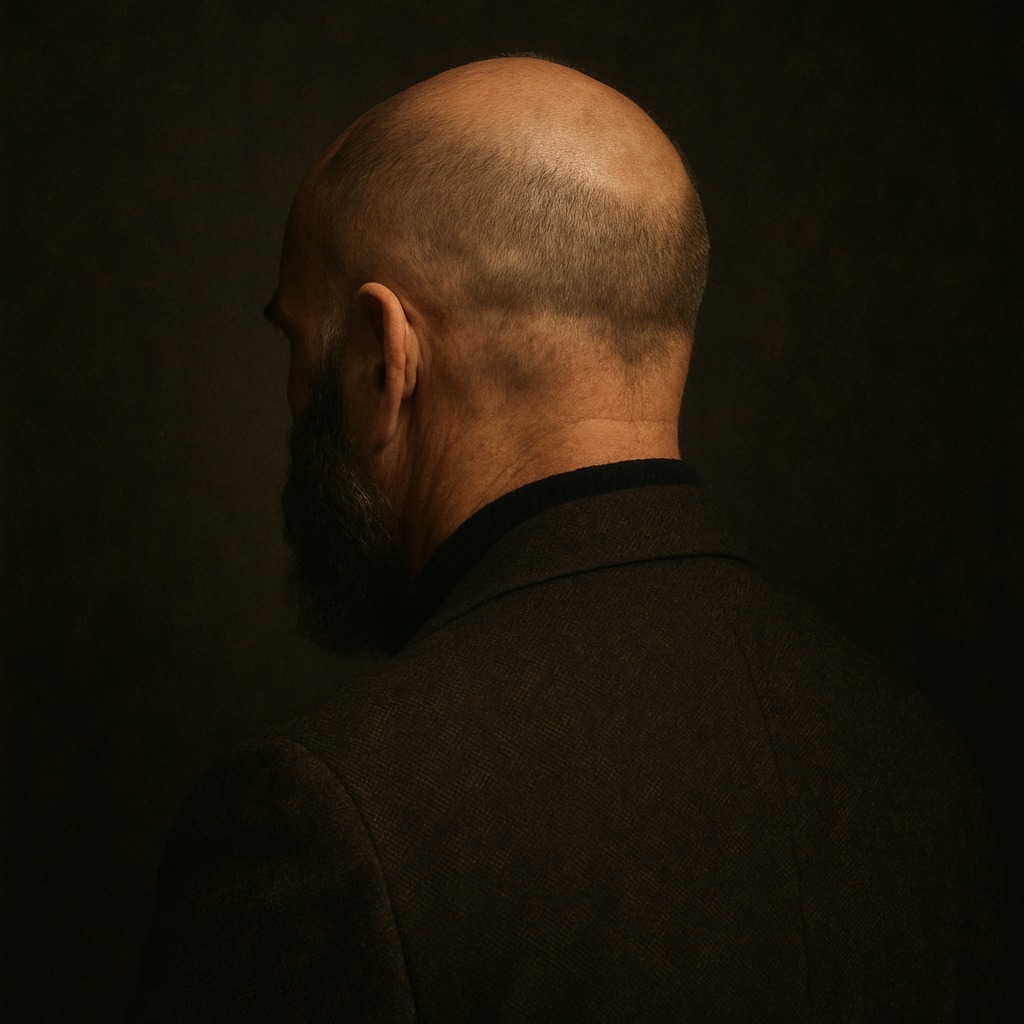
Bülent Arınç.
Most recently, he stirred controversy with his criticism of the cancellation of Ekrem İmamoğlu’s diploma and his detention.
“Neighborhood” has become a widely used concept that reflects the deep polarization in Turkish politics. There’s an “AKP neighborhood,” we say, and there’s an “opposition neighborhood.” But with his remarks, which carried a tone of self-criticism, Arınç managed to draw a backlash from both his own neighborhood and its direct opposite.
For those who know him, Arınç’s remarks came as no surprise. Throughout the AKP’s 23 years in power, he has been one of the few — perhaps the only — figures to voice such open dissent from within. Why? He puts it this way: “I have a certain weight of my own. I’m not like the others.”
Despite criticizing party policies so publicly, his ties with President Erdoğan remain intact — something he attributes to his “certain weight” within the party.
ONE OF THE FOUNDING FOUR
Arınç embarked on a new political path after the 1997 “post-modern coup,” during which Necmettin Erbakan — leader of the National View movement from which today’s AKP also draws its roots — was banned from politics.
In 2001, the AKP was founded. Among many official founders, the true leadership quartet consisted of Recep Tayyip Erdoğan, Abdullah Gül, Bülent Arınç, and Abdüllatif Şener.
Though Erdoğan emerged as the frontman, among themselves they called his position “first among equals.” The concept of “common sense” they coined at the time reflected this idea. Due to his age and political experience, Arınç became known as “Brother Bülent” within the group. Just as Erdoğan was called “reis” — the chief — Arınç was “abi” — the elder brother.
Part of his seniority came from the fact that back in 1968 — when political movements in Turkey were just beginning to gain mass momentum — he was a law student in Ankara whose path had already crossed with Erbakan’s.
CLASH WITH GÖKÇEK
Arınç served as parliament speaker during the AKP’s first term in government and later became deputy prime minister and government spokesperson.
It was during this period that he became locked in a now-famous feud with Melih Gökçek, then the party’s mayor of Ankara. When Gökçek accused him of being a supporter of the Gülen movement, Arınç fired back with a memorable line: “He sold off Ankara, plot by plot.” As always, when he says this, we understand that Arınç doesn’t “carry a basket of eggs on his back”—a Turkish idiom implying he speaks freely, without the burden of responsibility. Despite having held some of the most critical positions in the state for years, Arınç’s name has never been associated with corruption.
COSMIC ROOM AFFAIR
Returning to the neighborhood metaphor, Arınç is most often criticized by his opponents for the infamous “Cosmic Room” incident. During his time as deputy prime minister, a suspected assassination plot against him led to a deeply controversial search by police of classified military documents at the Ankara Regional Mobilization Headquarters — a secure area dubbed the “Cosmic Room.” It was the first time police had entered such a military zone, and the incident remained a source of debate for years. Whenever Arınç speaks out, this episode is thrown back at him. Yet from the opposing “neighborhood,” this country deserves critiques not rooted in military sensitivities, but in civilian concerns: rule of law, justice, and the deepening economic crisis.
THE WARRIOR
“Mücahit” means one who fights in the name of religion — a warrior for faith. Arınç’s political life unfolded under this slogan.
The best-known was “Mücahit Erbakan.” Perhaps — or rather, without a doubt — one of Arınç’s favorite names is “Mücahit.” His son, currently an AKP MP, is named Ahmet Mücahit Arınç. Like Erdoğan, Arınç is a powerful orator who can rouse a crowd. In contrast, Abdullah Gül is more suited to conference halls and panel discussions, while Erdoğan and Arınç thrive at open-air rallies.
NOT THE MADMAN OF THE NEIGHBORHOOD
In Turkish, there’s a saying — “the madman of the neighborhood” — used for those who speak without a filter and, as a result, are not taken seriously. But Arınç is no such figure.
He is now the elder of the neighborhood — the “abi”. Unlike Presidential Advisor Mehmet Uçum, a relatively new face within the AKP who tends to deepen divisions with his rhetoric, Arınç speaks differently. He clearly doesn’t want the wounds between neighborhoods to bleed any further.
He seems to favor letting them scab over and heal.