British energy giant BP became the third high-profile petroleum partner of state-run Turkish Petroleum Corporation (TPAO) in the past month, highlighting Ankara’s efforts to increase upstream production while diversifying its alliances.
TPAO signed an agreement with BP to develop strategic cooperation in oil and natural gas. The agreement will enable Turkey to establish a framework for the cooperative development of oil and natural gas fields, exploration evaluations, and enhancements to export infrastructure.
At the signing ceremony in Istanbul, Energy Minister Alparslan Bayraktar said that their primary focus was cooperation in Iraq, particularly in the Kirkuk fields. He also mentioned that TPAO is looking into joint ventures in Libya, Kazakhstan and Azerbaijan. Turkey's plan to double TPAO's daily production from about 500,000 barrels to 1 million barrels by 2028 includes these partnerships.
The deal with BP follows Turkey’s recent agreements with U.S. energy firms Exxon Mobil and Chevron Corp. Last month, TPAO signed an agreement with Exxon Mobil’s subsidiary ESSO to explore new blocks in the Black Sea and the Mediterranean, before finalizing a separate production-focused partnership with Chevron.
In Libya's first international tender in 17 years, TPAO also won offshore and onshore licenses for two energy blocks. The projects, which will be developed in collaboration with Spain’s Repsol and Hungary’s MOL Group, will highlight Turkey's growing presence in the Middle East and North Africa.
$1.5 TRILLION IN GOLD RESERVES
Besides hydrocarbons, Bayraktar highlighted Turkey’s potential in unexploited mines, saying that the country is home to an estimated 10,000 tons of economically recoverable gold reserves. At current market prices, this represents a value of approximately $1.5 trillion.
“Gold that remains underground benefits no one; we must dig it out and integrate it into the economy,” the minister said in a recent interview. Turkey produces between 30 and 40 tons of gold each year, but the government aims to significantly increase output in the coming years.
In countering the criticism of foreign participation in mining projects, Bayraktar explained that legislative amendments were introduced in July that link the state’s revenue share to global gold prices. Under current market conditions, the state is entitled to 31.25% of total gold production.
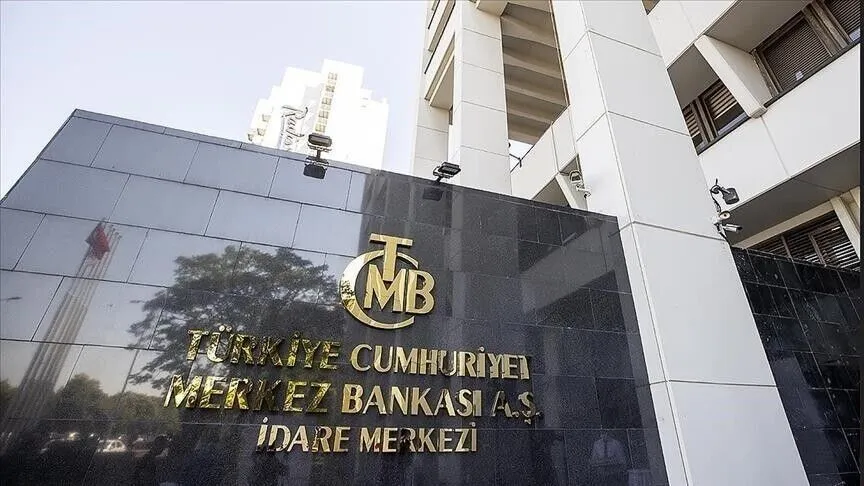
“That share goes directly into the Central Bank’s reserves,” Bayraktar said, presenting it as part of a broader effort to strengthen Turkey’s financial resilience by leveraging domestic natural resources.