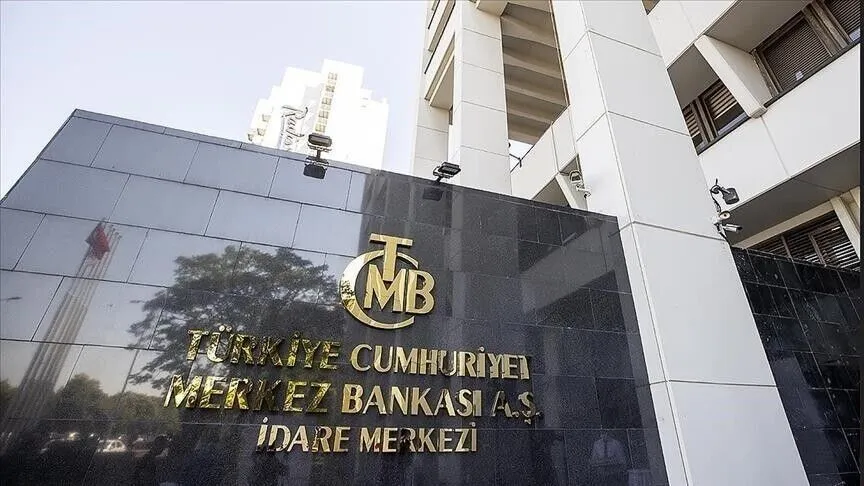
Sabancı Holding and Carrefour Nederland BV sold their majority stake in CarrefourSA to Yeni Mağazacılık A.Ş., the parent company of the discount giant A101, reigniting debate over alcohol sales and lifestyles.
The deal valued the company at $325 million and sparked national debate focusing on the conservative management of the purchasing firm.
Under the terms of the agreement, A101’s parent company will acquire 89.28% of CarrefourSA shares. This includes Sabancı Holding’s 57.12% stake and Carrefour Nederland’s 32.16% share. The completion of the sale now rests on the approval of the Turkish Competition Authority.
END OF ALCOHOL SALES?
The acquisition immediately raised concerns regarding the sale of alcoholic beverages in CarrefourSA stores. A101, one of the budget retailers known locally as the “three-letter” chains, does not sell alcohol and has a conservative corporate identity. Industry insiders expect CarrefourSA to follow suit, mirroring Carrefour’s business model in Middle Eastern markets where alcohol is prohibited.
If the new management stops alcohol sales, Migros will be the only national retail chain offering such beverages. Market analysts expect significant customer traffic toward Migros, but the social implications seem to be weighing more heavily on the public mind than the economic ones.
'DUBAI MODEL' AND TIMING
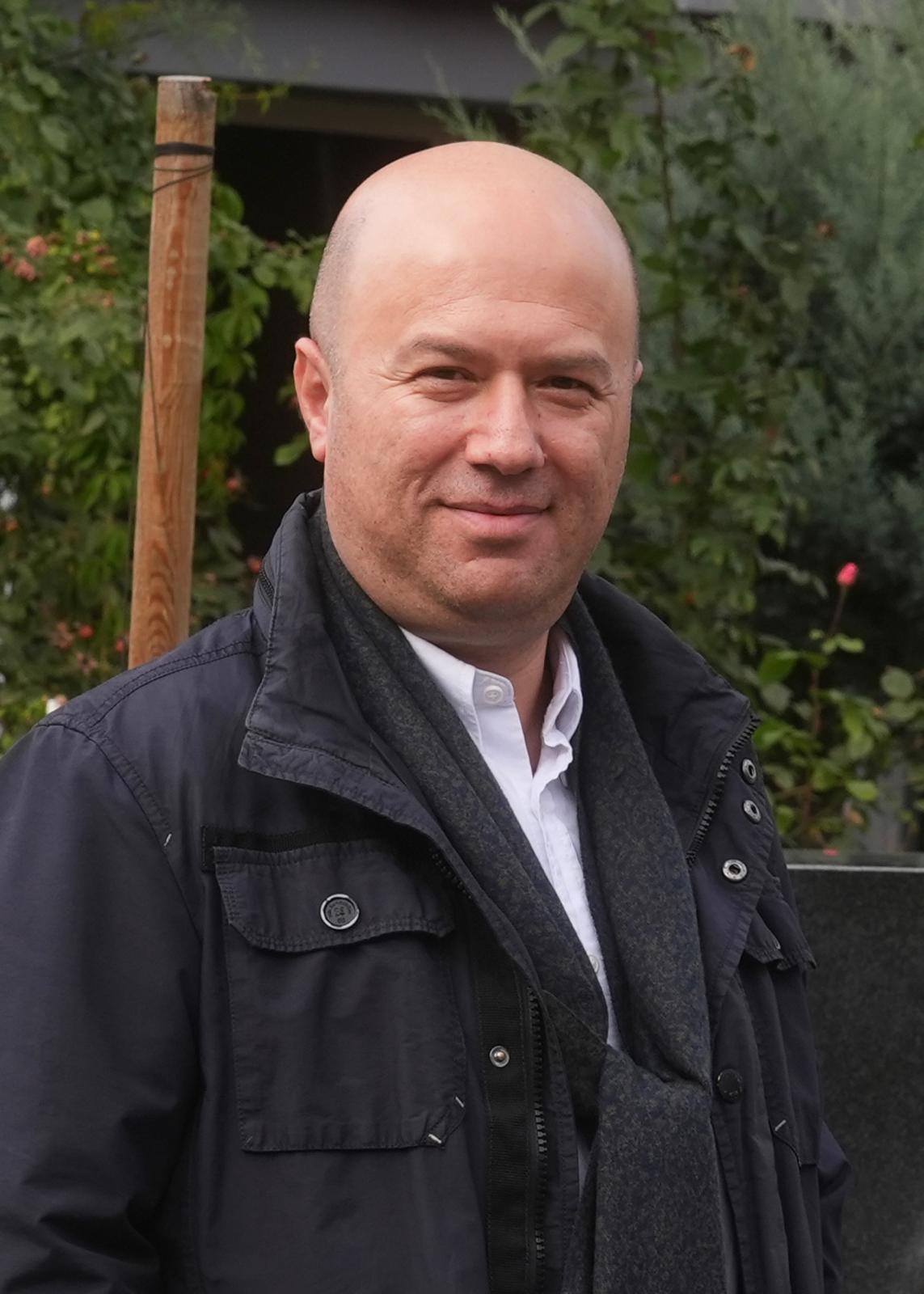
Dissident journalist Barış Pehlivan said that the acquisition came after comprehensive research was conducted by A101 on how to capture younger consumers. However, he noted that the removal of alcohol from shelves might be a gradual process tied to political cycles.
'The conservative new owners of Carrefour will not take alcoholic drinks off the shelves immediately,' Pehlivan wrote. 'Those wines will disappear slowly. The real decisive factor is the election expected next year.'
Pehlivan questioned whether the acquisition signaled a transition to a 'Dubai model', where alcohol consumption is restricted to specific licensed areas primarily catering to tourists. 'Since the target is Generation Z, does the plan aim to win them over with prohibitions? It is a mystery,' he added.
STRATEGIC EXIT FOR SABANCI
While the public focused on lifestyle concerns, Sabancı Holding framed the sale as a calculated business move. The conglomerate has been refocusing its capital toward sectors with higher returns.
'CarrefourSA has been a school for this sector,' said Sabancı Holding CEO Kıvanç Zaimler. He said that the decision was based on more than just the company’s recent debt or balance sheets. 'We make these decisions based on projections for the future. The main goal is to increase the return while growing the portfolio. We take these decisions to direct all our resources to areas with higher returns.'