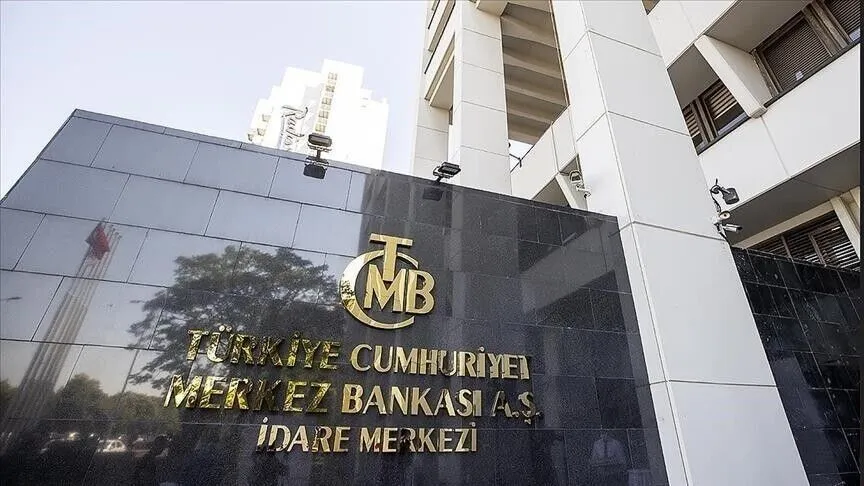
The central bank spent approximately $23.5 billion in foreign exchange interventions during the first two weeks of the Iran war to defend the Turkish lira.
According to official balance sheet data, the bank's net international reserves plummeted by $22.8 billion, falling below $70 billion. As of March 13, reserves stood at $69 billion.
The aggressive sell-off followed the February 28 attacks by Israel and the U.S. on Iran, which triggered immediate market volatility. Most of the interventions occurred during the first days of March as the bank moved to stabilize the lira. Reports indicate that $13 billion was spent in the first week alone, followed by another $10.5 billion in the second week.
GOLD RESERVES ENTER POLICY TOOLKIT
To counter the ongoing pressure, the central bank is preparing to utilize its massive gold holdings. Bloomberg reported that officials are considering gold-for-forex swap transactions in the London market. Turkey currently holds nearly $135 billion in gold reserves, a strategy developed over recent years to reduce dependency on dollar assets.
The report said that sources familiar with the matter suggest that using these reserves could provide the necessary liquidity to limit further depreciation of the lira. The bank has not officially commented on the Bloomberg report, but analysts see it as a move to expand its policy toolkit.
‘THREE DIFFICULT CHOICES’
A recent report by ING Global highlighted that Turkey, as a major energy importer, is on the front lines of the Gulf supply shock. ING Turkey Chief Economist Muhammet Mercan noted that foreign investors sold roughly $6 billion in Turkish bonds and stocks in early March. Additionally, investors exited $12 billion in long-term lira 'carry trade' positions.
The report outlined three difficult choices facing the central bank: continue market interventions using the estimated $90 billion in usable gold reserves, allow the Turkish lira to depreciate more rapidly, or implement a formal interest rate hike following the recent 300-basis-point 'stealth' increase.
According to ING economists, none of these options is ideal. As energy prices remain high, the cost of borrowing lira for one month has reached 45%, the highest level since June 2025.