By Ata Türkoğlu
As the world anticipates the outcome of the COP29 summit, which will end this week in Baku, Turkish audiences expect to hear the results of the COP31 bids.
Turkey has announced its bid to host the 31st session of the climate summit in 2026. Yet the path to securing the event remains challenging, with its competitor, Australia, currently viewed as the frontrunner.
At COP29 in Baku, Turkish officials are making an effort to capitalize on the familiar environment to secure a favorable decision on hosting COP31. While it remains unclear whether the host of COP31 will be decided at this summit, Ankara is actively lobbying for its candidacy, leveraging its proximity to Azerbaijan to strengthen its bid.
Turkish President Recep Tayyip Erdoğan announced Turkey’s candidacy to host COP31 on Nov. 12, in Baku, stating that the country is transforming its key sectors to achieve net zero emissions by 2053.
TURKISH CIVIL SOCIETY SUPPORTS HOSTING THE SUMMIT
Despite often being vocal critics of the government’s climate policies, Turkish civil society organizations also view hosting COP31 as a welcome development. Even if they are not actively involved in the process, as it is unfolding primarily through delegations, civil society experts argue that hosting the summit could push Turkey toward adopting more decisive climate policies.
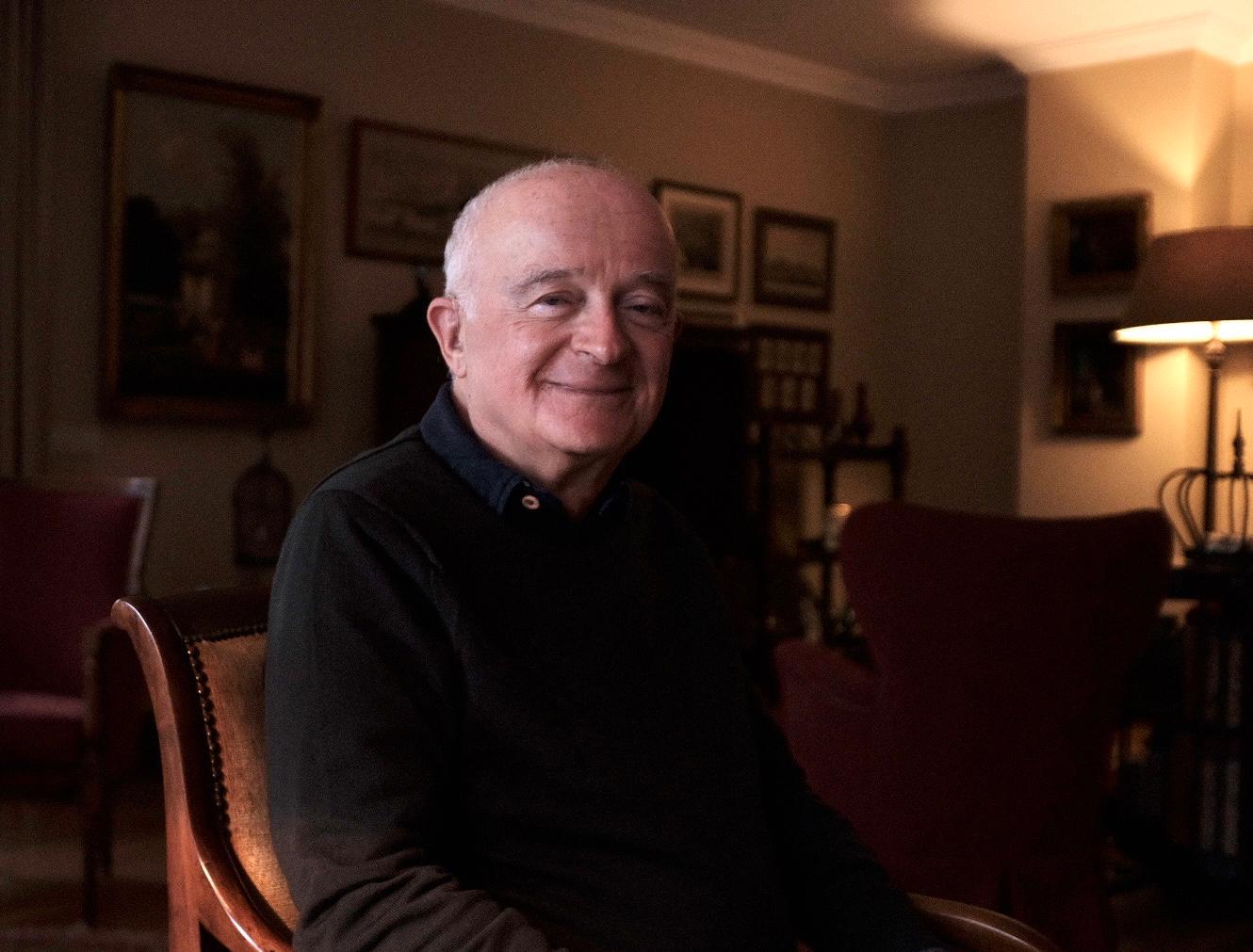
Ümit Şahin, a prominent Turkish climate expert and the coordinator of climate change studies at Istanbul Policy Center, emphasized during a recent interview that securing COP31 could encourage Turkey to take more concrete steps, such as phasing out coal and enacting stronger environmental protections.
Environmental organizations such as Greenpeace also voiced their support for Turkey’s bid, with Berkan Özyer, programme director of Greenpeace Mediterranean, commenting that hosting COP31 could give Turkey’s climate movement a much-needed boost by encouraging greater action and bolder decision-making.
TURKEY’S COP31 BID
Turkey will seek the support of Western Europe, North America and New Zealand in its bids to host the 2026 climate talks, competing against Australia, a coal giant often criticized for its fossil fuel dependence.
Turkish officials are stressing the country’s renewable energy potential to strengthen their bid. Turkey’s Minister of Environment, Urbanisation and Climate Change Murat Kurum also emphasized the country’s strategic position as a “bridge” between developed and developing nations, citing its geographical location and economic structure.
That being said, Turkey’s climate diplomats have long sought recognition as a developing country. Even at this COP, Turkey’s efforts to align with developing nations to qualify for international funding hinder its ability to secure support from the West.
Turkey claims a practical advantage, too. Centrally located between Europe, the Middle East, and Asia, the country offers comparatively accessible travel options for COP31 delegates and civil society organizations. Hosting the conference in Turkey could result in a relatively lower carbon footprint associated with travel compared to a more remote location such as Australia.
However, Australia remains in a favorable position with the support of several nations, including the United States under Joe Biden’s leadership. The EU has not yet made its position known officially but the bloc will likely support Australia, and its stance will play a decisive role in the outcome.
PLAYING POLITICAL CARDS WISELY
According to Şahin, “Turkey needs to move beyond rational arguments such as carbon footprints and make a fully political intervention.” For instance, he suggests, the country could present an argument emphasizing its alignment with Western countries as an Annex I nation, which signifies its classification as an industrialized country. However, without such efforts to secure EU support, Turkey’s bid is unlikely to succeed, argued Şahin.
In recent years, Turkey has drifted away from the West, which complicates its ability to secure support from Western nations. To gain the backing of the European Union, Turkey could promise closer cooperation with Western allies, signaling a willingness to align politically.
Highlighting the broader political significance of Turkey’s offer, Özyer called the bid “a test for Turkey’s soft power.”
Turkish insiders acknowledged that the chances are slim, too. An anonymous official told Turkey in Depth that the bid was “a showpiece” and Australia is to win.
Nevertheless, Turkey’s bid represents a significant opportunity. A favorable decision would provide Turkey with a two-year preparation period, which could bring the country’s climate policies into focus and enable concrete strides.
But with the political weight seemingly tilted toward Australia, Turkey faces an uphill battle.