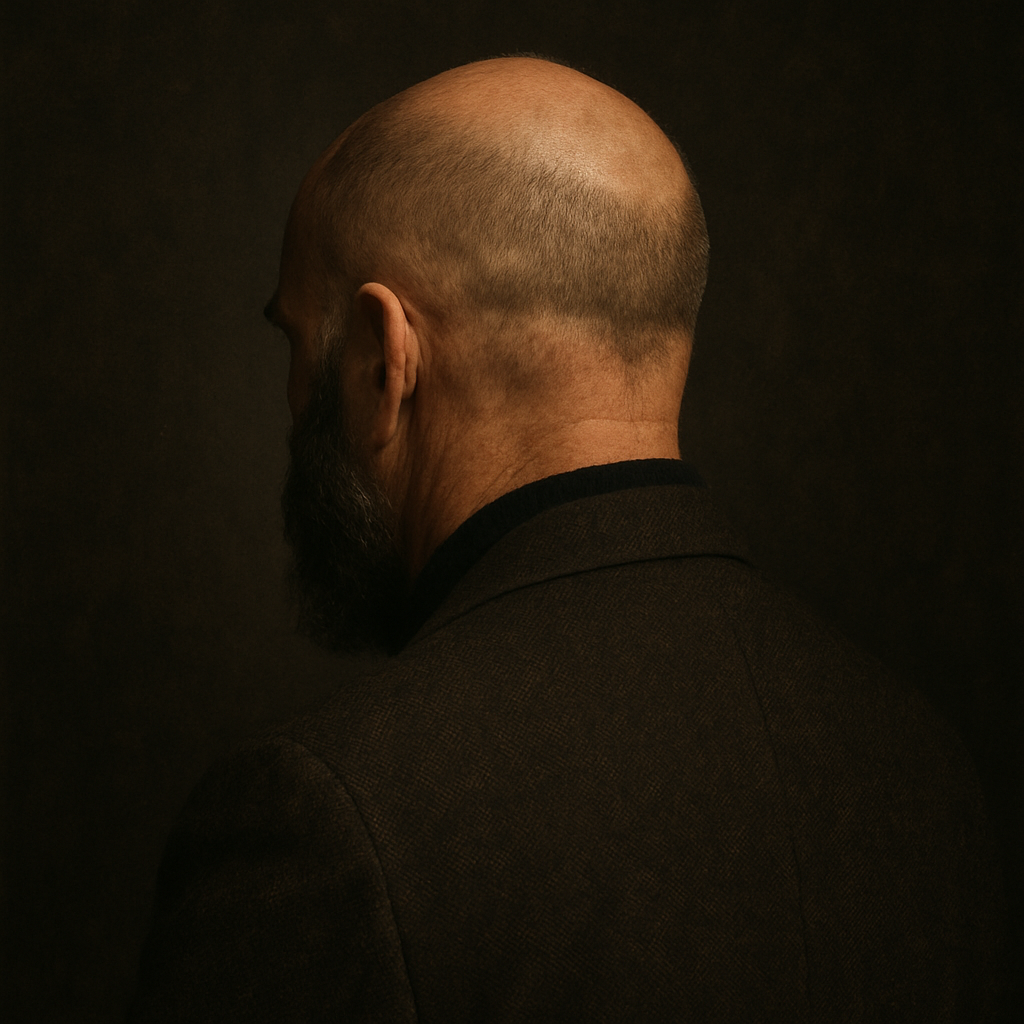
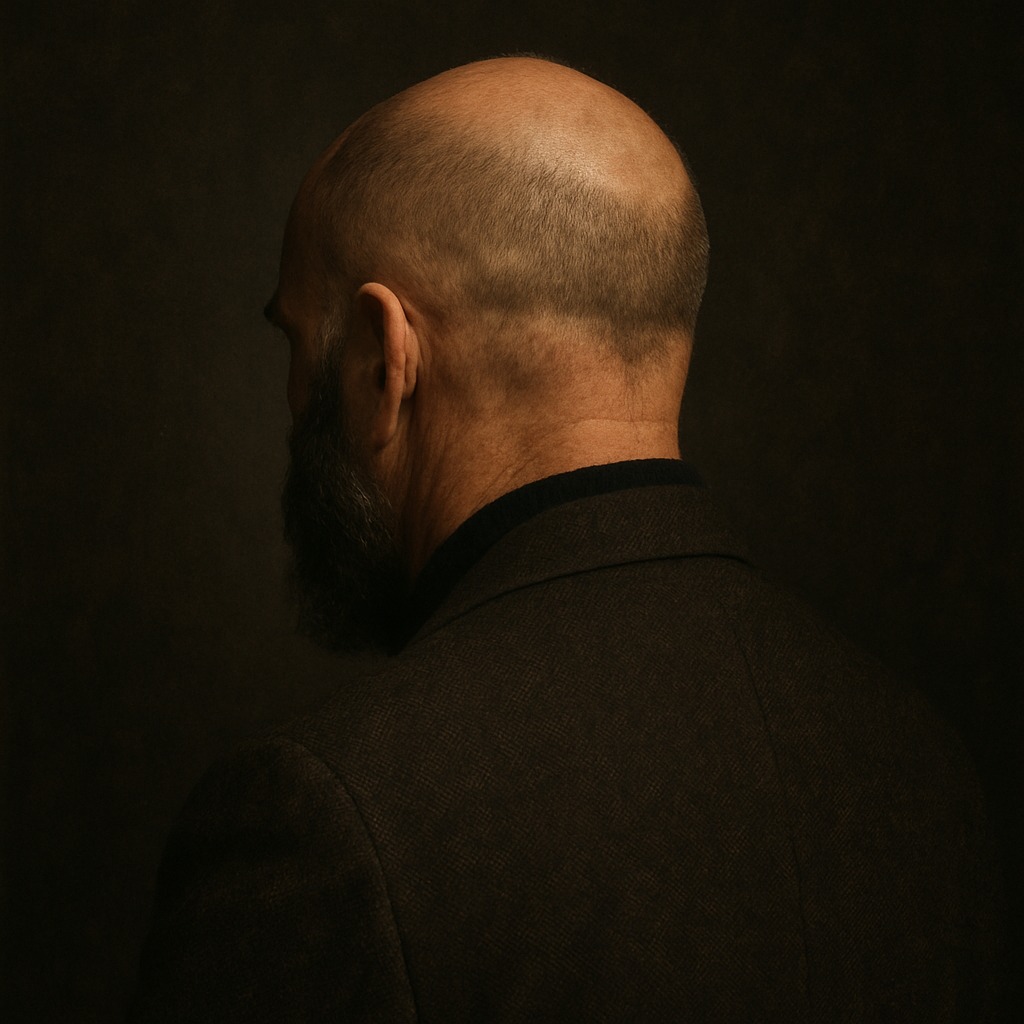
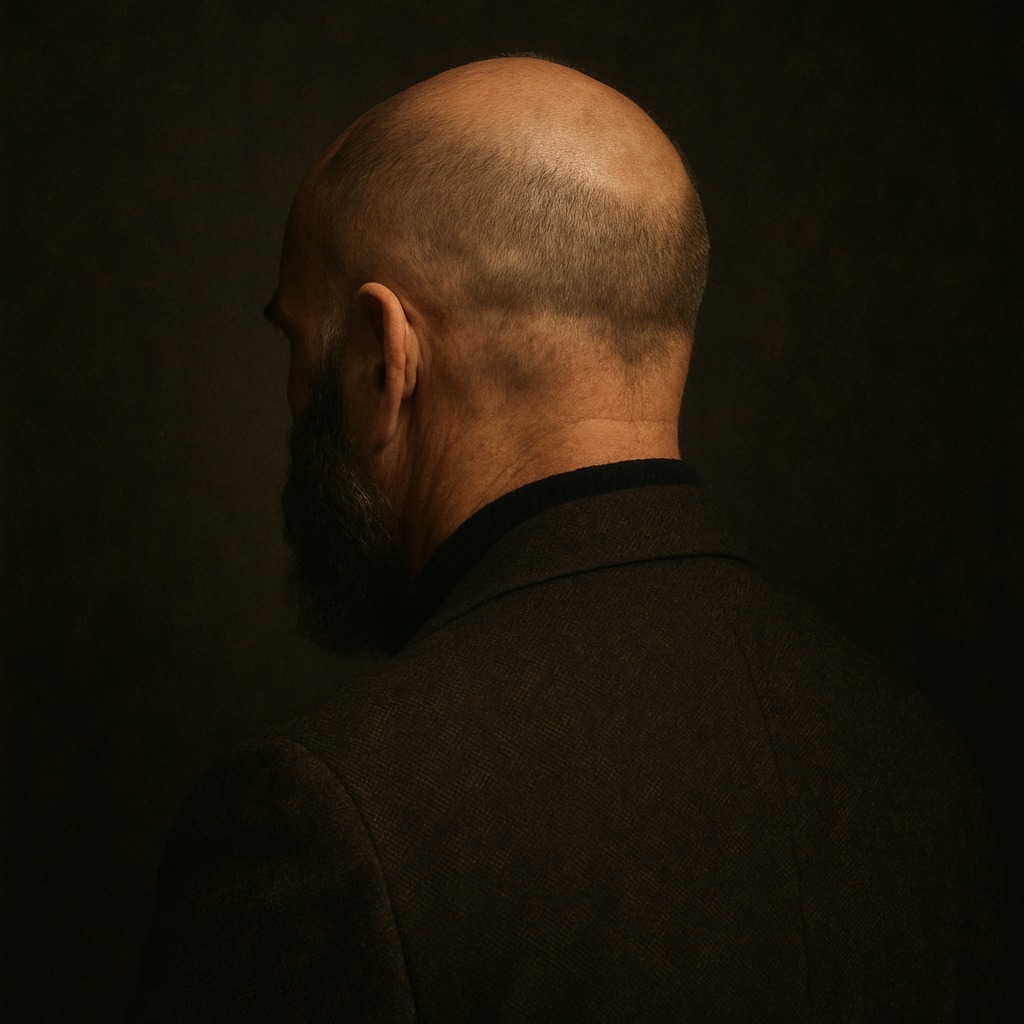
Feti Yıldız is not a “latecomer” but a nationalist raised in the movement — a core MHP figure. With the Kurdish peace process, he became the party’s most visible face after Devlet Bahçeli. At 71, he carries the aura of a character who stepped out of the classic Yeşilçam cinema of the 1970s, and onto the political stage — as if he came from there, yet without acting. He simply is who he is. Of course, he is not the lead role; that belongs to Bahçeli. But even if Yıldız looks like a character actor, his strength lies in being exactly what he appears to be. He is not one of those shapeshifting politicians. He steers clear of the MHP’s trademark overblown patriotic rhetoric. He avoids slogans. He usually answers journalists’ questions by staying within the framework of his profession — the law.
RESETTING MHP’S RELATIONS
With that genuine tone, Feti Yıldız seems to have also brought a long-overdue refresh to the MHP’s external relations. He appears to have introduced a new sense of normalcy in the party’s traditionally strained interactions with the media — and therefore with the public. The fact that Semih Yalçın, the party figure who served as MHP’s spokesperson for many years, and others with a similar style have been absent from the spotlight lately is very likely a result of what one might call “the Feti Yıldız effect.”
THE ONE WHO KNOWS AND UNDERSTANDS BAHÇELİ BEST
Had someone told Feti Yıldız a little over a year ago that he would be the MHP figure to meet PKK leader Abdullah Öcalan, he would have called it a nightmare. Yet he did go to İmralı as the MHP representative and met with Öcalan. In fact, he was one of the three names Bahçeli, 77, referred to when he said, “If no one goes, I will take three of my colleagues and go myself.”
Yıldız was not dealing in nightmares or dreams. He sat at a negotiation table — calmly and firmly — with the PKK, a group the MHP had long defined as the reason for its political existence and argued must be eliminated. His clarity likely stems from being the person who best understands what Bahçeli aims for in this process and where he wants it to lead. His confidence reflects this as well. Together with Bahçeli, he moves forward without being rattled by concerns of “what if the party loses votes?”
The peace process is now moving into the phase where legislative steps will be taken. Feti Yıldız openly states that, even if not a full amnesty, there should be releases from prison through changes to the execution law. He even says that Selahattin Demirtaş should be freed in line with the European Court of Human Rights ruling. So, to track how far this process will go — and to decode Bahçeli’s intentions — one must keep following Feti Yıldız.