More than a month after the fund collapse occurred, the shockwaves continue to rock the stock market. The crisis wiped out trillions of liras in corporate market capitalization and drove key valuation metrics to multi-year lows in Borsa Istanbul.
The benchmark BIST 100 index sank 15% below its 200-day moving average. This marks its weakest technical position relative to long-term averages since April 2020. According to data compiled by Garanti BBVA Research, only 20 out of 100 constituents in the index are currently trading above their 200-day average, a report by the Ekonomim newspaper showed.
The sell-off proved most acute within the IPO Index, which contains companies heavily held by liquidated fund portfolios. The index lost nearly 27% during October alone, stretching its 40-day decline to almost 54%.
ŞİMŞEK INTERVENES TO STEM OUTFLOWS
Meanwhile, seeking to calm fragile markets, Finance Minister Mehmet Şimşek made a public appearance on Oct. 20. He confirmed that redemption pressures have stabilized and outlined regulatory support for companies caught in the fallout.
'Outflows from investment funds halted as of Friday (Oct.16),' Şimşek told BloombergHT television, reassuring market participants that the liquidity shock has not triggered systemic risks within the banking sector. Şimşek signaled that the government is preparing credit guarantees: 'We are working on a financing package backed by the Credit Guarantee Fund (KGF) for companies with no connection to market manipulation.'
Şimşek also addressed clawback mechanisms targeting illicit gains, indicating that authorities will first target investors who accumulated real profits exceeding 10 million liras during the surge. Addressing recent regulatory steps by global index provider MSCI, Şimşek welcomed the decision to freeze index modifications, pledging that regulatory bodies will directly address transparency concerns raised by foreign institutions.
SHORT-TERM RELIEF, ONGOING RISKS
Market analysts interpreted the ministerial intervention as a vital short-term circuit breaker, though long-term recovery hinges on concrete policy implementation.
In an analysis by A1 Capital Research, Baki Atılal said that Şimşek's confirmation of halted fund outflows effectively broke a self-reinforcing liquidation loop. 'The market perceived the minister's statements as short-term relief alongside a clear message of medium-term discipline and restructuring,' Atılal said, adding that KGF support could restore access to credit for innocent firms.
However, Atılal cautioned that short-term uncertainty will persist for funds and low-free-float equities subject to ongoing administrative reviews.
Speaking on the broader market impact, Garanti BBVA CEO Mahmut Akten said that the contagion has been contained. 'When you look at the general picture, we can say that this is a very local issue from the perspective of foreign investors,' Akten said. 'So far, there has been no impact on the banking sector.'
FOREIGN INVESTORS STILL SELLING
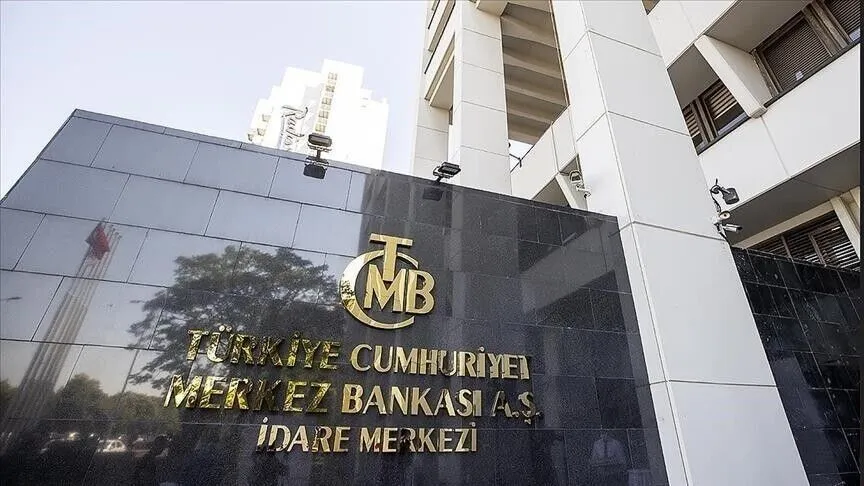
Foreign investors remained net sellers on Borsa Istanbul for a third consecutive week, shedding $88.8 million in equities during the week ending Oct. 16, according to Central Bank data.
The outflow follows a sharper $248.2 million stock exit the previous week, bringing total equity divestments over two weeks to $337 million. Foreign holdings in Turkish bonds also reversed course, recording $60 million in net sales after a brief $446 million buying surge the prior week. The sustained capital flight highlights persistent foreign anxiety amid lingering financial uncertainties surrounding the broader market.