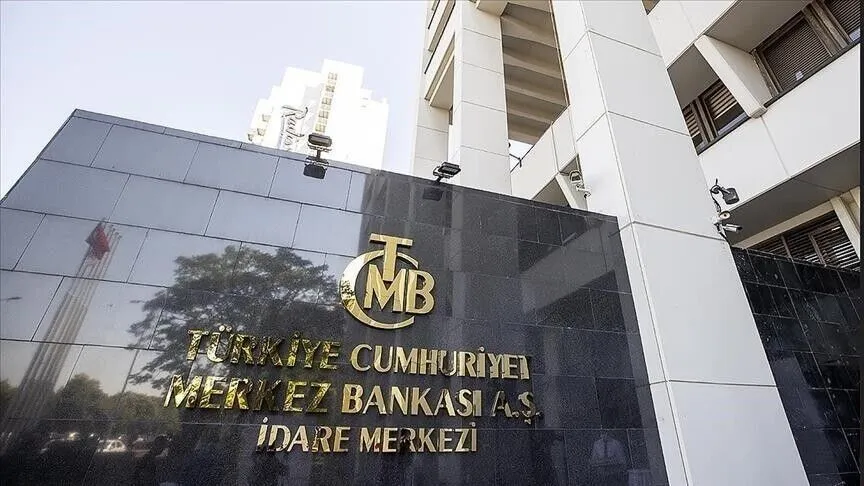
The EU’s draft “Made in Europe” proposal to support European producers of green technology excludes Turkey from “Europe” but allows the European Commission to determine which non-EU countries can be included in the scheme on a sectoral basis.
The Turkish business community is alarmed at the new rules aimed at strengthening European manufacturing against rising competition from China and the U.S., Turkey in Depth learned. Fearing this would create a new hurdle in Turkey’s trade with the EU, business leaders have been lobbying in Brussels, urging officials to consider Turkey as part of Europe.
Turkey in Depth has learned that President Recep Tayyip Erdoğan sent a letter to President of the European Commission Ursula von der Leyen regarding the decision.
Turkey has a customs union with the EU and remains a candidate to join the bloc. Yet past experience with Europe and strained relations with some EU member countries give enough reason for Turkish businesses to be suspicious that the “buy local” scheme may limit Turkey’s exports to the continent. (For more on trade asymmetries and Turkey’s exclusion, see this week’s Guest Voice.)
“The law will apply to public procurement, and this means 15 percent of the EU market. If Turkey is excluded, that would mean we will have no access to 15% of the EU market,” a Turkish businessman, who asked for anonymity, told Turkey in Depth.
France has championed the push, while Sweden and the Czech Republic warn that 'buy local' rules could drive up tender prices and undermine the bloc's competitiveness, according to Reuters.
TURKEY NOT SEEN AS “EUROPE”
Turkish lobbying in Brussels failed to get Turkey included in the definition of “Europe.”
According to the European Commission draft proposal seen by sources familiar with the issue, only European Free Trade Association (EFTA) countries, namely Iceland, Liechtenstein, Norway and Switzerland, are accepted within the definition of “Europe.”
However the draft proposal, which will be discussed on Jan. 28 requires the EU to respect its international obligations. Turkish business leaders believe the EU should consider the customs union with Turkey as part of its international obligations and thus avoid excluding Turkey.
Reuters reported that nine EU countries have earlier warned proposals “should not upset EU trade relations, given that deeper partnerships with like-minded countries are part of the EU's diversification strategy.”
In line with these warnings, the European Commission is given the authority to include non-EU countries within the “made in Europe scheme” on a product-based approach.
Should the draft be endorsed without changes, Turkish companies trading with Europe will have to lobby the European Commission.
Cengiz Eroldu, chairman of the Automotive Manufacturers Association (OSD), said Turkey is an integral part of Europe’s automotive supply chain, and added, “We will closely monitor the process starting on Jan. 28. It would be difficult for a European automotive industry to survive without Turkey.”
CARBON TAX ALSO SEEN AS UNFAIR
Another EU mechanism to protect its own manufacturers came into effect in January and is seen in Turkey as unfair.
The Carbon Border Adjustment Mechanism is a carbon tariff on imports of carbon-intensive goods such as steel, electricity and cement. It’s designed to prevent such manufacturing moving to areas with less stringent decarbonization legislation.
But Turkish exporters say they’re being forced to subsidize competitors within the EU. At a meeting on Jan. 16, Deputy Trade Minister Mustafa Tuzcu said Turkey is pushing the EU Commission to recognise that Turkish environmental regulations closely follow the EU’s own and should not be relegated to third country status.