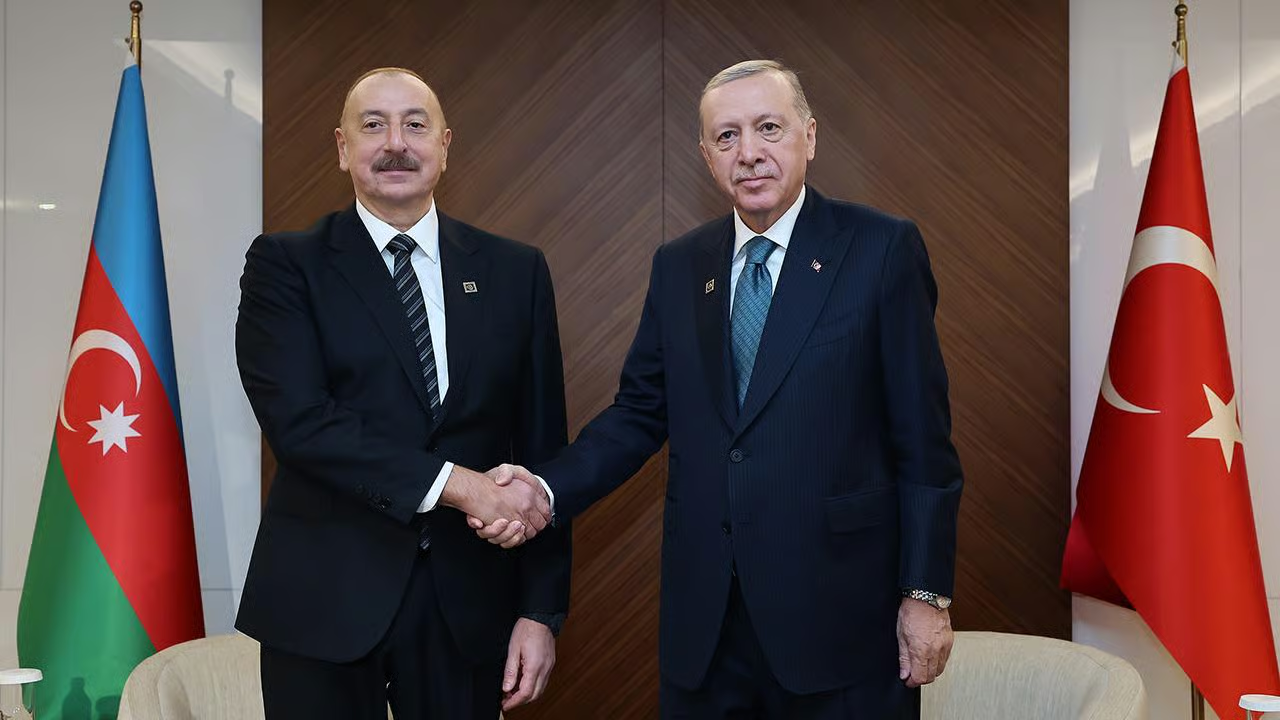
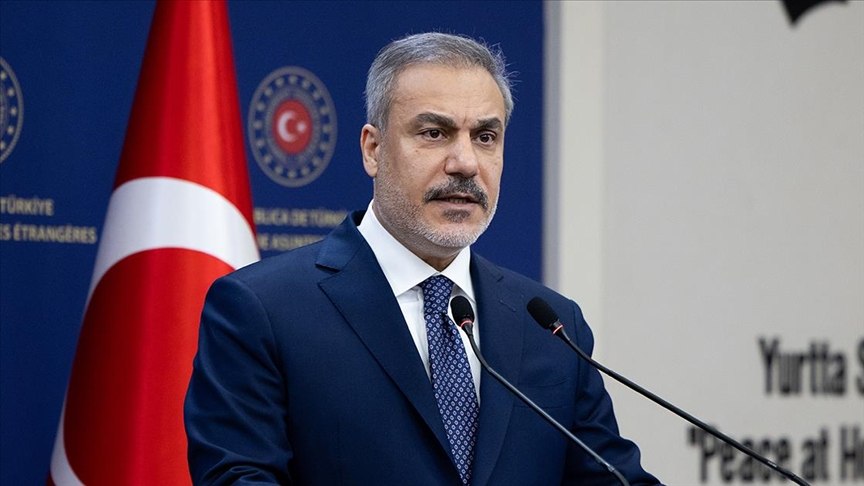
Turkey and Armenia appear closer to normalization, with the launch of direct flights by Turkish Airlines and plans to open border gates.
Armenian Prime Minister Nikol Pashinyan said he expects tangible progress “within a short period” on reopening long-closed land borders and increasing flights between Istanbul and Yerevan.
Speaking at the Polish Institute of International Affairs, Pashinyan shared his happiness, saying that talks between Yerevan and Ankara are moving in a very positive direction and suggested a breakthrough could come soon.
The border has been closed since 1993. Reopening it is widely seen as the major step toward normalizing relations.
Preparations are already underway on both sides. Armenia has completed renovations at the Margara checkpoint, while Turkey is modernizing the Alican Border Gate in Iğdır province. The crossing was briefly used last year to transport earthquake relief supplies, but Turkish officials say upgrades are now progressing quickly. Iğdır Governor Fırat Taşolar recently inspected the site, where teams are finalizing buildings and transit routes.
Pashinyan also said Armenia is prepared to facilitate cargo transit between Turkey and Azerbaijan, signaling a broader regional dimension to the talks.
AIR TRAVEL TO IMPROVE
Air travel has become the most visible sign of the thaw.
Although the charter flights started at the beginning of 2000s when Bülent Ecevit was the prime minister, the carrier Pegasus Airlines already operates flights between Istanbul and Yerevan. Now, Turkey’s state-owned flagship carrier, Turkish Airlines, is preparing to launch its own Istanbul–Yerevan route on March 11, 2026.
According to retired ambassador Serdar Kılıç, Turkey’s special envoy for normalization, the airline will begin with daily flights and increase frequency to 14 per week by mid-June.
Armenian officials are also in discussions with Turkish Airlines about a possible direct route between Yerevan and Los Angeles, home to one of the largest Armenian diaspora communities. Lusine Gevorgyan, head of Armenia’s Tourism Committee, said Turkish Airlines has the capacity to operate such long-haul service, calling it “one of the world’s three most powerful airlines.”
AGREEMENT ON DIRECT LAND TRADE
Another major pillar of the normalization process is the transition to direct land trade, ending decades of 're-exporting' through Georgia, ANKA news agency reported. Although the border remains physically closed, the two nations have agreed to allow goods to be documented with Armenia as the final destination. A Turkish Foreign Ministry official confirmed the move on Feb. 16, stating, “Formalities are being completed. Once they are finished, direct trade will begin. We evaluate this positively as a new step.”
Noyan Soyak, Vice Chairman of the Turkish-Armenian Business Development Council, said that this change would eliminate the 10-15% extra cost previously incurred by using Georgian intermediaries. “Turkish exporters or Armenian importers will keep that difference in their pockets, which will likely increase trade volume,” Soyak said. He added that while trade currently totals about $350 million, the ability to document direct sales will encourage producers in Turkey’s less-developed eastern provinces to engage in border trade.
Ankara has tied the bilateral steps to wider regional stability. Fuat Oktay, chair of the Turkish Parliament’s Foreign Affairs Commission, said growing economic links between Armenia and Azerbaijan — including direct oil trade — are contributing to a climate that supports normalization with Turkey. He made the remarks during a recent visit to Baku.
Momentum has been building since a December 2025 agreement to ease visa procedures for diplomatic, special and service passport holders. Both governments have reiterated their goal of achieving “full normalization” without preconditions — a significant shift after more than 30 years of closed borders and frozen ties.