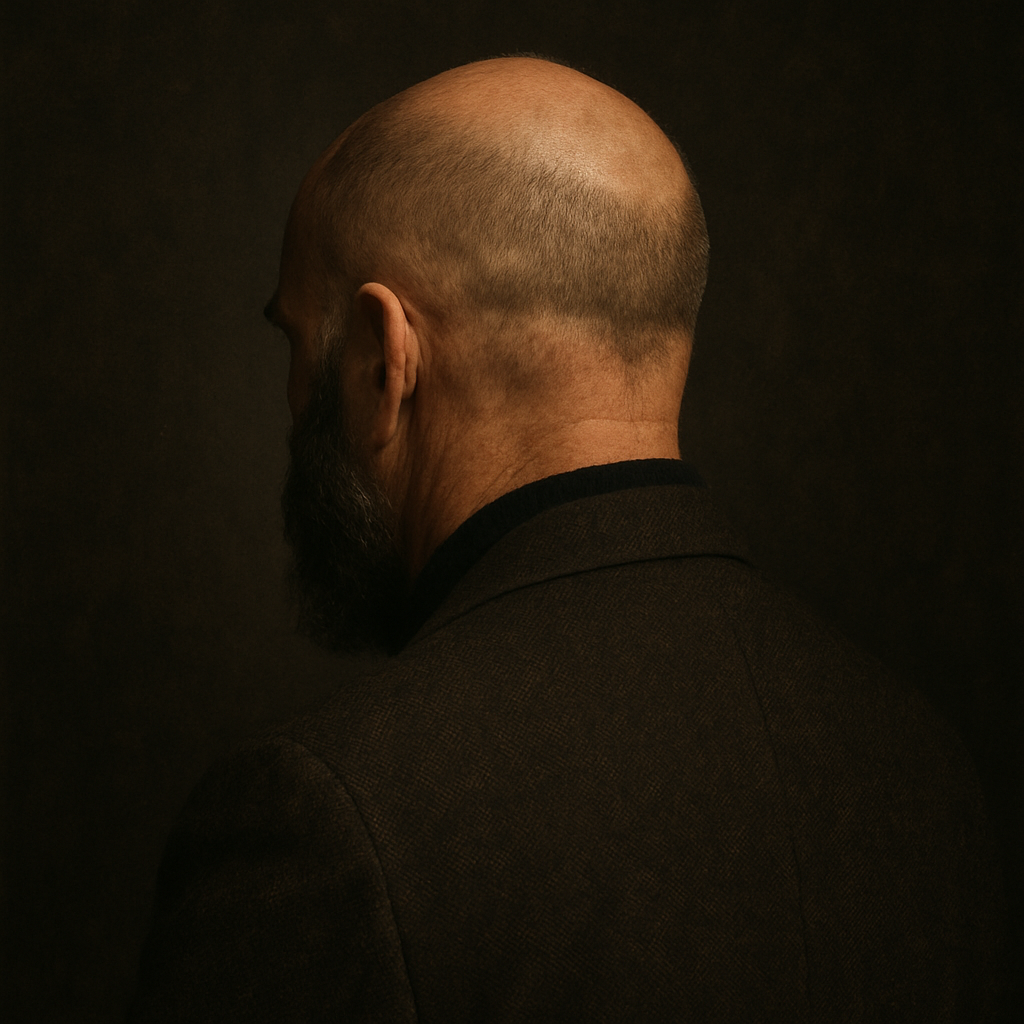
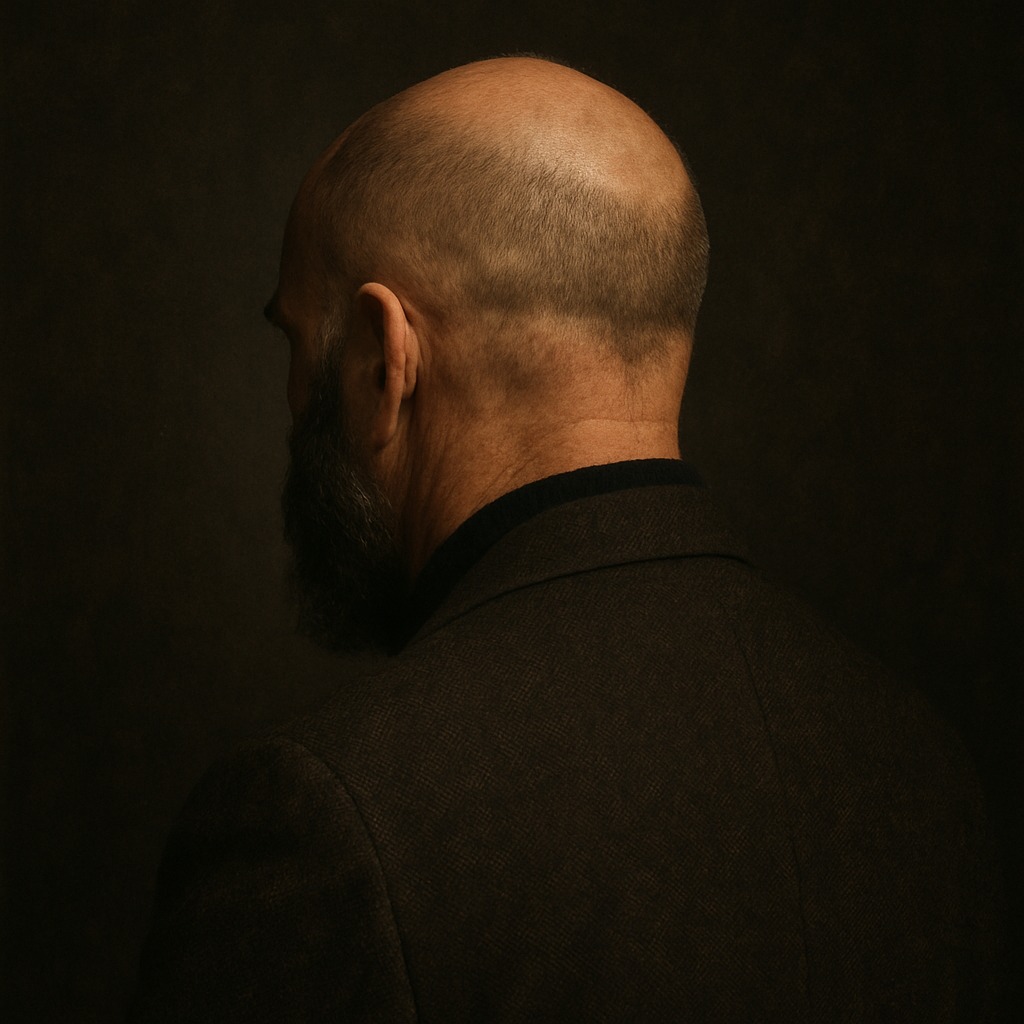
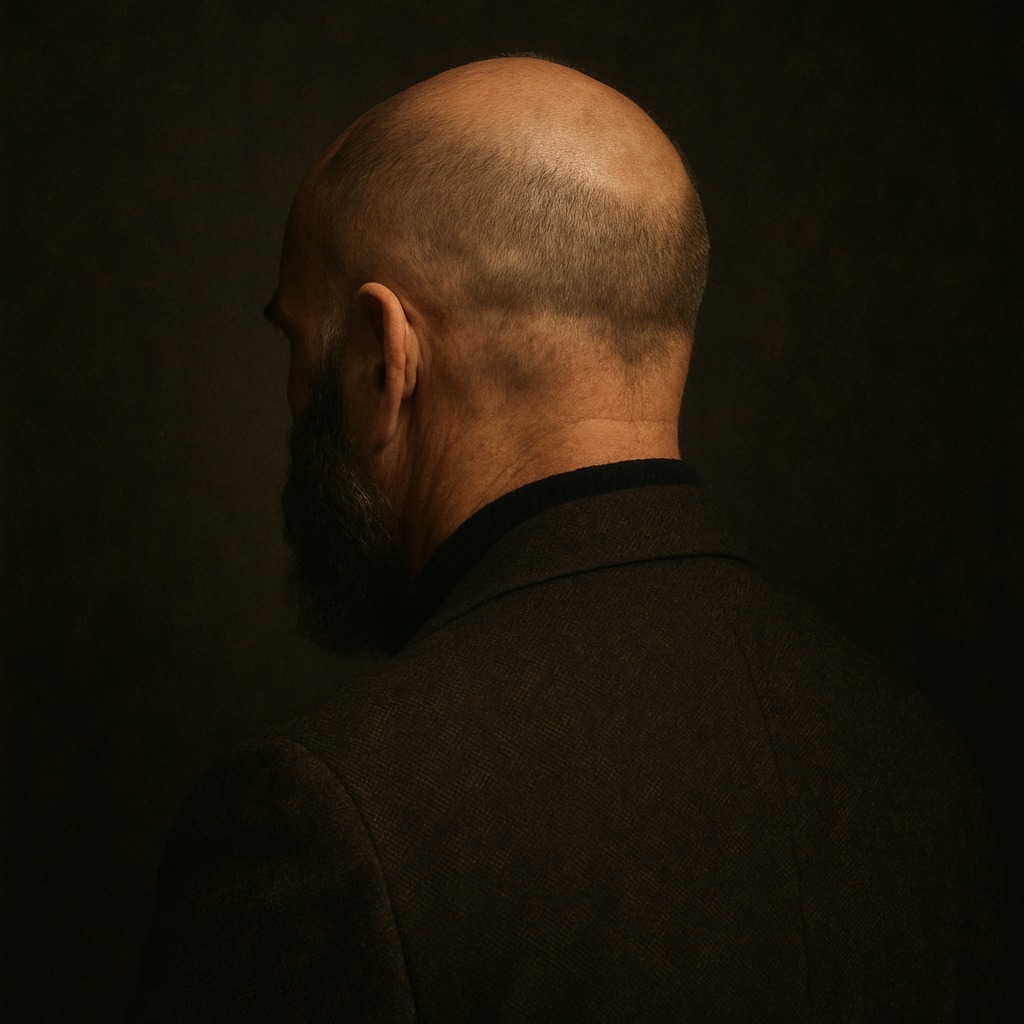
The great poet Nâzım Hikmet begins his epic poem The Epic of the War of Independence with the line, “We have seen fire and betrayal.” Ahmet Türk has stood at the very heart of politics for fifty years—right in the midst of what could only be called a political firestorm. What he has witnessed is a story of Turkey and the painful fortune of these lands.
It has been 52 years since he was first elected as a lawmaker in 1973. Since then, he has either served as an MP, a mayor—or he has been behind bars. When not holding office, his address has often been a prison cell. In the 1970s, when Türk was first elected, the PKK—which only recently announced its dissolution—was just beginning to form.
DİYARBAKIR PRISON
Ahmet Türk completed the 1970s as a CHP deputy.
After the 1980 military coup, he was imprisoned in Diyarbakır Prison—a facility infamous for brutal torture.
It would later be said that these tortures fueled the rise in armed resistance and PKK recruitment. Türk, too, suffered some of the most harrowing abuses there. Toward the late 1980s, with the CHP still banned, he was elected as an MP from the Social Democratic People’s Party (SHP).
A CROSSROADS
In 1990, Ahmet Türk and his colleagues officially founded their own legal party: the People’s Labor Party (HEP), which laid the foundations of today’s DEM Party. The 1990s were years of turmoil surrounding the Kurdish issue—and every wave of upheaval seemed to target Ahmet Türk first. In 1994, he and several colleagues were stripped of their parliamentary immunity and arrested. This time, he was imprisoned in Ulucanlar Prison in Ankara, now a museum. He served a full ten years.
On his release, he once again resumed political life—within a movement whose party names changed every time a new one opened after its predecessor was closed. After the 2016 coup attempt, he was jailed once more, this time in Silivri Prison. He was twice elected mayor of his hometown Mardin, and removed from office both times. Most recently, despite being suspended from his post, he took part in the İmralı Delegation—tasked with managing the process that led to the PKK’s dissolution.
A SYMBOL
Ahmet Türk is the most respected and symbolic figure of the Kurdish political movement.
He is the head of the Kanco family, often described as a tribal clan. His surname—“Türk,” meaning “Turk”—has often struck people as both ironic and meaningful. In fact, his father chose the name in 1934, when the Surname Law was enacted, to avoid complications due to their Kurdish identity. Whatever has happened in the context of the Kurdish issue in this country, Ahmet Türk has experienced it personally.
TO SMOKE THE PIPE OF PEACE
Though he has suffered chronic health problems for years, especially with his heart, he rarely speaks of them. We have never heard him make a personal request. I’m certain he has never uttered a sentence that begins with “I.”
Now in his eighties, Ahmet Türk still smokes. But these days, what would likely bring him the greatest joy is smoking the peace pipe, now that the possibility feels closer than ever.