INVISIBLE IN MUNICH, TURKEY FLEXES MUSCLE IN BALTIC
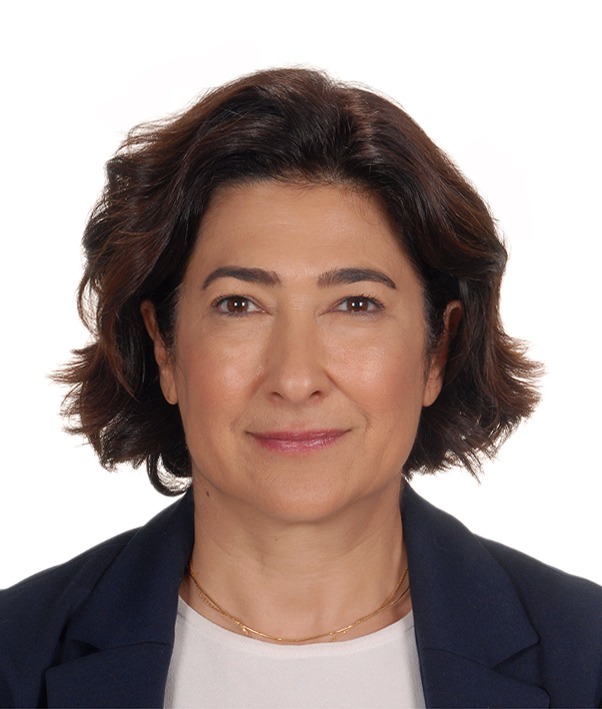
Photographs from two separate locations in Germany taken in mid February reveal the ambiguous and intriguing position of Turkey in Europe’s geostrategic landscape.
Analysis
Smart, independent reporting on Turkey's politics, economy and foreign affairs.
Photographs from two separate locations in Germany taken in mid February reveal the ambiguous and intriguing position of Turkey in Europe’s geostrategic landscape.
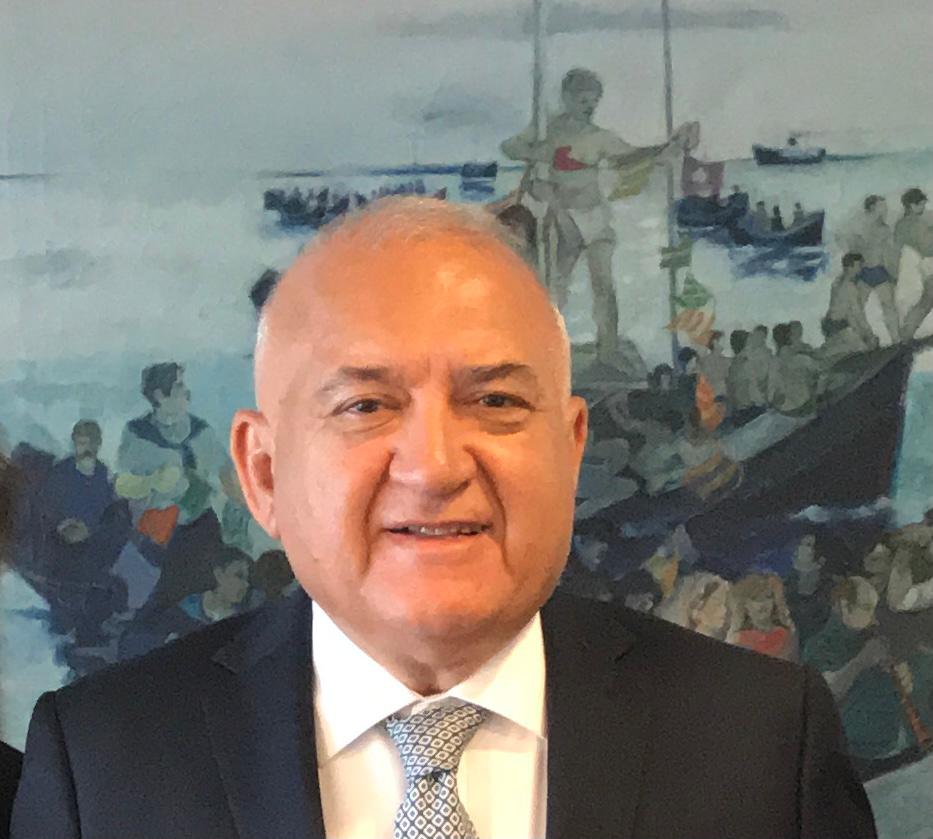
This year’s Munich Security Conference (MSC) held lively discussions on the global security environment, especially in Europe, and the collapse of the rules-based international order. Strained transatlantic relations, the Ukrainian War, and Iran, all burning matters for Turkey, were on the agenda. Figures such as Marco Rubio, Friedrich Merz, Emmanuel Macron, and Volodymyr Zelenskyy reached global audiences from the MSC. Turkey was not heard.
Adapted from the novel of the same name by Orhan Pamuk. “The Museum of Innocence.” A television series. With its release, months later, the public agenda shifted. Justice, legal troubles, and the deepening, ever more painful economic crisis were suddenly pushed aside. This series — along with the book of the same name and its author, Orhan Pamuk — took center stage, especially on social media.

President Recep Tayyip Erdoğıan’s decision to appoint Akın Gürlek, a bogeyman for the main opposition CHP, as justice minister is the clear indication of a more bruising domestic politics ahead. The first sign of that came during the oath ceremony in Parliament. For the first time, a minister took the oath of office amid scuffles that escalated into pushing and shoving. AKP lawmakers formed what opposition deputies described as a “human wall” to shield the podium.
Akın Gürlek, the prosecutor who has overseen several high-profile cases involving members of the CHP, became justice minister four days after European Commissioner for Enlargement Marta Kos visited Ankara.
Following the consensus between Syria’s interim government and the Syrian Democratic Forces (SDF), momentum has returned to Turkey’s long-running efforts to end the decades-long armed conflict and address the Kurdish question through political and legal channels. This renewed dynamic has also pushed the “right to hope” for PKK leader Abdullah Öcalan back to the center of the political agenda.
Efforts by conservative and right-wing parties to build a “third way” outside the ruling and main opposition blocs are gaining momentum, as Saadet Party and YRP — both rooted in Turkey’s first political Islamist tradition, the National View (Milli Görüş) shaped by Necmettin Erbakan — step up talks on election cooperation. The renewed contacts signal a shift in relations between the two parties, which had previously been at odds over the movement’s legacy following the founding of YRP in 2018. This time, the talks focus on bringing together Saadet Party, YRP, Gelecek Party and DEVA Party under a common framework, with a broader alliance that could also include the İYİ Party.
The expected has happened. The “new peace process,” now more than a year old, has fallen under the shadow of Syria. Map-altering clashes between the new Damascus government and the Syrian Democratic Forces (SDF), whose backbone is formed by Kurds, have driven a wedge between the AKP-MHP ruling bloc and the DEM Party in Turkey.
An investigation by the Istanbul Chief Public Prosecutor’s Office into alleged drug use and prostitution involving celebrities has widened to include Istanbul Municipality and its jailed mayor, Ekrem İmamoğlu, following media reports referring to secret hotel rooms, gambling, private parties and jet travel.
From Donald Trump’s perspective, he has just one interlocutor in Turkey: President Recep Tayyip Erdoğan. No criticism of the United States — no matter how harsh — coming from presidential advisors, the AKP spokesperson, the Foreign Ministry, or the MHP chair matters in the slightest to Trump.
A major arms fair in Istanbul exposed the tension between the Defense Ministry and the Presidency’s Secretariat of Defense Industries.
With inflation at 30.89% annually and 0.89% month‑on‑month in December, according to the Turkish Statistical Institute (TurkStat), the latest pension adjustments have ignited discontent among retirees. Most retired workers and tradespeople will receive only a 12.19% increase, while public servant retirees are slated for an 18.60% rise.