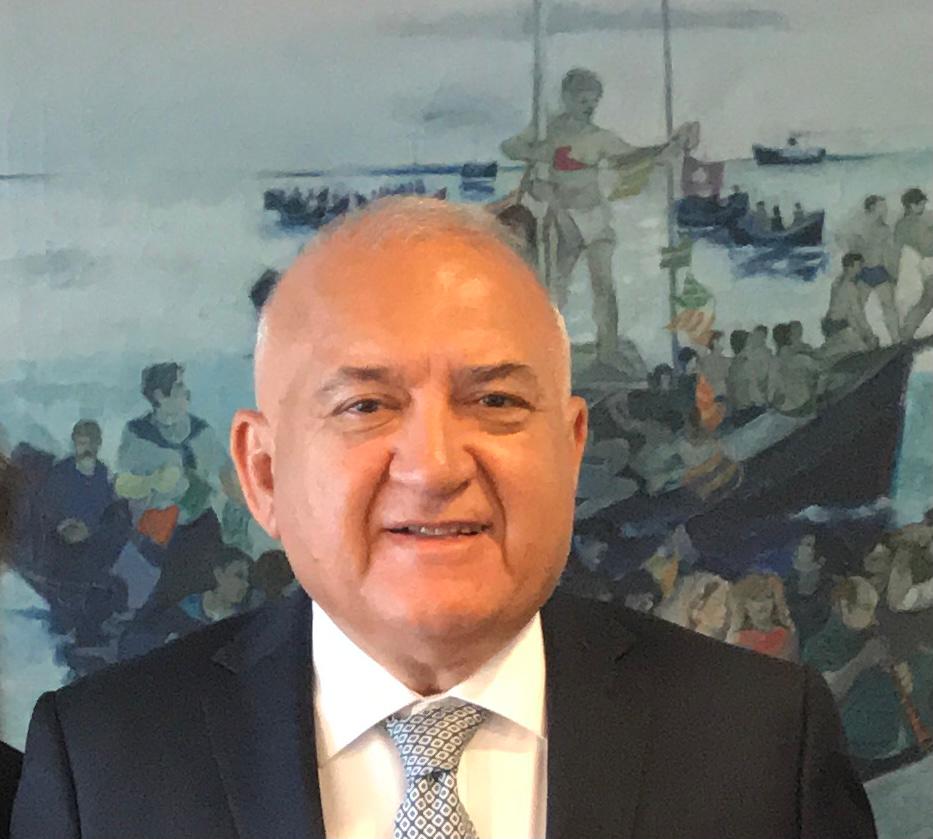
WHAT ANKARA DOES NOT PUT ON THE BROCHURE
A city’s cultural field does not stop at its administrative boundary. If Ankara reveals itself in layers, some of its most telling ones begin once the city has thinned into road, valley and plateau.
Analysis
Smart, independent reporting on Turkey's politics, economy and foreign affairs.
A city’s cultural field does not stop at its administrative boundary. If Ankara reveals itself in layers, some of its most telling ones begin once the city has thinned into road, valley and plateau.

The 34th day of the corruption trial targeting Istanbul Mayor Ekrem İmamoğlu and dozens of officials linked to the CHP and Istanbul Municipality saw the mayor in tears as he questioned a defendant — soon after he declared that the allegations in the indictment were collapsing one by one.
Fenerbahçe, Galatasaray, Beşiktaş. The three clubs that come to mind when one speaks of football in Turkey. They are also known as the “Big Three.” In fact, all three are Istanbul clubs. But they have histories stretching back nearly 120 years. They are the teams with the most league titles.
Imagine an organized crime network, protected and fed by political connections that it steadily expands.
The government decided not to increase the holiday bonus paid to retirees, despite rising inflation and growing public expectations. Instead, officials began studying alternative support models aimed at low-income pensioners.
The parliamentary commission established to prepare a roadmap for resolving the Kurdish issue, in line with the PKK’s decision to dissolve, has completed its six-and-a-half months of work. Attention has now shifted to how the ruling parties will time the legislative steps. The report falls short of defining the Kurdish issue or calling for education in Kurdish, but instead stresses the brotherhood between Turks and Kurds. Now questions remain about the timing of the legislative process. The first legislative steps are expected toward the summer rather than Newroz, and it is unclear whether all the legislative steps addressed in the report will be completed this year.
President Recep Tayyip Erdoğan opted not to attend the inaugural meeting of the U.S.-led Board of Peace in Washington — much like he previously declined to travel to Davos for the initiative’s launch — signaling a calibrated diplomatic balancing act. While Erdoğan is among the few leaders known to have a personal rapport with U.S. President Donald Trump, he refrained from participating in both events hosted by Trump. Instead, Foreign Minister Hakan Fidan represented Turkey on both occasions.
Economic hardship has long been measured through the humble simit -— the sesame-covered circular bread sometimes called the Turkish bagel. Now the ruling AKP is being accused of shrinking even that symbol. Once used by President Recep Tayyip Erdoğan to show that a family could not afford a single simit and tea with the minimum wage, the calculation has taken a new turn: a simit divided into three.
Head of the Defense Industries Presidency (SSB) Haluk Görgün refrained from announcing a total export target for the defense industry, instead outlining project-based goals for 2026.
As the Turkish peace process with Kurds enters a period of turbulence following shifting dynamics and territorial changes in Syria, MHP Chair Devlet Bahçeli, who initiated the process, has stepped up efforts to prevent it from unraveling even as rhetoric hardens between the ruling bloc and the DEM Party.
The CHP has unveiled its new shadow cabinet, touting it as the team that would govern Turkey if elected. However, the lineup has sparked backlash from left-wing critics over the dominance of business figures and center-right politicians occupying key posts. Despite advocating a return to the parliamentary system — where the executive is known as the Council of Ministers and members are elected, not appointed — the CHP has mirrored the presidential model by labeling its team a “cabinet” and appointing shadow cabinet members who are business figures active in the very sectors they oversee.
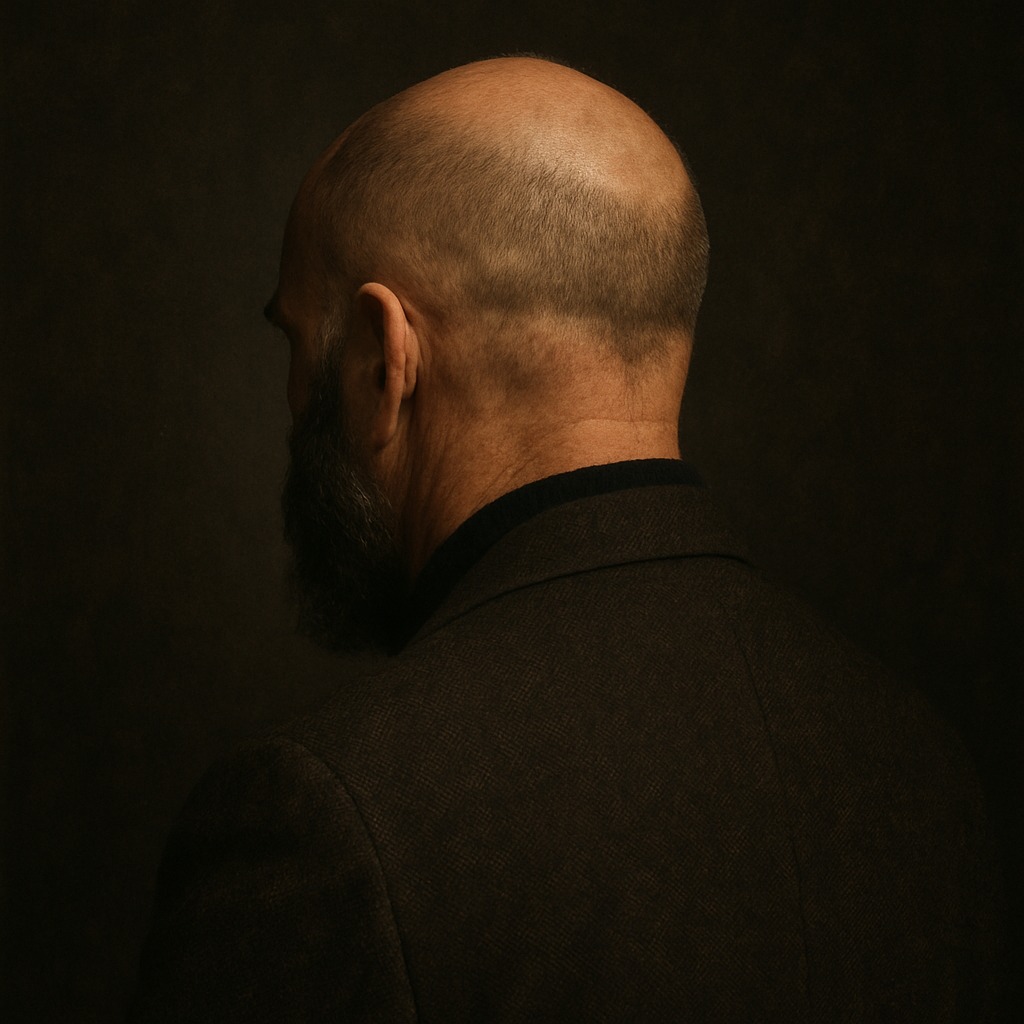
Furkan Karabay, 29, is a journalist and has been detained three times in the past two years. On the 201st day of his latest imprisonment, he was sentenced but released. He refused to present a defense, tearing up the indictment in the courtroom.