
TURKEY’S GREY LIST RISK FADES
Turkey is unlikely to return to the “grey list” of jurisdictions that don’t do enough to fight money laundering.
Analysis
Smart, independent reporting on Turkey's politics, economy and foreign affairs.
Turkey is unlikely to return to the “grey list” of jurisdictions that don’t do enough to fight money laundering.
Ebru Eroğlu, one of five lieutenants expelled from the Turkish Armed Forces (TAF) on the grounds of insubordination for raising their swords in the air and chanting the slogan “We are Mustafa Kemal’s soldiers” during the Military Academy’s swearing-in ceremony on August 30, 2024, lost the lawsuit to return to the military she filed against the Defense Ministry.
Let us begin with a very old and very familiar anecdote. The famous poet Yahya Kemal was once asked: “What do you like about Ankara?” His answer: “The return to Istanbul.” Mansur Yavaş thinks the exact opposite. Wherever he is, he wants to return to Ankara at the first opportunity, and he likes it when everything returns to Ankara. Not out of anxiety to make it to work on time. But because he is a man of the land. Because he is from Ankara.
There are mornings when you wake up and discover someone has quietly replaced your streaming subscriptions with a box of VHS tapes. The picture is grainy, the dialogue familiar, the plot depressingly simple: detention, indictment, polarisation, and non-functioning courts. Welcome back to the future, 1990s Turkey in the 21st century.
The CHP has unveiled its new shadow cabinet, touting it as the team that would govern Turkey if elected. However, the lineup has sparked backlash from left-wing critics over the dominance of business figures and center-right politicians occupying key posts. Despite advocating a return to the parliamentary system — where the executive is known as the Council of Ministers and members are elected, not appointed — the CHP has mirrored the presidential model by labeling its team a “cabinet” and appointing shadow cabinet members who are business figures active in the very sectors they oversee.
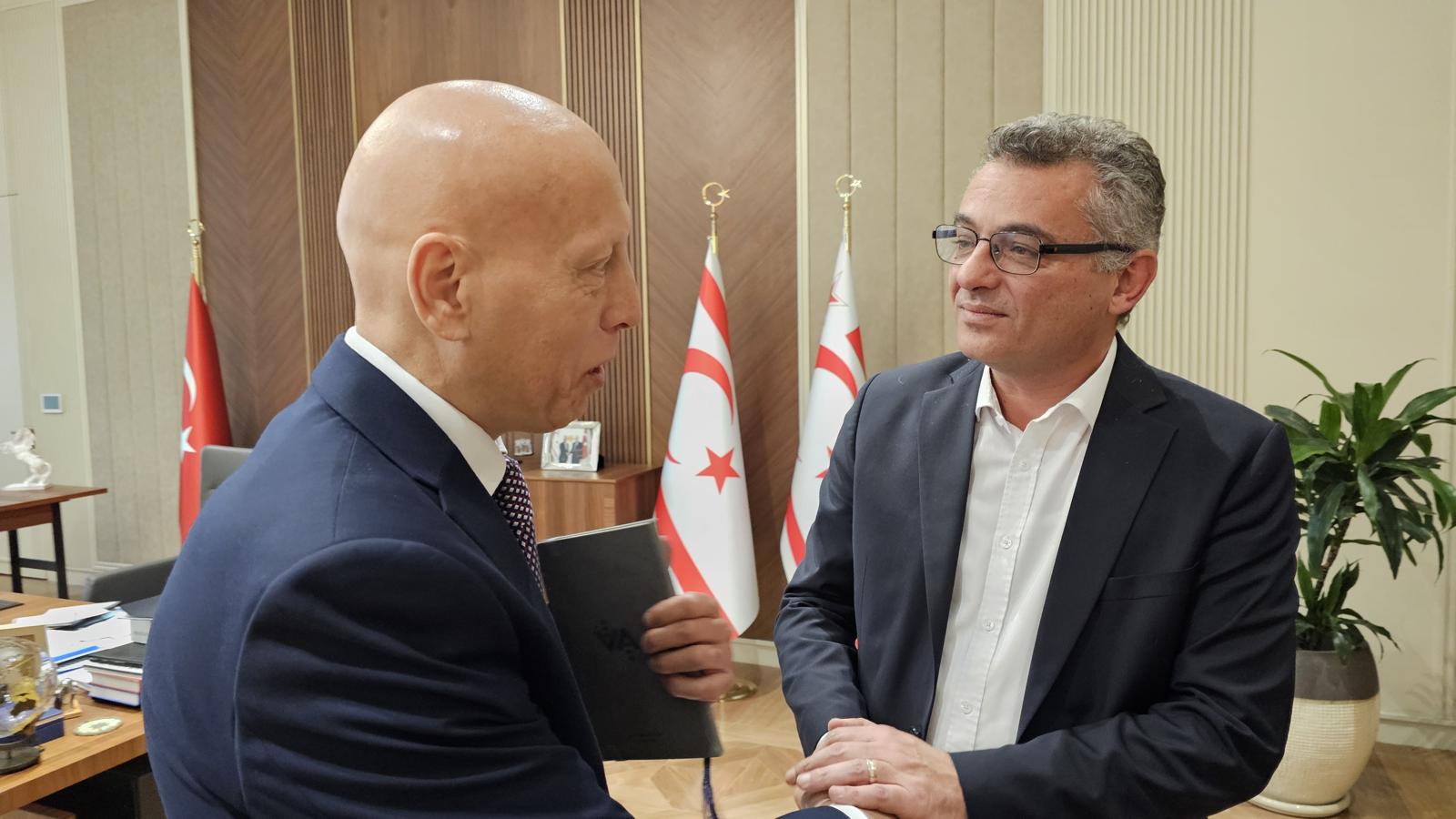
Tufan Erhürman, the newly elected president of Northern Cyprus, voiced guarded expectations ahead of his first trilateral meeting on Dec. 11 with Greek Cypriot figure Nikos Christodoulides and UN envoy María Ángela Holguín. Speaking to Turkish journalists, Erhürman said that shifting regional dynamics and a long record of unsuccessful rounds make a rapid return to substantive talks unrealistic — particularly without agreed-upon parameters.
You may ask, “Meral Akşener? Where did that come from?” It’s been a year and a half since she bid farewell to both the İYİ Party leadership and active politics. She has remained completely silent since. Yet, in recent days, an unexpected Akşener debate has been simmering—not in the headlines, but in İYİ Party circles. The discussion did not start with her; she has kept her silence. But when Esma Bekar—Akşener’s former chief of staff and perhaps the person closest to her—posted a message, the question suddenly arose: “Is Akşener returning?”
The three Turkish MPs, who joined the Freedom Flotilla in support of Gazans and were detained by Israel, arrived in Istanbul on Oct. 9 following the announcement of a ceasefire. The news was shared on social media by Foreign Ministry spokesperson Öncü Keçeli.
As the Turkish Parliament begins its new legislative year on Oct. 1, attention will center on MHP Chair Devlet Bahçeli—who launched the “Terror-Free Turkey” peace initiative a year ago—and on President Recep Tayyip Erdoğan’s remarks regarding its future. Following a 70-day recess, Parliament will convene with a special General Assembly session at 2:00 p.m. As usual, Erdoğan will deliver an opening address, though the CHP will boycott the ceremony in protest of recent mayoral arrests and crackdowns on municipalities. This year, the political spotlight will remain on post-PKK arrangements such as the “Return Home” law, the “right to hope,” and amendments to the penal code.
Tax inspections generated an additional 15 billion lira ($360 million) by targeting high earners who had not filed income tax returns.
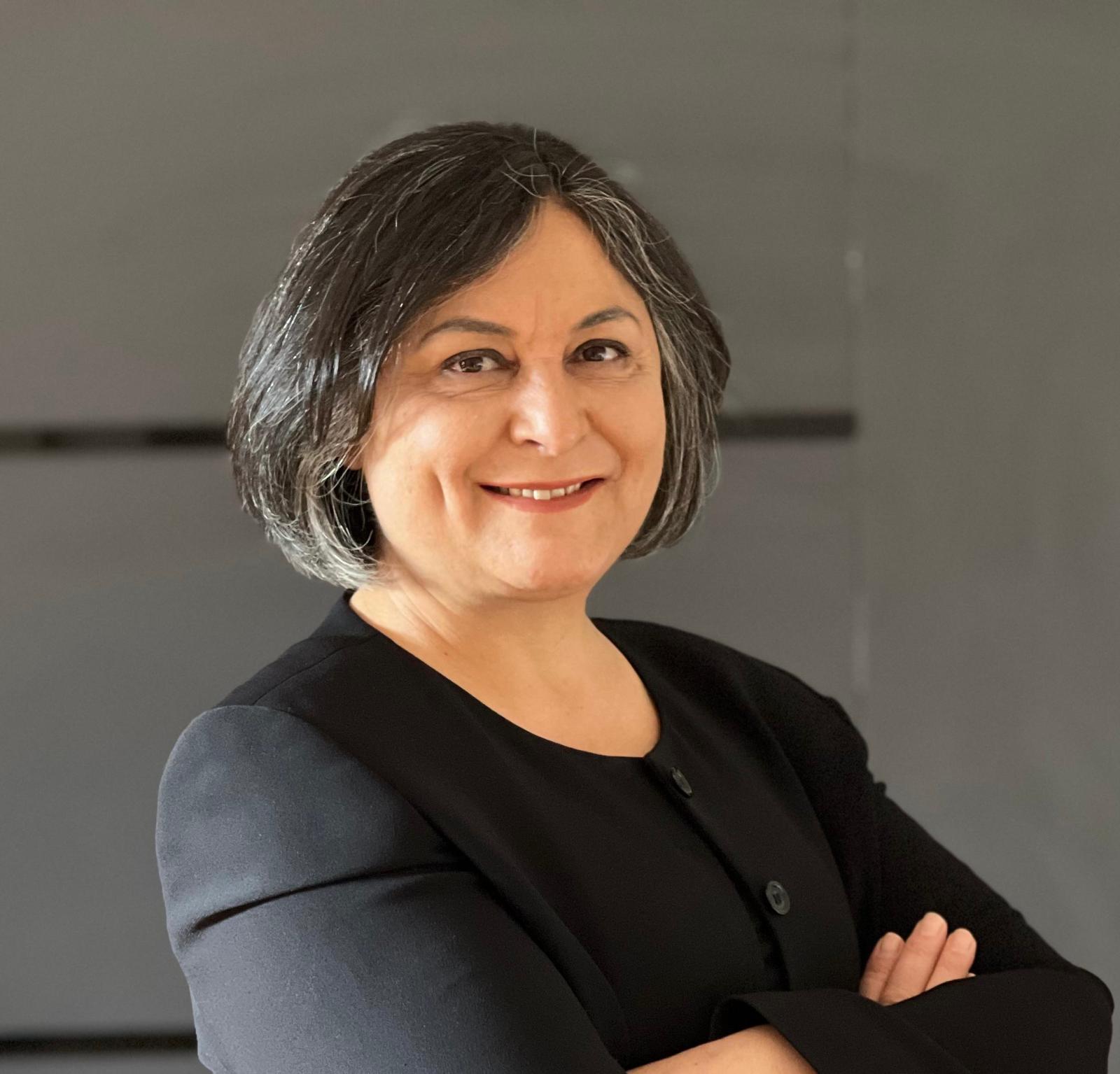
Following the PKK’s dissolution and decision to lay down arms, the Parliamentary Commission on Solidarity, Brotherhood and Democracy has completed 45 days of work. Having met 11 times, the commission will discuss a “Return Home Law” once parliament reopens on Oct. 1.
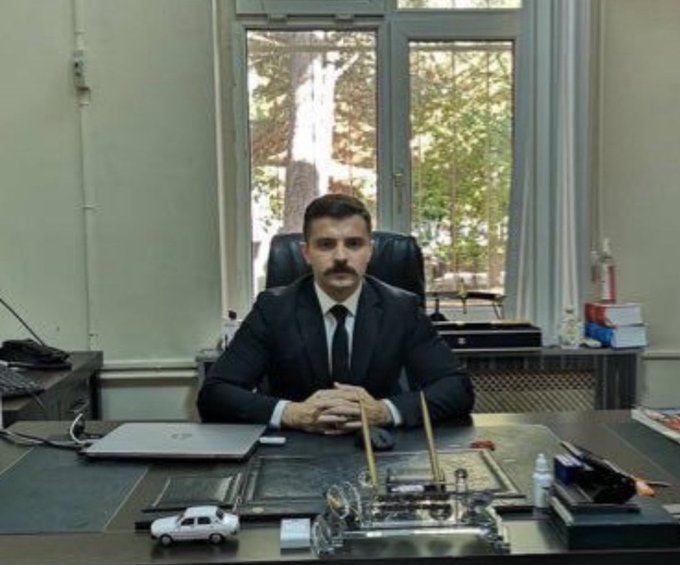
One of the prosecutors overseeing the case against Istanbul Mayor Ekrem İmamoğlu has come under fire after CHP Chair Özgür Özel revealed that the prosecutor displays a model of a Beyaz Toros—a car widely associated with disappearances and state violence in the 1990s. İmamoğlu, who has been held at Silivri Prison since his March 19 arrest, recounted the incident during an interview with journalist Ruşen Çakır of Medyascope as he visited the Istanbul Mayor in prison. İmamoğlu said the prosecutor, who took his testimony following the sweeping police operation, placed a symbolic image of the white Renault Toros on his desk and ended the interrogation by saying: “Tomorrow you become president, then you judge us.”