
THE SQUEEZE ON THE OPPOSITION IN FULL SWING: TRUSTEES, BANS, FINES, PRISON
Authorities have taken control of two of the country’s best-known opposition broadcasters in just five weeks, since the fund scandal broke in mid-September.
Analysis
Smart, independent reporting on Turkey's politics, economy and foreign affairs.
Authorities have taken control of two of the country’s best-known opposition broadcasters in just five weeks, since the fund scandal broke in mid-September.
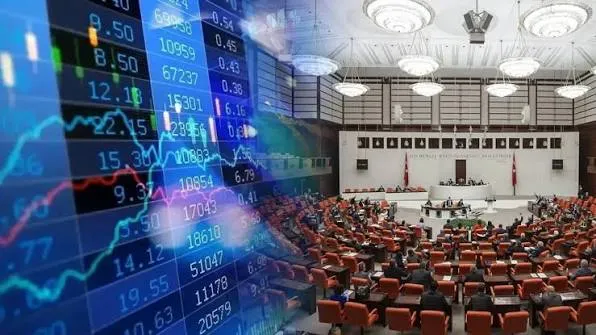
The government is overhauling capital market laws and widening financial probes following the massive investment fund scandal that has been at the top of the nation’s agenda for nearly two months.
Mehmet Uçum. A bureaucrat. A lawyer. Deputy chair of the Presidential Legal Policies Board. Chief adviser to President Recep Tayyip Erdoğan. He also served a term as a lawmaker. But for quite some time, Uçum has become best known for his remarks on when elections will be held. Almost as if he were the chief adviser in charge of the election calendar.
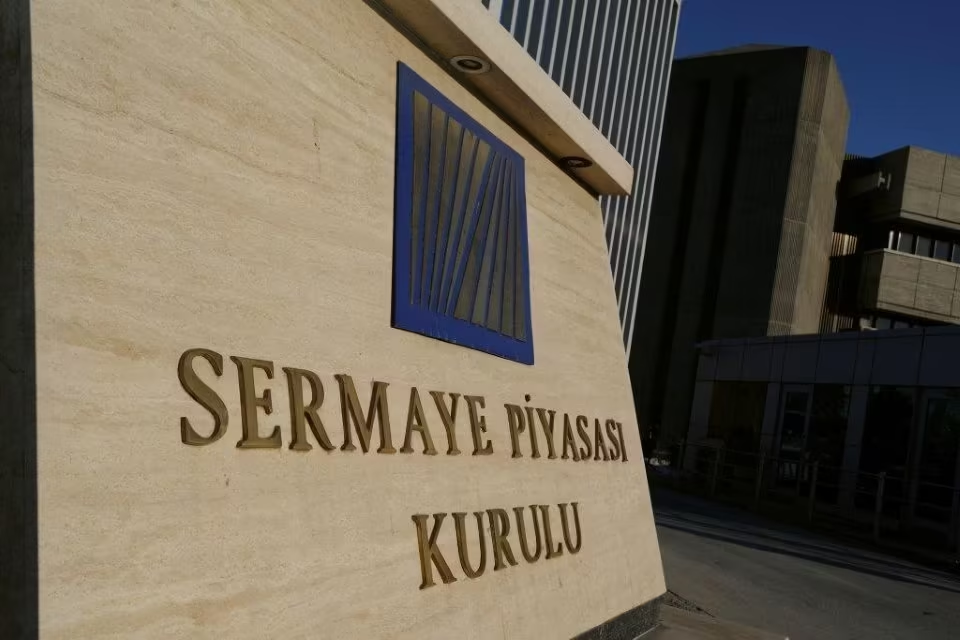
With the investment fund scandal still unfolding, a new allegation has come to light: companies were asked for bribes to secure approval from the Capital Markets Board (SPK) to go public.
We’ve borrowed our headline “The Name of Sarıgül” from “The Name of the Rose,” the best-selling novel by Italian writer Umberto Eco.

Fresh waves of judicial probes and detentions targeting opposition-led municipalities across Turkey are reshaping the country's local political landscape.
For nearly half a million retail investors caught in Turkey’s worst financial storm in years, compensation has finally begun to flow. But the first cash distributions came as the fallout spread beyond Turkey’s borders: global index provider MSCI froze index changes for Turkish equities on Oct. 15 and warned of a possible downgrade, while prosecutors broadened their probes and lawmakers scrambled to pass emergency legislation.
Nasreddin Hoca, the wise and witty Turkish folk hero, once arrived at a dinner in his ordinary clothes and discovered that nobody thought him worth much attention. He went home, put on his finest fur coat and returned. This time he was welcomed warmly, seated at the table and offered the best food. So Hoca began dipping the sleeve of his coat into the dishes.
The trial of Istanbul Mayor Ekrem İmamoğlu on corruption charges began on March 9, with the main defendant’s plans to challenge the legitimacy of the trial muzzled by the court and the media. After waiting nearly a year, İmamoğlu and 402 co-defendants — 107 of whom are under pre-trial detention — finally got their day in court. The hearings began with a confrontation between the court and İmamoğlu over his desire to make his case. He was allowed to deliver only a short statement on the second day and may have to wait at least until mid-April — in the best-case scenario — to present his full defense.
In Old Turkic, tegin was the stuff of inscriptions and dynasties, carved into the 8th-century Orkhon Inscriptions beside names like Kül Tegin. It meant prince, heir, royal son. However, Mahmud al-Kaşgarî, the first lexicographer of the Turkish language, reminds us that these gilded offspring referred to themselves as “kul,” or servant, when addressing their father in a ritual display of humility, claiming that “tekin” meant “humble servant.”
Diplomacy, at its best, is the art of managing appearances. At its worst, it is the art of mistaking those appearances for reality.
“Israel can claim it is a democracy … but in this region, whether you like it or not, what has worked best is a benevolent monarchy,” said Tom Barrack, speaking at the Doha Forum in the first week of December.