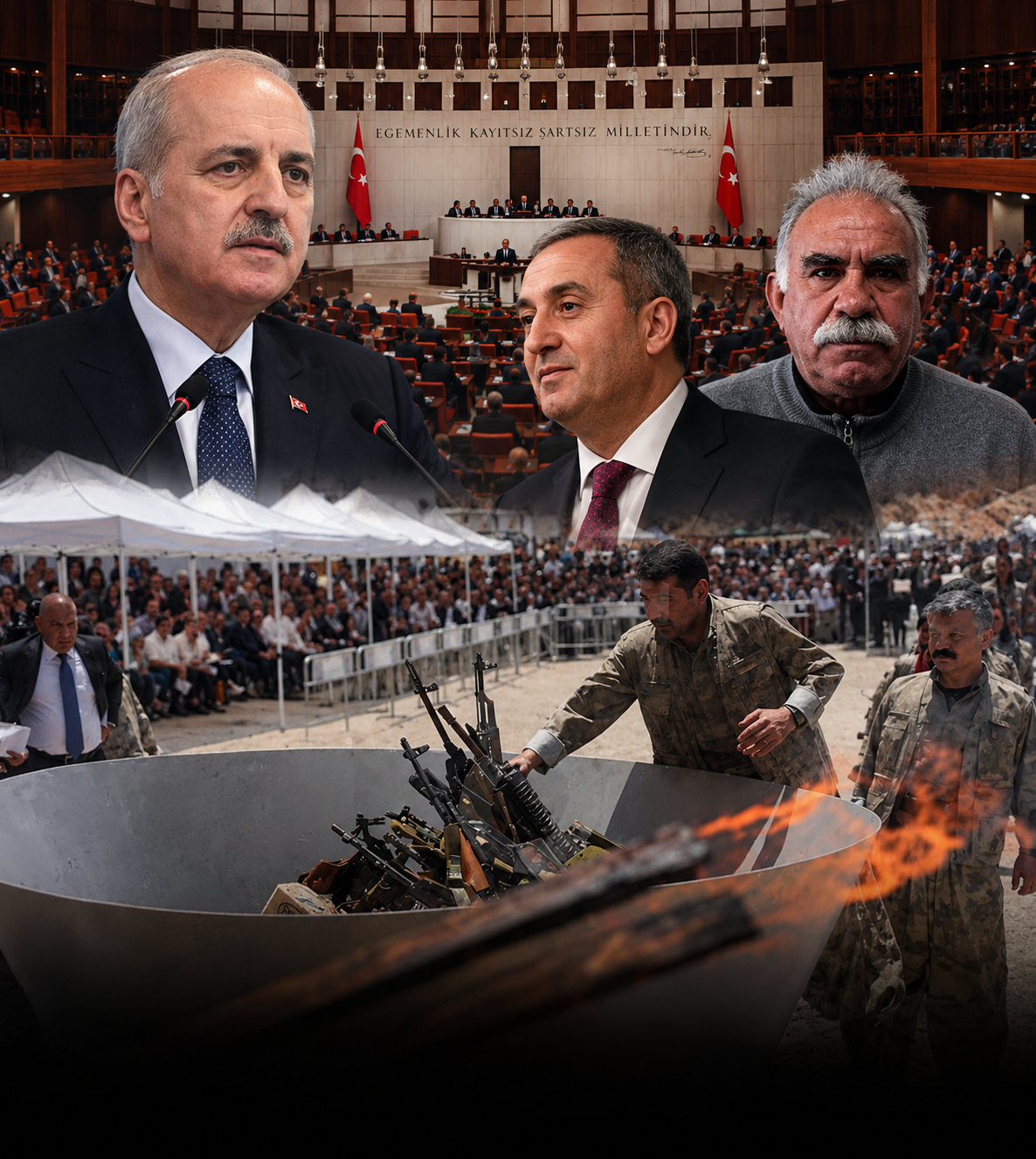
PEACE PROCESS STALLS AGAIN
The parliament has not established a commission to monitor progress on the surrender of weapons and personnel by the Kurdistan Workers’ Party or PKK, and Kurdish groups are complaining the process is stalled.
Analysis
Smart, independent reporting on Turkey's politics, economy and foreign affairs.
The parliament has not established a commission to monitor progress on the surrender of weapons and personnel by the Kurdistan Workers’ Party or PKK, and Kurdish groups are complaining the process is stalled.

The pro-Kurdish DEM Party has called for the peace process law to be freed from the “tutelage” of the National Security Council (MGK), as a delayed council decision holds up implementation.
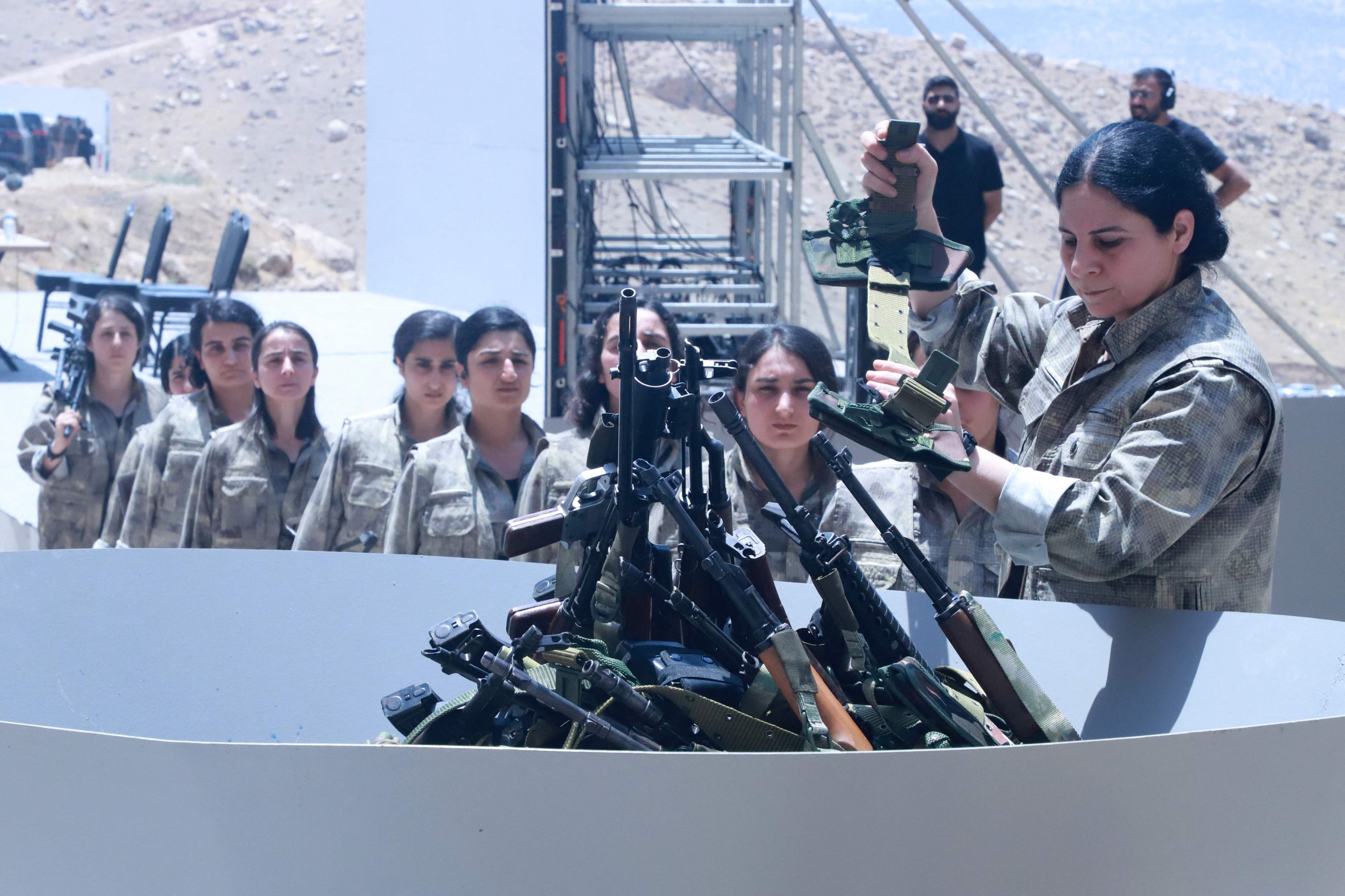
With the start of the new legislative year on Oct. 1, the main agenda will be the ongoing peace process concerning the Kurdish issue, which faces gridlock about the timing of demands over disarmament, legal guarantees, and the official status of jailed PKK leader Abdullah Öcalan.
Kurdish politics is preparing for a major structural overhaul as Turkey is expected to move forward with its peace initiative, referred to by the government as the 'Terror-Free Turkey' process.
The government and DEM Party disagree over how fast Turkey's Kurdish peace process should move, with AKP officials predicting the effort will extend into the new year while DEM Party, which will hold its congress Sept. 6, is pushing for results within a shorter timeline.
Following the framework law's acceptance by a high vote of 467 in parliament — legislation expected to end a half-century-long conflict in relation to the Kurdish issue— now eyes are on the next steps the government will take.
The İYİ Party was the only party to vote as a bloc against the framework law on the Kurdish peace process. Its instincts on the nationalist right are already well known. But before turning to the party, it is worth dwelling for a moment on its chair. Let us begin with his name: Müsavat.
Syrian Foreign Minister Asaad Hassan Sheibani held separate talks in Ankara with Turkish Foreign Minister Hakan Fidan and National Intelligence Organization (MİT) Chief İbrahim Kalın, focusing heavily on regional security and the integration of Kurdish armed groups into Damascus’ central authority.
Although the Yeni Party did not sign the framework bill designed to advance the Kurdish peace process, some of its MPs are expected to support the law in the General Assembly, since some of its MPs contributed to the commission in the parliament under the CHP banner.
The framework bill that will advance the Kurdish peace process through the return of militants has reached its final stage, but its content was withheld from all parties, including the DEM Party, until the last moment.
Amid the noise and turmoil within the CHP, it did not attract much public attention, but traffic around the Kurdish Peace Process has intensified in recent days. A DEM delegation traveled to İmralı and returned with a message from Abdullah Öcalan.
The DEM Party is intensifying pressure on the AKP/MHP ruling alliance to pass the framework law underpinning Turkey's Kurdish peace process before parliament enters for its summer recess — even as the party struggles to extract details of the draft from the AKP. The push has produced a flurry of contacts. İmralı Delegation members Pervin Buldan and Mithat Sancar, together with Faik Özgür Erol, met AKP Deputy Chair Efkan Ala and AKP Group Chair Abdullah Güler on July 15, and MHP Chair Devlet Bahçeli at his office in parliament the following day. Asked about the talks, Buldan declined to elaborate: 'We will not give information on the content.'