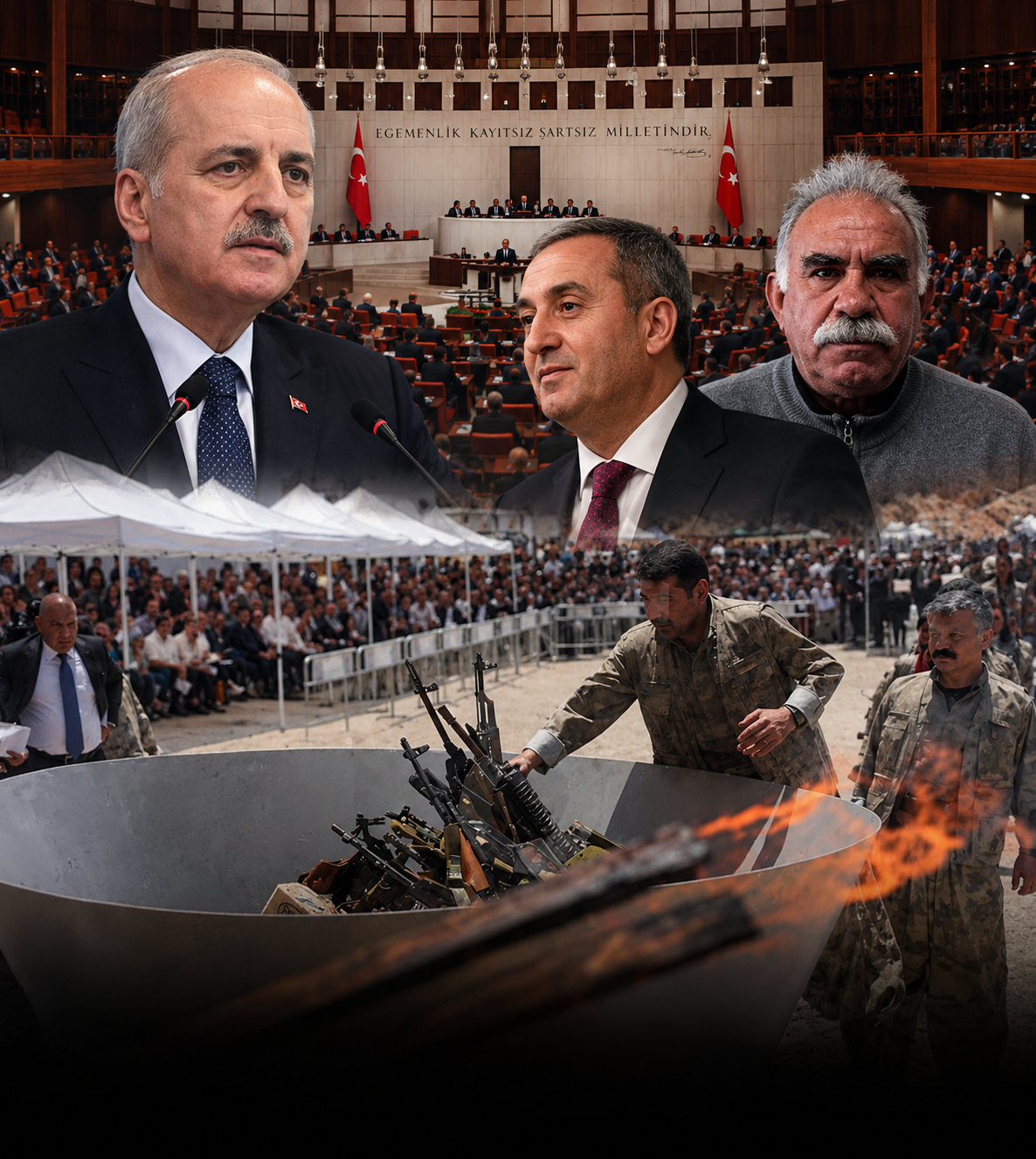
PEACE PROCESS STALLS AGAIN
The parliament has not established a commission to monitor progress on the surrender of weapons and personnel by the Kurdistan Workers’ Party or PKK, and Kurdish groups are complaining the process is stalled.
Analysis
Smart, independent reporting on Turkey's politics, economy and foreign affairs.
The parliament has not established a commission to monitor progress on the surrender of weapons and personnel by the Kurdistan Workers’ Party or PKK, and Kurdish groups are complaining the process is stalled.

The pro-Kurdish DEM Party has called for the peace process law to be freed from the “tutelage” of the National Security Council (MGK), as a delayed council decision holds up implementation.
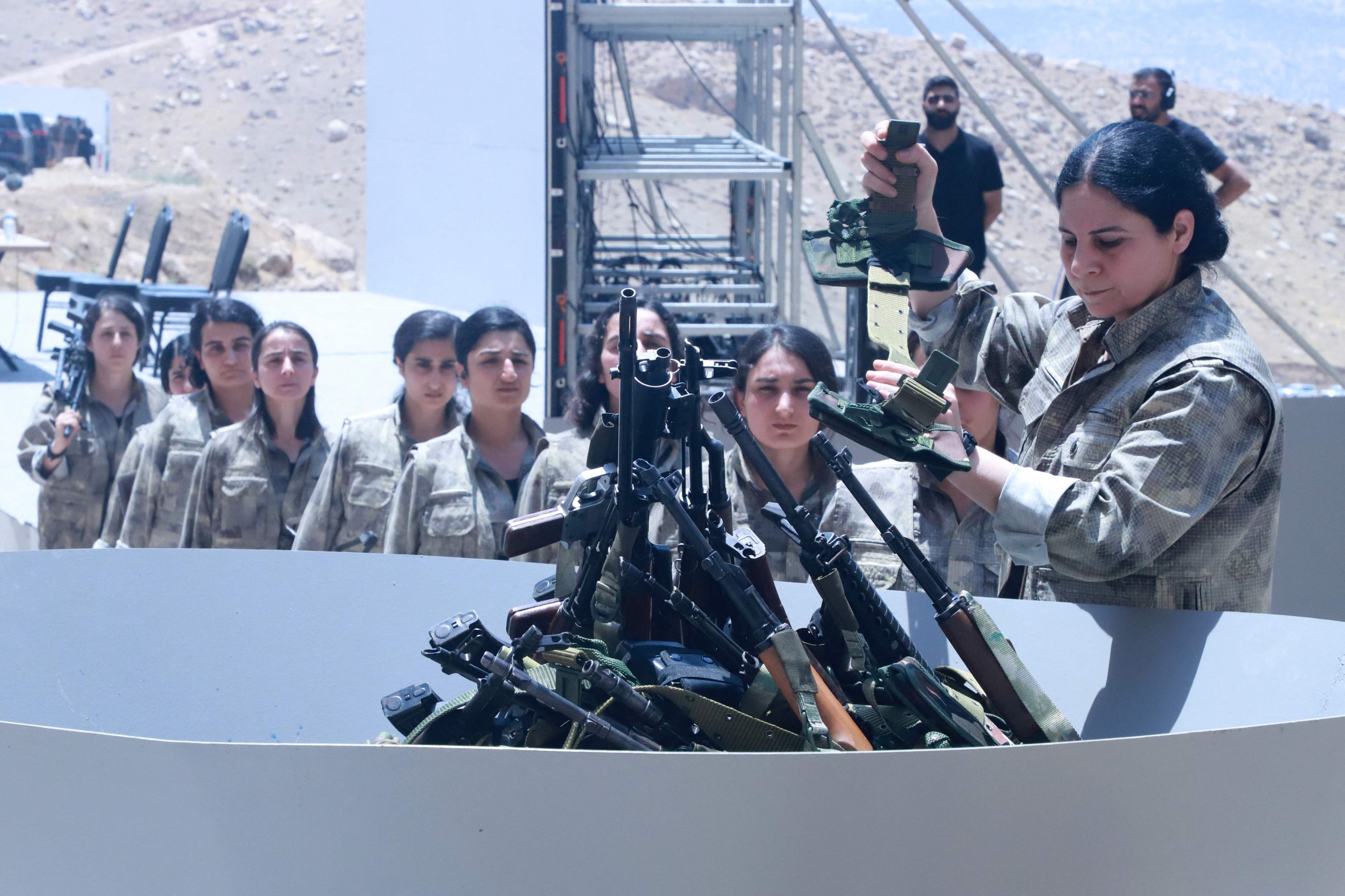
With the start of the new legislative year on Oct. 1, the main agenda will be the ongoing peace process concerning the Kurdish issue, which faces gridlock about the timing of demands over disarmament, legal guarantees, and the official status of jailed PKK leader Abdullah Öcalan.
Uçum said the role assigned to Öcalan should not be interpreted differently, and that the residence built for him on İmralı Island is an additional unit attached to the prison, after the reactions on the construction of a villa announced by MHP Chair Devlet Bahçeli.

In Stanley Kubrick’s Dr Strangelove, the American president interrupts a scuffle between General Buck Turgidson and the Soviet ambassador with an appeal to institutional dignity. “Gentlemen, you can’t fight in here! This is the War Room.”
Kurdish politics is preparing for a major structural overhaul as Turkey is expected to move forward with its peace initiative, referred to by the government as the 'Terror-Free Turkey' process.
The government and DEM Party disagree over how fast Turkey's Kurdish peace process should move, with AKP officials predicting the effort will extend into the new year while DEM Party, which will hold its congress Sept. 6, is pushing for results within a shorter timeline.
With the framework law in force and mechanisms in place to allow the return of PKK militants, the peace process has moved into a new phase — not without controversy.
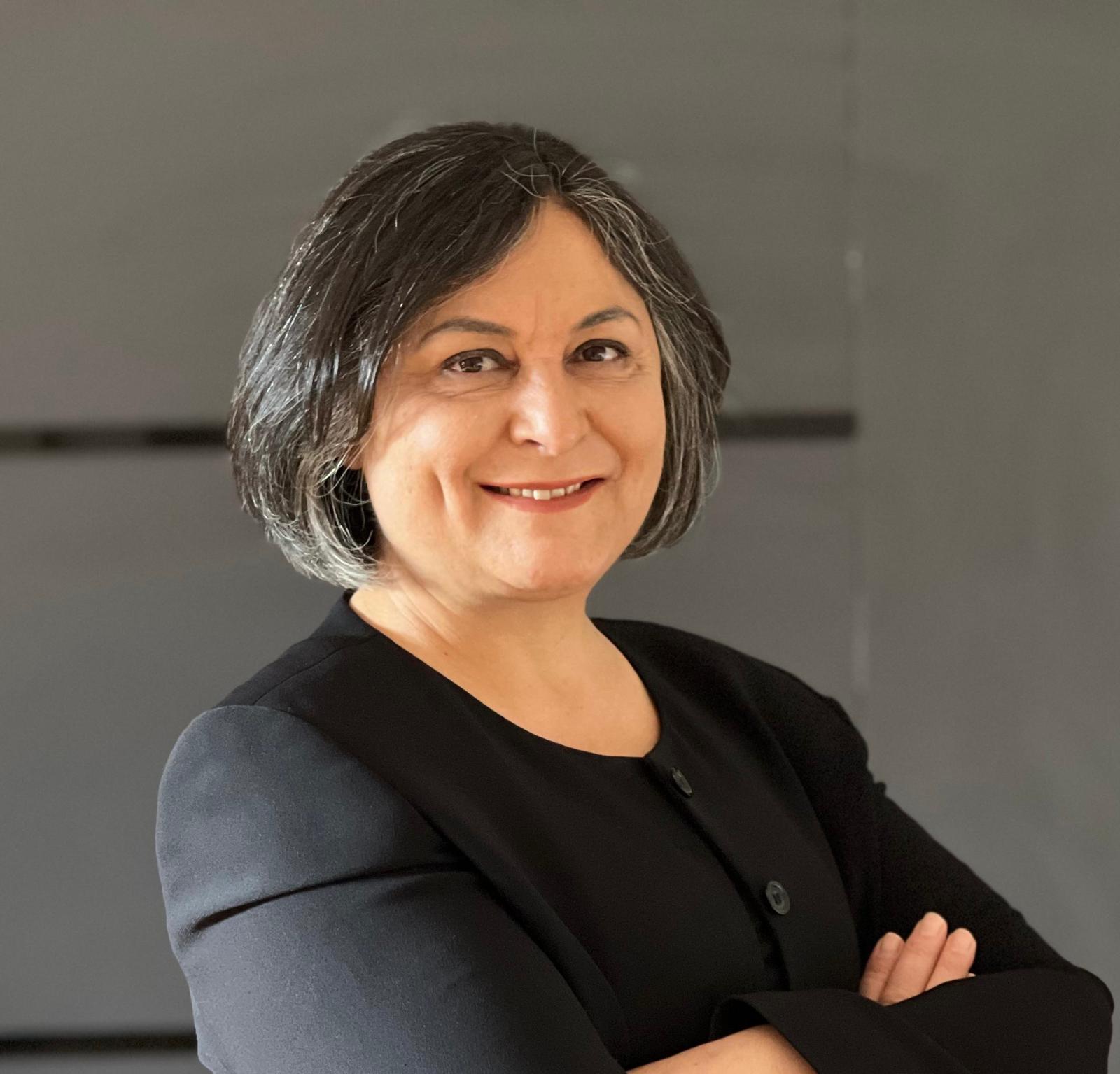
The first concrete step has been taken in the PKK's disarmament process, a subject Turkey has been discussing for nearly 22 months. The law that will form the legal groundwork for the group's disarmament passed parliament with what has been called a 'historic consensus.' Next comes implementation. But the real question is will this process, dubbed 'Terror-Free Turkey,' contribute to the country's democratization?
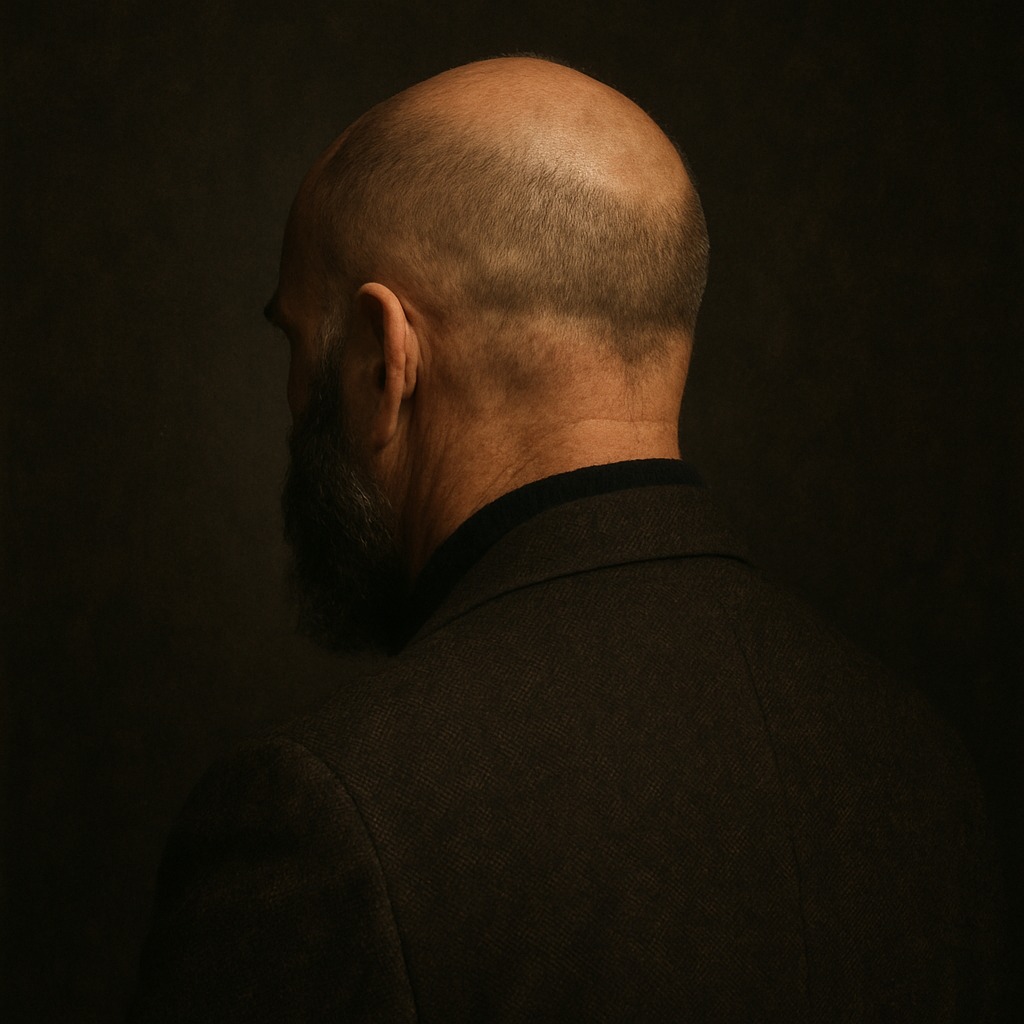
The İYİ Party was the only party to vote as a bloc against the framework law on the Kurdish peace process. Its instincts on the nationalist right are already well known. But before turning to the party, it is worth dwelling for a moment on its chair. Let us begin with his name: Müsavat.
The long-awaited and kept-under-wraps framework bill that will start the return and release of PKK members was finally submitted to parliament, two years after the process was announced.
Although the Yeni Party did not sign the framework bill designed to advance the Kurdish peace process, some of its MPs are expected to support the law in the General Assembly, since some of its MPs contributed to the commission in the parliament under the CHP banner.