
ANKARA WELCOMES SDF DISSOLUTION
Foreign Minister Hakan Fidan welcomed the dissolution of the Syrian Democratic Forces (SDF), expressing satisfaction while emphasizing the need to verify implementation on the ground.
Analysis
Smart, independent reporting on Turkey's politics, economy and foreign affairs.
Foreign Minister Hakan Fidan welcomed the dissolution of the Syrian Democratic Forces (SDF), expressing satisfaction while emphasizing the need to verify implementation on the ground.
Syrian Foreign Minister Asaad Hassan Sheibani held separate talks in Ankara with Turkish Foreign Minister Hakan Fidan and National Intelligence Organization (MİT) Chief İbrahim Kalın, focusing heavily on regional security and the integration of Kurdish armed groups into Damascus’ central authority.
Interior Minister Mustafa Çiftçi signaled a new way to accelerate the voluntary return of Syrians from Turkey, saying the government is considering lifting their temporary protection status and easing visa rules instead.
The US has started the process of removing Syria's designation as a state sponsor of terrorism, which it has held since 1979 — a win for Turkey and for visiting Syrian President Ahmed al-Sharaa.
Following the consensus between Syria’s interim government and the Syrian Democratic Forces (SDF), momentum has returned to Turkey’s long-running efforts to end the decades-long armed conflict and address the Kurdish question through political and legal channels. This renewed dynamic has also pushed the “right to hope” for PKK leader Abdullah Öcalan back to the center of the political agenda.
The expected has happened. The “new peace process,” now more than a year old, has fallen under the shadow of Syria. Map-altering clashes between the new Damascus government and the Syrian Democratic Forces (SDF), whose backbone is formed by Kurds, have driven a wedge between the AKP-MHP ruling bloc and the DEM Party in Turkey.
An operation by the Syrian army targeting Kurdish neighborhoods in Aleppo has fueled tensions in Ankara between the two main actors of Turkey’s peace process, even as President Recep Tayyip Erdoğan says he remains optimistic for a resolution in the southern neighbor.
Developments in Syria are emerging as a potential block to Turkey’s push for Kurdish peace. With the March 10 Agreement between the Syrian Democratic Forces (SDF) and Damascus nearing its implementation deadline, Ankara is increasing pressure for compliance.
The photos taken at the start of the new legislative year, in which President Recep Tayyip Erdoğan posed with chairs of opposition parties, including AKP breakaways, in the absence of the CHP, revealed the contest between the AKP and the CHP to win their support. After the images went viral, Erdoğan renewed his call for a new constitution more forcefully, while his ally, MHP Chair Devlet Bahçeli, insisted that the parliamentary commission visit PKK leader Abdullah Öcalan in İmralı and urged Öcalan to call on the Syrian Democratic Forces (SDF) to lay down arms. The same day, slogans in Kurdish for Öcalan’s freedom — “Biji Serok Apo” — were chanted at the DEM Party’s group meeting. The party, which holds the third-largest number of seats in parliament, could significantly alter the political dynamics if it supports a constitutional change. While the photos of opposition figures with Erdoğan drew sharp criticism in the opposition media, concerned about alienating them, CHP Chair Özgür Özel personally called all opposition party chairs to ease the row.
At a time when the U.S. is mediating talks between Israel and Syria in London, the head of Turkish Intelligence İbrahim Kalın met with President Ahmed al‑Sharaa in the Syrian capital, Damascus.
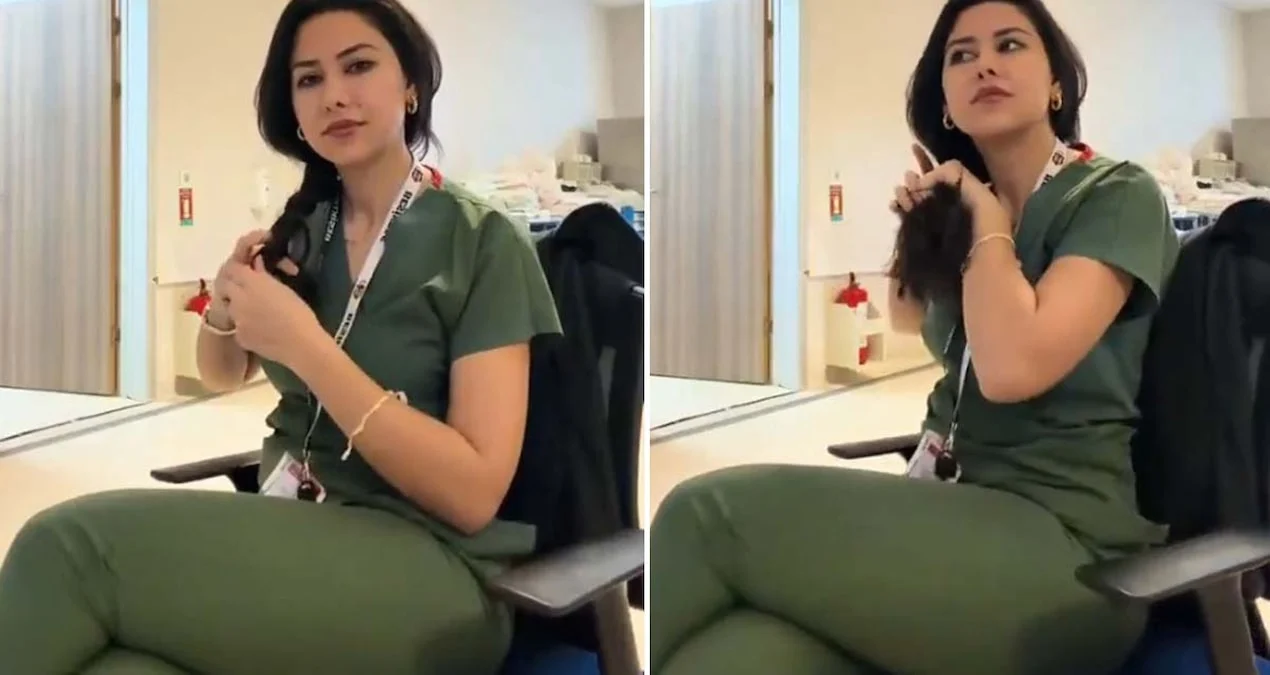
A symbolic protest emerged after images circulated on social media showing the cut hair of a woman allegedly killed in Syria, in areas formerly under the control of the Syrian Democratic Forces (SDF). The images sparked a wave of solidarity in Turkey, where activists, health workers, and even a football club adopted hair-braiding as a form of protest—prompting legal and political repercussions.
The interim Syrian government and the Syrian Democratic Forces (SDF) have again agreed to extend a cease-fire in northern Syria by an additional 15 days, postponing the implementation of recent arrangements, as diplomatic engagement involving Turkey has intensified.