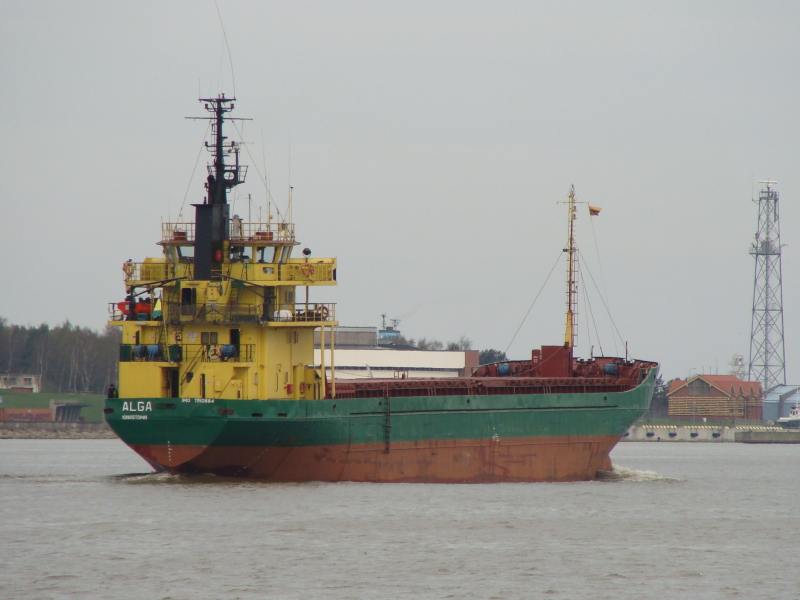
TURKISH-OWNED SHIP SUNK IN BLACK SEA, ANKARA WARNS BOTH UKRAINE AND RUSSIA
A Turkish-owned commercial cargo ship sank in the Black Sea following an Unmanned Aerial Vehicle (UAV) attack, killing all 10 crew members on board, BBC Turkish reported.
Analysis
Smart, independent reporting on Turkey's politics, economy and foreign affairs.
A Turkish-owned commercial cargo ship sank in the Black Sea following an Unmanned Aerial Vehicle (UAV) attack, killing all 10 crew members on board, BBC Turkish reported.

Hours before parliament’s “National Solidarity, Brotherhood and Democracy Commission” was to listen to the views of mothers whose children were lost to PKK or state violence, a white Renault 12 Toros — long remembered as a symbol of Turkey’s unsolved killings in the 1990s — was set on fire at Parliament’s Çankaya gate.
A Qatari Air Force helicopter crashed into the sea, killing a Turkish air defense major, two Aselsan technicians, and four Qatari crew members. Questions remain unanswered, including the type of helicopter, the exact time when it crashed and the site of the crash.
The engines of the plane carrying Libya’s top military officials, including Chief of General Staff General Muhammad Ali Al-Haddad, were still running when it crashed near Ankara on Dec. 23, 2025, killing all on board, according to findings of a preliminary investigation.
The 11th session of Turkey’s parliamentary commission on the Kurdish peace process saw its first major confrontation, as comments made by a representative of the İslami Tebliğ Tedris İlim Hareketi Adamları Association (İTTİHAD) prompted a dramatic walkout by members of the DEM Party. The controversy began when Mehmet Beşir Şimşek, a senior figure in İTTİHAD, addressed the commission on Sept. 18. The group is widely known for its ideological ties to Turkish Hizbullah, which was linked to a series of extrajudicial killings in the 1990s, many involving victims bound and executed using the notorious “pig-tie” method.
In the 1970s, Turkey was plagued by deadly street clashes that claimed at least 10 lives a day. One of the bloodiest moments came in 1977, when the May Day rally in Istanbul’s Taksim Square turned into a massacre after shots were fired into the crowd, killing over 30 people. The ongoing ban on May Day rallies in Taksim dates back to that tragedy. As the violence escalated, conventional media outlets repeatedly asked, “Where is Turkey heading?” The era came to a close with the military coup of September 12, 1980.
The word of the week is “ihtiyatlı iyimserlik,” literally, “cautious optimism.” A staple of diplomatic jargon, the phrase allows diplomats, speechwriters, and strategists to sound hopeful without making any actual commitment. Last week alone, the term was trotted out as a reaction to the latest Damascus-SDF agreement, the ever-elusive prospect of a Ukraine-Russia ceasefire, and Syrian interim President Ahmad al-Sharaa’s pledge to establish an independent commission to bring those responsible for civilian killings in Latakia and Tartus to justice. And, yes, we are also cautiously optimistic about PKK leader Abdullah Öcalan’s calls to dissolve PKK and lay down arms, too.
On Oct.4, a 19-year-old man, Semih Çelik, carried out a horrifying double murder in Istanbul, brutally killing two young women within half an hour before ending his own life. Çelik’s body plummeted from the city’s historic ramparts shortly after the severed head of his second victim, İkbal Uzuner—a former classmate he had been obsessed with—hit the pavement below.