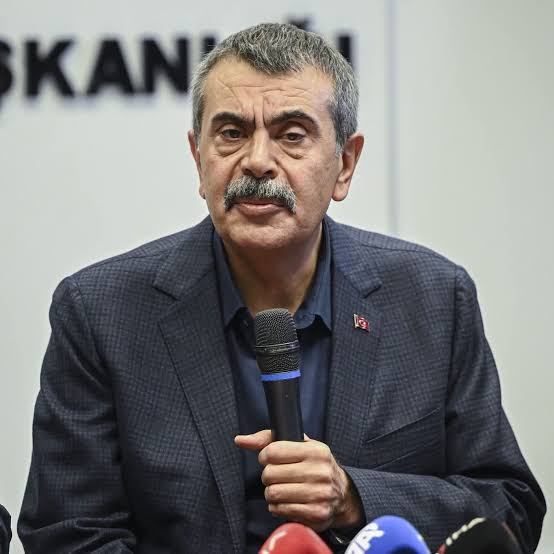
MINISTER PLEDGES RESPONSE TO WAVE OF SCHOOL VIOLENCE
The education minister described a wave of lethal violence in schools as a “sickness” and suggested social media is to blame.
Analysis
Smart, independent reporting on Turkey's politics, economy and foreign affairs.
The education minister described a wave of lethal violence in schools as a “sickness” and suggested social media is to blame.

While mass school shootings remain rare in Turkey, the back-to-back attacks in Şanlıurfa and Kahramanmaraş have intensified calls for the resignation of Education Minister Yusuf Tekin, as discussions on the increasing violence in education system have come under scrutiny.
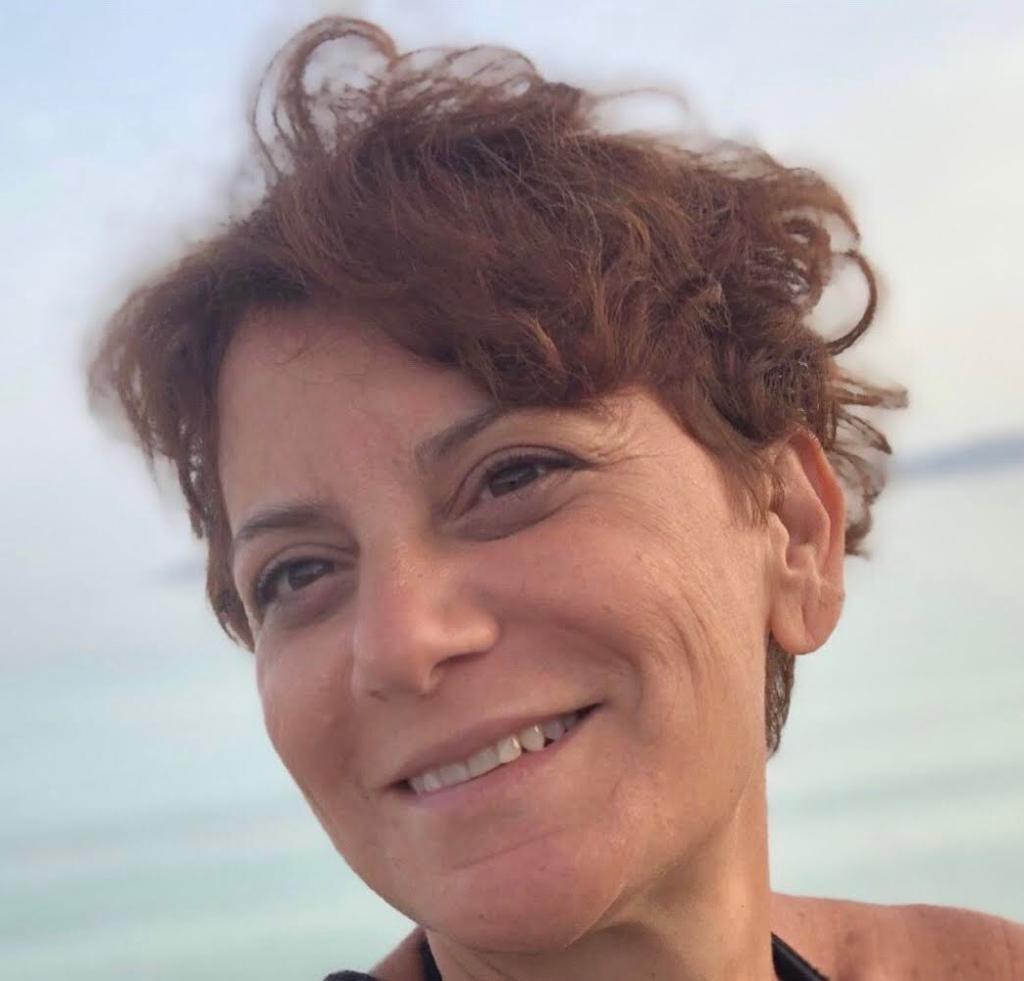
For me, this year, Nov. 26, the International Day for the Elimination of Violence Against Women, arrived as a photograph. A staged one in which the woman’s face was hidden, but the hair defied all attempts at concealment. Sümeyye Akyol’s Domination, shown this week at young artists’ platform BASE at the Ritz-Carlton Residences, is built on fictional photographs using real women; mostly her friends and family.
Hours before parliament’s “National Solidarity, Brotherhood and Democracy Commission” was to listen to the views of mothers whose children were lost to PKK or state violence, a white Renault 12 Toros — long remembered as a symbol of Turkey’s unsolved killings in the 1990s — was set on fire at Parliament’s Çankaya gate.
Islamist YRP Chair Fatih Erbakan has promised to repeal Law 6284, the main legal safeguard protecting women from violence and the only remaining protection after Turkey withdrew from the landmark Istanbul Convention in 2021.
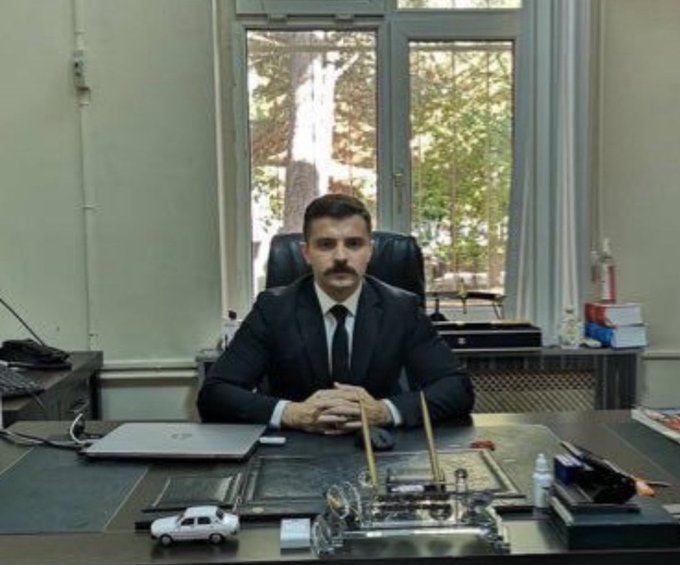
One of the prosecutors overseeing the case against Istanbul Mayor Ekrem İmamoğlu has come under fire after CHP Chair Özgür Özel revealed that the prosecutor displays a model of a Beyaz Toros—a car widely associated with disappearances and state violence in the 1990s. İmamoğlu, who has been held at Silivri Prison since his March 19 arrest, recounted the incident during an interview with journalist Ruşen Çakır of Medyascope as he visited the Istanbul Mayor in prison. İmamoğlu said the prosecutor, who took his testimony following the sweeping police operation, placed a symbolic image of the white Renault Toros on his desk and ended the interrogation by saying: “Tomorrow you become president, then you judge us.”
In the 1970s, Turkey was plagued by deadly street clashes that claimed at least 10 lives a day. One of the bloodiest moments came in 1977, when the May Day rally in Istanbul’s Taksim Square turned into a massacre after shots were fired into the crowd, killing over 30 people. The ongoing ban on May Day rallies in Taksim dates back to that tragedy. As the violence escalated, conventional media outlets repeatedly asked, “Where is Turkey heading?” The era came to a close with the military coup of September 12, 1980.
The word of the week is—surprise, surprise—“boycott.” This word has its roots in Ireland but was readily adopted by the Ottoman Empire as “boykotaj” in the early 20th century. It all began with a stubborn man and a group of angry farmers. Charles Boycott, the eponymous land agent in 19th-century Ireland, refused to lower rents. In return, local tenants refused to acknowledge his existence—no violence, no slogans—just pure, icy silence. Labourers wouldn’t work his land, shopkeepers wouldn’t serve him, even the postman changed routes in what was the forefather of today’s cancel culture. Boycott became so isolated that his name turned into a verb.