The debate kicked off following an article by journalist Zeynep Gürcanlı, who asked why Turkey did not join the statement issued by the Hague Group during their meeting in Bogota on July 16.
Turkey was among 30 countries at the Bogota conference, yet opted not to sign the statement, which included measures against Israel. Among these measures are the denial of arms to Israel, a ban on ships transporting such arms, and a review of public contracts for possible links to companies that benefit from the Israeli occupation.
The story was quickly picked up by the main opposition CHP as well as Islamist circles.
The Foreign Ministry issued two separate statements on the matter, an early sign of how a simple issue can spiral up into a crisis when it concerns Israel and Palestine.
Turkey is not part of the Hague Group, which acts to support international legal rulings on the Israel-Palestine conflict, and therefore did not take part in the preparation of the joint statement. As the participating states were given until Sept. 20 to join the statement, it is not unusual for any country to take time to consider. But if that state happens to be ruled by an Islamist administration that claims to be on the forefront of defending Palestinians, to defer an action against Israel can become highly controversial.
The ministry argued in its statement that the issue required internal coordination and said most of the measures announced in Bogota were already being implemented against Israel.
Foreign Minister Hakan Fidan, on the other hand, accused the opposition of helping the Greek cause, as he stated that the document made reference to the United Nations Convention on the Law of the Sea (UNCLOS), which Turkey is not a party to due to problems in the Aegean. He advised the opposition leader to change his diplomatic advisors.
ÖZEL BREAKS RESTRAINT, ACCUSES FIDAN OF DAMAGING STATE PRESTIGE
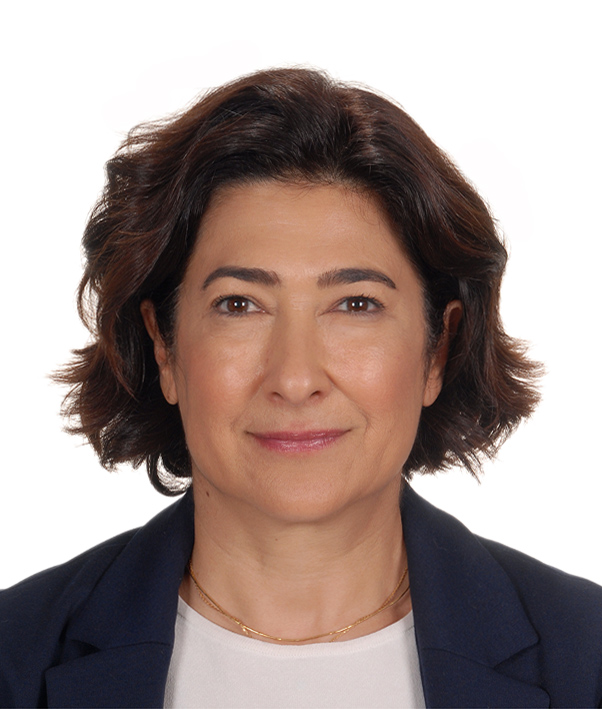
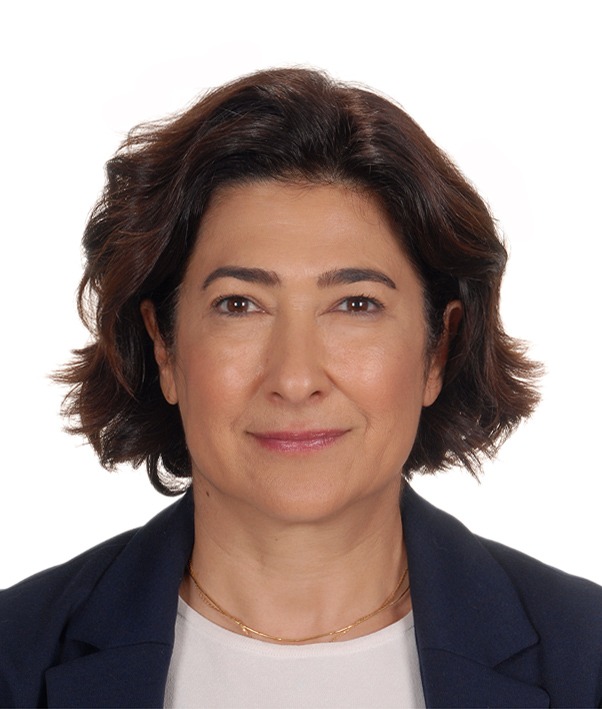
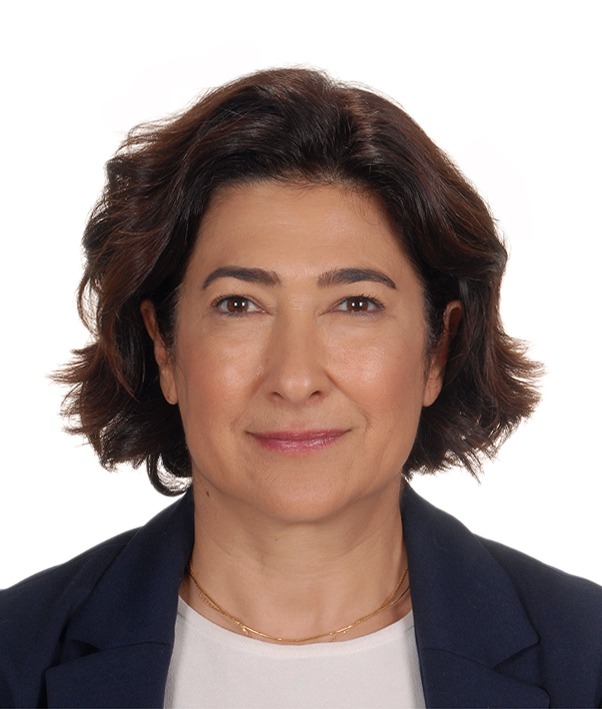
Özgür Özel, the chair of the CHP, lashed out at Fidan, calling him incapable of running the ministry.
On assuming the leadership of the CHP, Özel asked to have a special dialogue with the government on foreign and security policies, and has usually been restrained on these issues.
Yet, this time he took close aim at Fidan. He said the minister’s three-month-old claim that he had been poisoned while leading the National Intelligence Organization (MİT) had harmed not just the state's prestige but also that of the organization.
Islamist circles joined the criticism. A radical Islamist group organized a march, starting the protest from the AKP headquarters and ending near the Presidential Complex.
The ministry then announced that the declaration had been signed with reservations, which prompted Özel to ask for an official apology from Fidan.
On both occasions when he targeted Fidan, Özel also attacked TikTok videos portraying Fidan as an enigmatic, mysterious character.
Having served as a bureaucrat for nearly two decades under the AKP, Fidan lacks the experience of politicians who are accustomed to criticism. During 13 years as head of intelligence, he enjoyed the luxury of remaining in the dark, allowing him to work in the absence of any criticism. He came under spotlight following the failed coup of 2016 and many questions remain unanswered about his failure to prevent the coup attempt.
In contrast to his predecessor at the Foreign Ministry, he tries to build an image of a “serious - no-nonsense statesman.”
But he remains extremely sensitive to criticism and has no tolerance for anything that can tarnish his image.
That partially explains why the ministry mismanaged a rather simple issue, allowing it to spiral into a huge affair.
DIPLO-FLIRTING BETWEEN FİDAN AND BARRACK
Meanwhile, surprising praise from one of Fidan’s interlocutors could put him in a difficult situation.
“I can tell you that you have one of the best foreign ministers in the world. Hakan Fidan deals with some of the most complex issues around him every day, and he does so with grace, subtlety, and deep thought,' U.S. Ambassador to Ankara and special envoy to Syria Tom Barrack told the news channel Habertürk.
He seemed to be reciprocating earlier praise from Fidan who said Barrack represents “a new approach that seeks to reflect a certain neutrality. It is a genuine vision we have been waiting for years. We appreciate this.”
It remains to be seen how these mutual appraisals will be taken by the ruling coalition constituency. After years when the AKP propaganda machine demonized Washington for years and portrayed it as a destructive actor, Fidan risks being dubbed “Washington’s handy man.”
Meanwhile, Barrack’s statement in the same interview that Mazlum Abdi, the military commander of the YPG-SDF, does not pose a threat to Turkey might not go down well with the Turkish public.