By Barçın Yinanç
When Hakan Fidan met the new recruits who passed the Foreign Ministry’s examinations in February, he told them not to marry foreigners.
He has made his objections known since the first day he came to office in June 2023, complaining that the rate of Turkish diplomats married to a foreign national had reached 20 percent. He also made clear that while those already married to foreigners would not be discriminated against, from now on those who would marry foreigners would not be appointed to critical positions.
He has not kept his promise. Some diplomats are not being promoted and they believe this is because they are married to foreigners.
In addition, two female diplomats married to foreigners and initially appointed to the Security and Intelligence Department were later transferred to other departments. The fight against terrorism, organized crime, anti-Turkish activities are among the responsibilities of the Security and Intelligence Department.
NEW CRITERIA
Meanwhile, meeting with recruits, Fidan introduced a new criteria: “Don’t marry among yourselves.”
Indeed, the number of diplomatic couples grew in the 1990s and 2000s simply because the number of women joining the diplomatic corps has seen an exponential rise. Until the 1970s there were only a handful of women diplomats. By 2020 women diplomats reached 35 percent.
Women have fought hard against the misogynist attitudes of senior men. Seen as unfit for the profession, women were discouraged from entering the ministry. Those who insisted were often employed in departments considered to handle soft issues like cultural or consular affairs. Marriage within the ministry was also discouraged.
Diplomat couples were only allowed to serve once in the same country, and little effort was taken to make their lives easy by appointing them to neighboring countries. This rigid attitude towards couples changed over time and so has the policy of appointing women to the less critical departments.
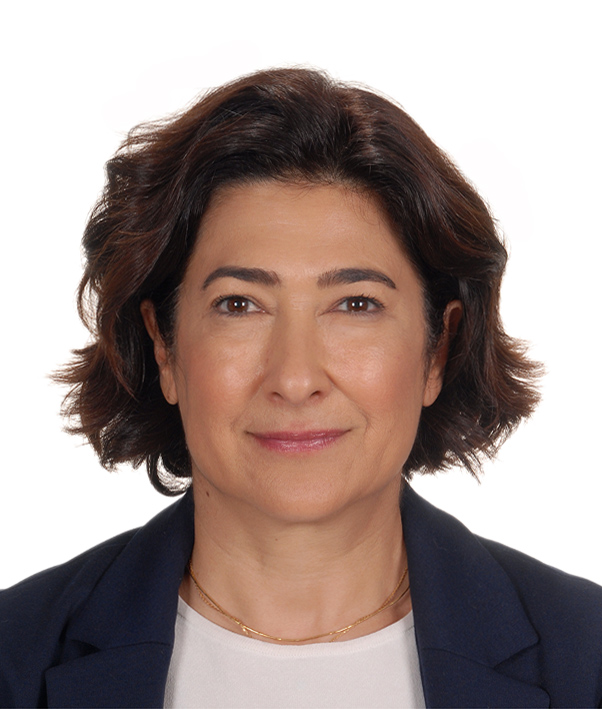
In fact, the positions of general director or deputy director of the Security and Intelligence Department, as well as the NATO department, both seen as male-dominated areas, were held mostly by female diplomats during the last decade. After transferring two female diplomats with foreign last names to another department, in a very recent move, Ambassador Ceren Yazgan, with a career on security issues who was the director general of the Security and Intelligence Department, was transferred to the Consular and Migration Department.
BACK TO SQUARE ONE
To what degree this latest move is emblematic of a new attitude towards women remains a question mark. After all, Fidan appointed a woman as deputy minister, the highest rank a female diplomat has reached in the Foreign Ministry.
The move can also be explained by Fidan’s preference to work with officials from the National Intelligence Agency (MIT), which he headed for more than a decade. Kenan Yılmaz, from MIT and most recently Turkey’s envoy to Libya, will now be the new head of the Security and Intelligence Department.
In the meantime, a new directorate for diplomatic security has been established within the ministry.
According to the presidential decree made public on Sept. 14, it will be responsible for the security of the Foreign Ministry’s premises inside the country as well as of the country’s missions abroad.
The directorate's responsibilities will include overseeing internal communications within the ministry, monitoring potential threats to diplomatic missions, and protection of foreign delegations and individuals visiting the ministry.
Of the 30 directorate generals in the ministry, 13 come from outside, wrote CHP deputy Namık Tan: five are political appointees and eight are from MIT. “In short, the ministry has become a parallel MIT during Fidan’s stint,” Tan, a former diplomat, wrote on X.
EARLY RETIREMENTS ON THE RISE
Currently, more and more diplomats see no future for their careers. Before the AKP came to power, It was extremely unusual to see a diplomat taking early retirement. In the past decade, young ambassadors have started to opt for early retirement. Nowadays, some are said to contemplate quitting even before earning the title of ambassador.
This probably won’t annoy Fidan, who came to the ministry with the mission to change the “mental codes” of one of the country’s oldest institutions. Following the exams this month, the ministry will recruit 200 new personnel. The ministry is no longer seeking the creme de la creme as the grades to enter the ministry have been lowered. And since young couples are discouraged from falling in love, when this is the case, it is highly likely for the woman to give up their career, meaning we’ll be back to square one in terms of women’s empowerment.