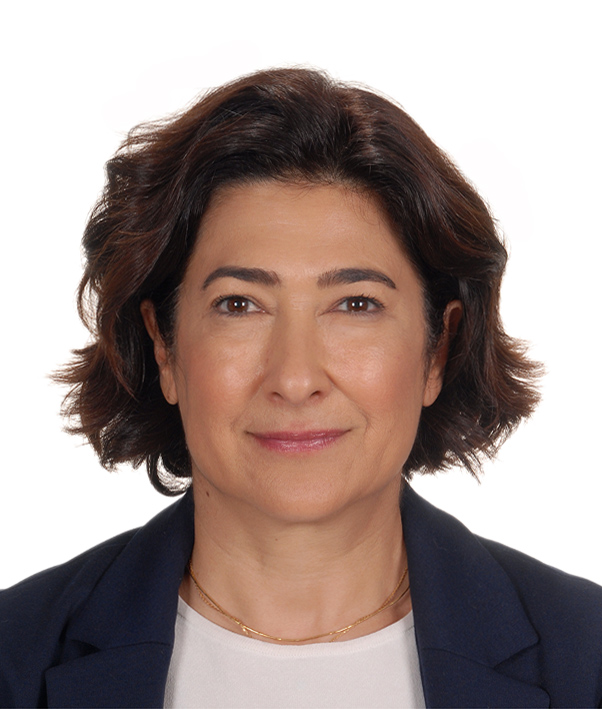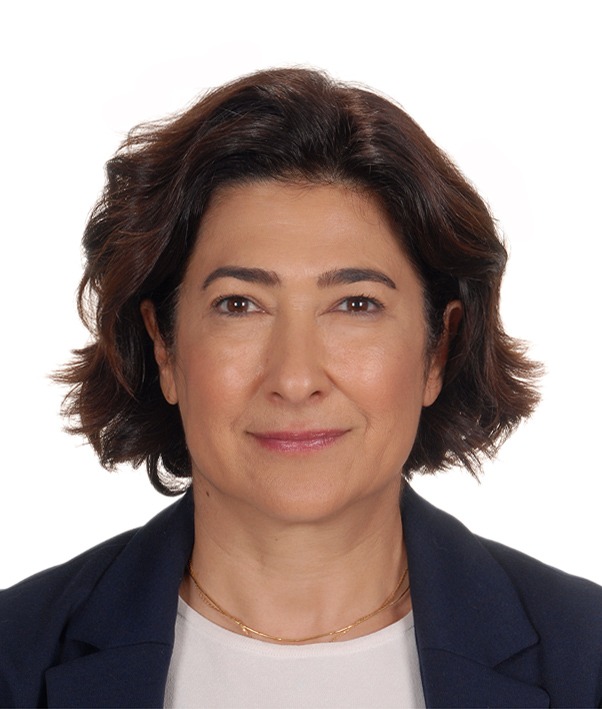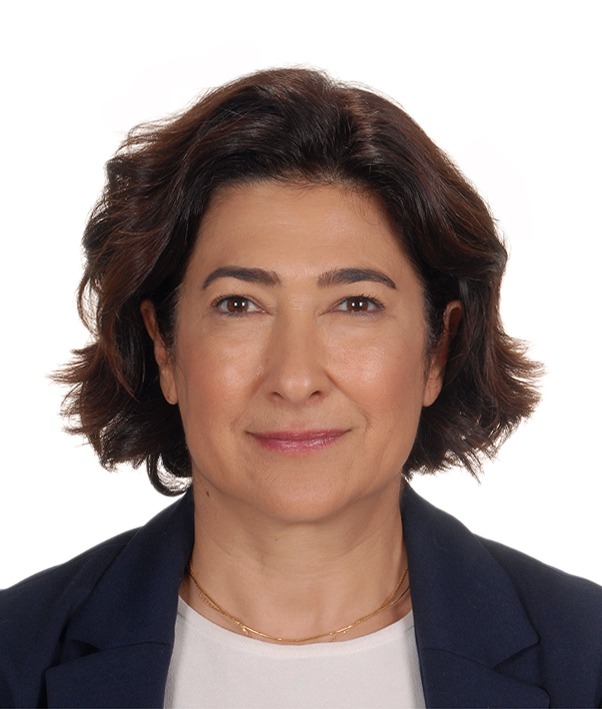
By Barçın Yinanç
“Turkey is managing migration without talking about migration in the public sphere,” the head of an international non-governmental organization dealing with migration issues told me.
This spring marks the 15th year since the arrival of Syrians fleeing civil war in their country.
Currently, Turkey hosts approximately 4.4 million foreigners, of which 3.1 milion are Syrians under temporary protection status, making it one of the countries with the most refugees.
In contrast to other European countries, which hosted large numbers of migrants over the course of several decades, Turkey had to cope with a huge number in a very short time.
However, Turkey is catching up with European standards in terms of the legal framework, according to a recent report that measures and compares policies towards foreigners in 56 countries.
The 2025 Migrant Integration Policy Index (MIPEX), made public recently, shows Turkey’s MIPEX score rose to 51 points in 2025 from 43 in 2019.
This places Turkey close to the midpoint of MIPEX countries, just below the EU average, and reflects a steady shift from emergency responses towards more structured and institutionalized approaches.
About 640,000 Syrians have returned from Turkey to Syria since the Assad regime fell in December 2024. Yet the MIPEX results, which only focus on legislation and not implementation, show an understanding among Turkish decision-makers that, despite regime change, a significant number of Syrians will remain in Turkey.
STAGNATION IN EU COUNTRIES
There are several reasons for Turkey’s rise in the MIPEX rankings. From the perspective of many EU member states, where populist governments and anti-immigrant rhetoric have gained traction, integration policies have increasingly stagnated or even regressed, according to Başak Yavçan, the research director at Brussels-based Migration Policy Group and the coordinator of the project.
By contrast, Turkey has maintained a gradual but steady improvement across multiple dimensions of integration policy, a process that was initially catalyzed by the harmonization efforts of the initial stages of the EU candidacy, Yavçan told me.
At the same time, the MIPEX methodology makes it easier to raise a score from low levels than it is to attain very high scores. Reaching the top tier requires a far more comprehensive policy framework that goes beyond guaranteeing basic rights and actively ensures equal opportunities across all areas of integration, as seen in countries such as Canada and Sweden.
PROGRESS ON ACCESS TO LABOR, EDUCATION AND HEALTH
Turkey registered the most significant progress in access to labor, education, and health.
In particular, the expansion of vocational training opportunities, the stronger integration of migrant children into the education system, and the wider availability of information and translation support in access to healthcare services stand out.
This information might lead to raised eyebrows among those segments of society where prejudices against Syrians have increased due to the deterioration in Turkey’s economic situation. As unemployment is on the rise, some believe their jobs are being stolen by cheap labor from Syrian or Afghan refugees.
Nevertheless, progress in access to labor and education does not necessarily mean migrants are here to stay. On the contrary, better education opportunities as well as professional skills acquired, can facilitate their relocation.
“Turkish authorities appear to recognize that voluntary return policies and integration policies are not mutually exclusive, but can coexist and should be supported in parallel,” said Yavçan.
Key areas that continue to remain highly controversial are permanent residency and access to citizenship. Opponents of the government believe that too many people from Middle Eastern countries are being accorded nationality that will help secure votes in elections.
In fact, on legislation for permanent residency (42/100) and on access to nationality (50/100), Turkey’s scores are moderate, showing that some legal pathways do exist but remain limited.
“For many Syrians under temporary protection, moving into permanent residency or citizenship is still very difficult, except through exceptional citizenship decisions. The processes for both permanent residency and citizenship are also not always predictable, as authorities retain broad discretion over who is approved,” said Yavçan.
Yavçan, and other Turkey experts Ayhan Kaya, Mehmet Gökay Özerim, and Fulya Memişoğlu shared their findings at a series of meetings with different shareholders and gathered feedback.
According to Murat Erdoğan, an expert on migration, the project provides an important dataset. But he objects to comparing a country the size of Iceland, for instance, with Turkey, which received a surge of several million refugees in a shockingly short time span.