TWO FACES OF THE PROCESS: DISARMAMENT, YES. DEMOCRATIZATION, NOT YET
Two years into the PKK’s disarmament process, fears of stalling have resurfaced. DEM Party Co-Chair Tuncer Bakırhan put it plainly: “The pace of the process has slowed.”
Analysis
Smart, independent reporting on Turkey's politics, economy and foreign affairs.
Two years into the PKK’s disarmament process, fears of stalling have resurfaced. DEM Party Co-Chair Tuncer Bakırhan put it plainly: “The pace of the process has slowed.”
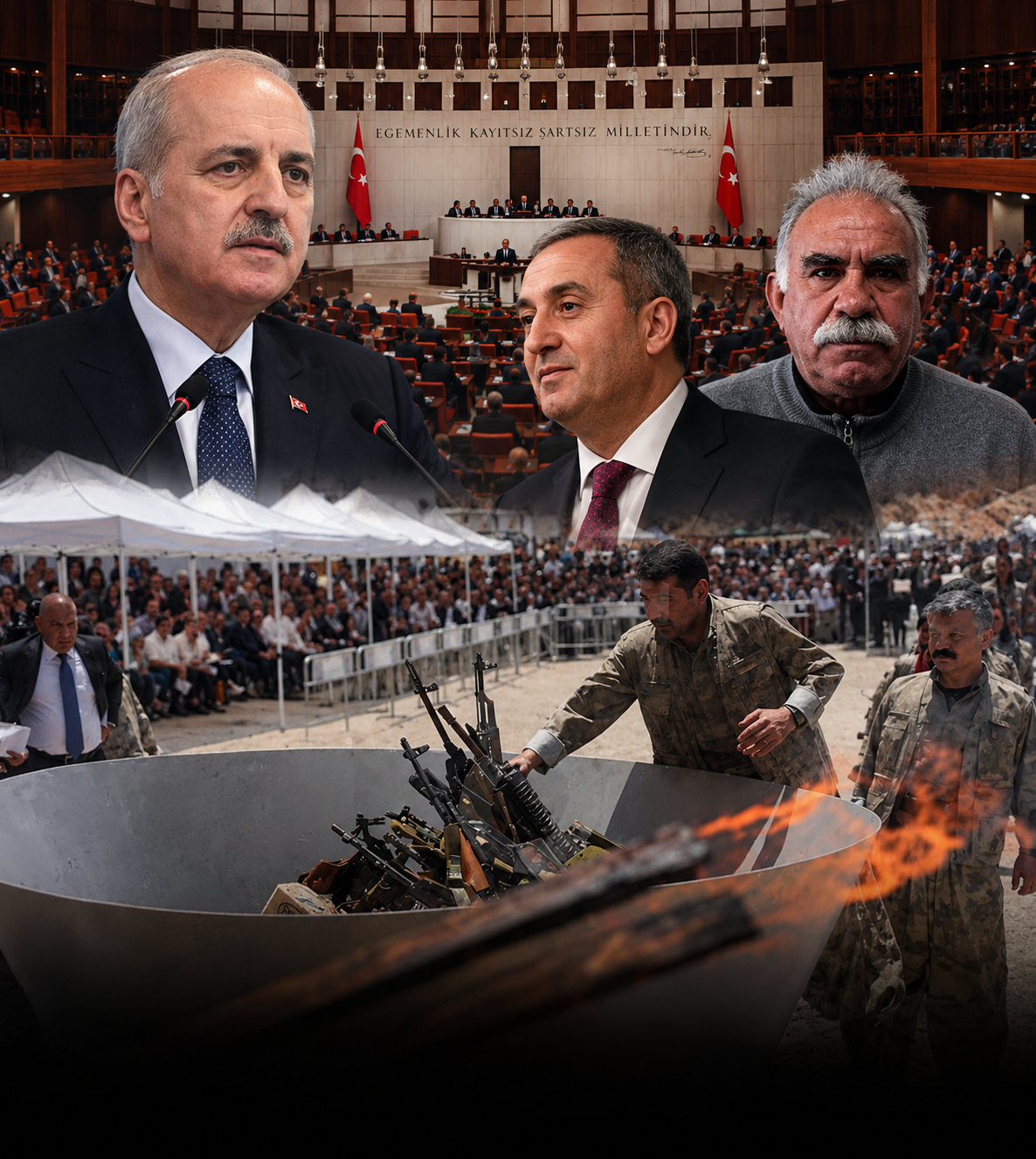
The parliament has not established a commission to monitor progress on the surrender of weapons and personnel by the Kurdistan Workers’ Party or PKK, and Kurdish groups are complaining the process is stalled.
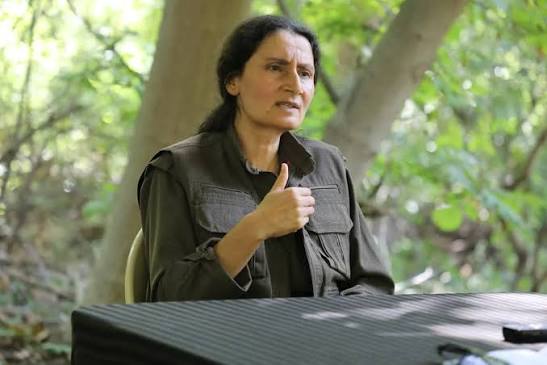
Ankara confirmed the evacuation of four Kurdistan Workers Party (PKK) camps, possibly clearing the way for the second phase of the “Terror-Free Turkey” process.
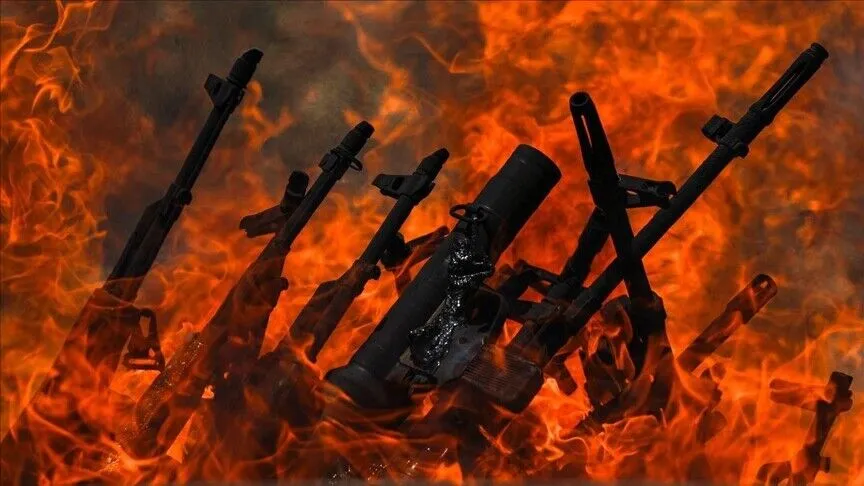
Expectations that the Framework Law on the Terror-Free Turkey process would take effect in October have shifted to December.
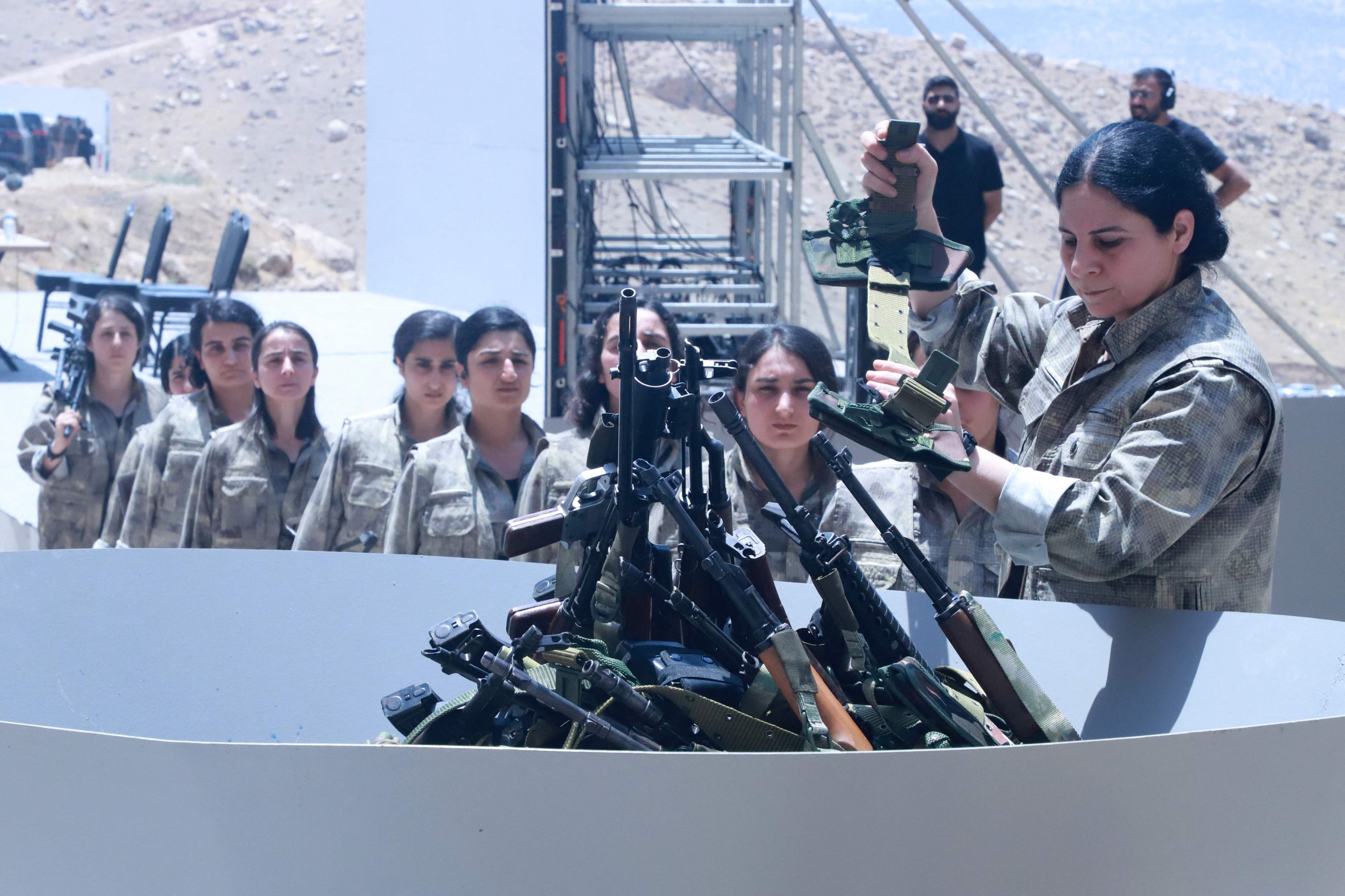
With the start of the new legislative year on Oct. 1, the main agenda will be the ongoing peace process concerning the Kurdish issue, which faces gridlock about the timing of demands over disarmament, legal guarantees, and the official status of jailed PKK leader Abdullah Öcalan.

With the framework law in force and mechanisms in place to allow the return of PKK militants, the peace process has moved into a new phase — not without controversy.

On Aug. 10, Turkey’s parliament passed what many will call an amnesty for PKK members, on the strict condition that no one call it that. The word appears nowhere in the law, which is titled, in Turkish, the Law on Strengthening National Solidarity and Social Integration.
The first concrete step has been taken in the PKK's disarmament process, a subject Turkey has been discussing for nearly 22 months. The law that will form the legal groundwork for the group's disarmament passed parliament with what has been called a 'historic consensus.' Next comes implementation. But the real question is will this process, dubbed 'Terror-Free Turkey,' contribute to the country's democratization?
Debate is underway over how the political balance will shift after the “Framework Law,” which establishes the legal basis for the PKK’s disarmament process, passed the 600-seat parliament with a record 467 votes. The overwhelming support for the law is expected to whet the government’s long-standing appetite for a “new constitution.” But is that possible before the general election, now 20 months away if held on schedule?
The long-awaited and kept-under-wraps framework bill that will start the return and release of PKK members was finally submitted to parliament, two years after the process was announced.
Turkey's nationalist opposition parties escalated their criticism of the framework law that is expected to regulate the return of PKK members, rebuking the government for showing the draft to jailed PKK leader Abdullah Öcalan before parliament or the public.
The “framework law” that will provide the legal basis for the PKK’s disarmament process appears set to be enacted after nearly five months of waiting. Öcalan’s view that “even if it is incomplete and inadequate, a step needs to be taken” proved instrumental in overcoming the disputes surrounding the law. In a sense, it was Öcalan who untied the knot.