
UNIONS UNDER FIRE FOR GIFTING JOURNALISTS SHOPPING VOUCHERS
Two Turkish unions sparked a backlash after distributing shopping vouchers worth thousands of liras to journalists at press events funded by workers’ subscriptions.
Analysis
Smart, independent reporting on Turkey's politics, economy and foreign affairs.
Two Turkish unions sparked a backlash after distributing shopping vouchers worth thousands of liras to journalists at press events funded by workers’ subscriptions.
MHP Chair Devlet Bahçeli joined the newly launched social media platform Next Sosyal, developed by Baykar Chair Selçuk Bayraktar, President Recep Tayyip Erdoğan’s son-in-law.
Since Istanbul Mayor Ekrem İmamoğlu’s detention on March 19, the CHP has held 40 rallies despite no upcoming elections, yet failed to shift the political agenda. The party opened İmamoğlu’s first campaign office in its Çankaya stronghold in Ankara, only to see its provincial chair dismissed days later. Though operations against Istanbul Municipality slowed, confessions from businessperson Aziz İhsan Aktaş continue to dominate headlines. A fresh wave of arrests targeted subsidiaries ISFALT and IETT, as well as tender officials.
The Turkish Parliament Speaker has moved forward to form a long-anticipated commission as part of the government’s “Terror-Free Turkey” initiative, setting the number of members at 51 and requesting party nominations by July 31, following days of delay and political back-and-forth.
In the most dramatic leadership overhaul at the armed forces pension fund since the 2016 coup attempt, retired Lt. Gen. Zekai Aksakallı—a key figure in thwarting the coup—has been named chairman of the giant fund.
Ahead of renewed hopes for a peace process, Sözcü — known for its opposition stance — has stirred controversy with successive headlines alleging the mass release of PKK-linked prisoners. The Justice Ministry has twice rejected the newspaper’s reports, which first claimed 200 prisoners had been released and later suggested an additional 700 would follow.
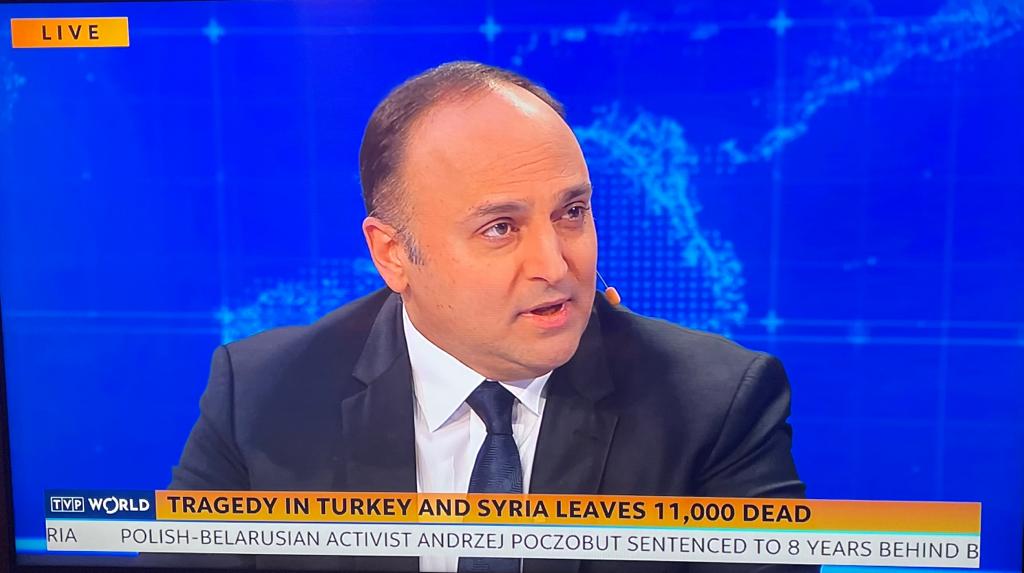
Turkey and France, NATO allies and regional heavyweights, are locked in a relationship best described as a cocktail of competition, cooperation, and confrontation. Despite shared interests in trade and global security, Ankara and Paris appear increasingly out of step on strategic and ideological matters even as flashpoints multiply.
The government's push for austerity in the public sector has failed to deliver results. Despite promises to cut costs—particularly through the disposal of surplus vehicles—public institutions spent 161.2 million lira on new vehicle purchases in the first half of 2024, while generating just 5.1 million lira in sales.
Enis Güçlü Şirin, the trustee appointed to İmamoğlu İnşaat—the family business of Istanbul Mayor Ekrem İmamoğlu—holds positions on the boards of more than 20 other companies. All the firms where Şirin serves are under the administration of Turkey’s Savings Deposit Insurance Fund (TMSF) which operates firms that have been seized by the state often because of bankruptcy, tax debts, or links to the Gülenist movement.
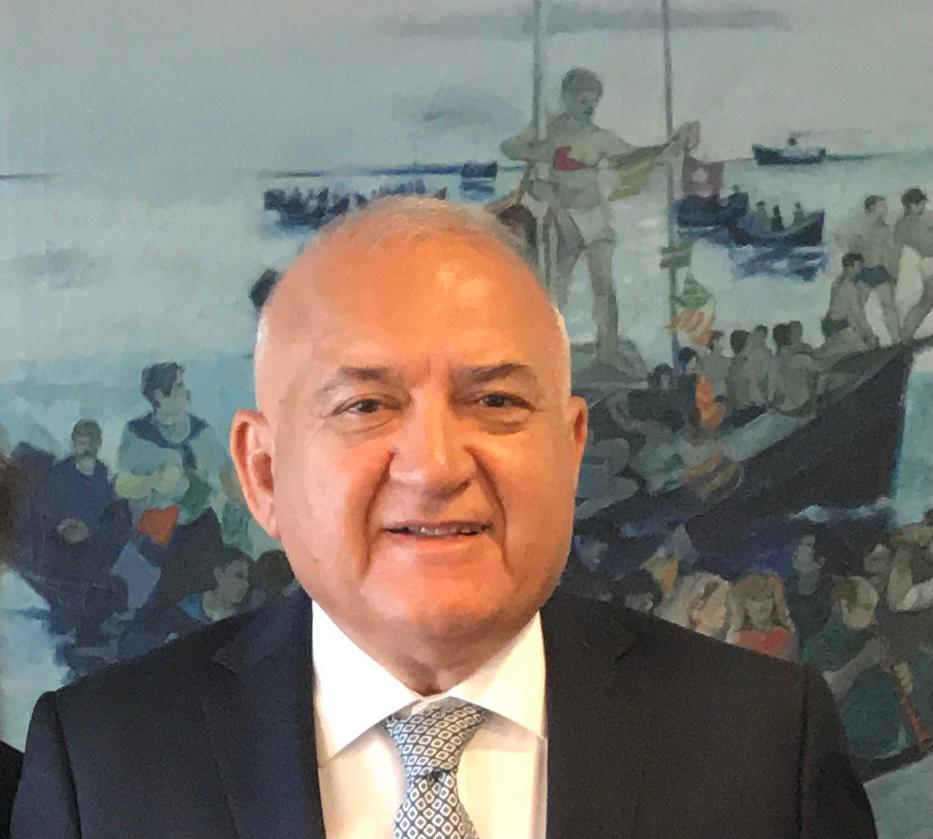
Turkey and the U.S. were the key backers of HTS - a former offshoot of ISIS turned Western ally - in its surprise victory over the Bashar Al-Assad regime in December. Ankara hoped this would give it a role in rebuilding Syria under the HTS and also help eliminate the PYD/YPG threat in north-eastern Syria. However, neither goal materialized. Only seven months after the power change in Damascus, it is not Turkey, but Israel, followed by the U.S. and Saudi Arabia that are now influential in Syria. Although Turkey remains dominant in the occupied northern strips of Syria, it failed to establish new bases, let alone an airbase in mid-Syria, because of Israel’s opposition.
The Syrian government has requested support from Turkey to strengthen the country's defense capabilities and fight terrorist organizations, particularly Islamic State, the Defense Ministry said.
The arithmetic in the Turkish Parliament is shifting rapidly, as party defections mount. Since the May 2023 elections, 35 lawmakers have resigned from their parties, significantly altering the composition of parliament. The İYİ Party has shrunk from 43 to 29 MPs; DEVA has dropped from 15 to 9; and Gelecek from 10 to 4. Of the defectors, 11 joined the AKP and 10 moved to the CHP. Fourteen now sit as independents.