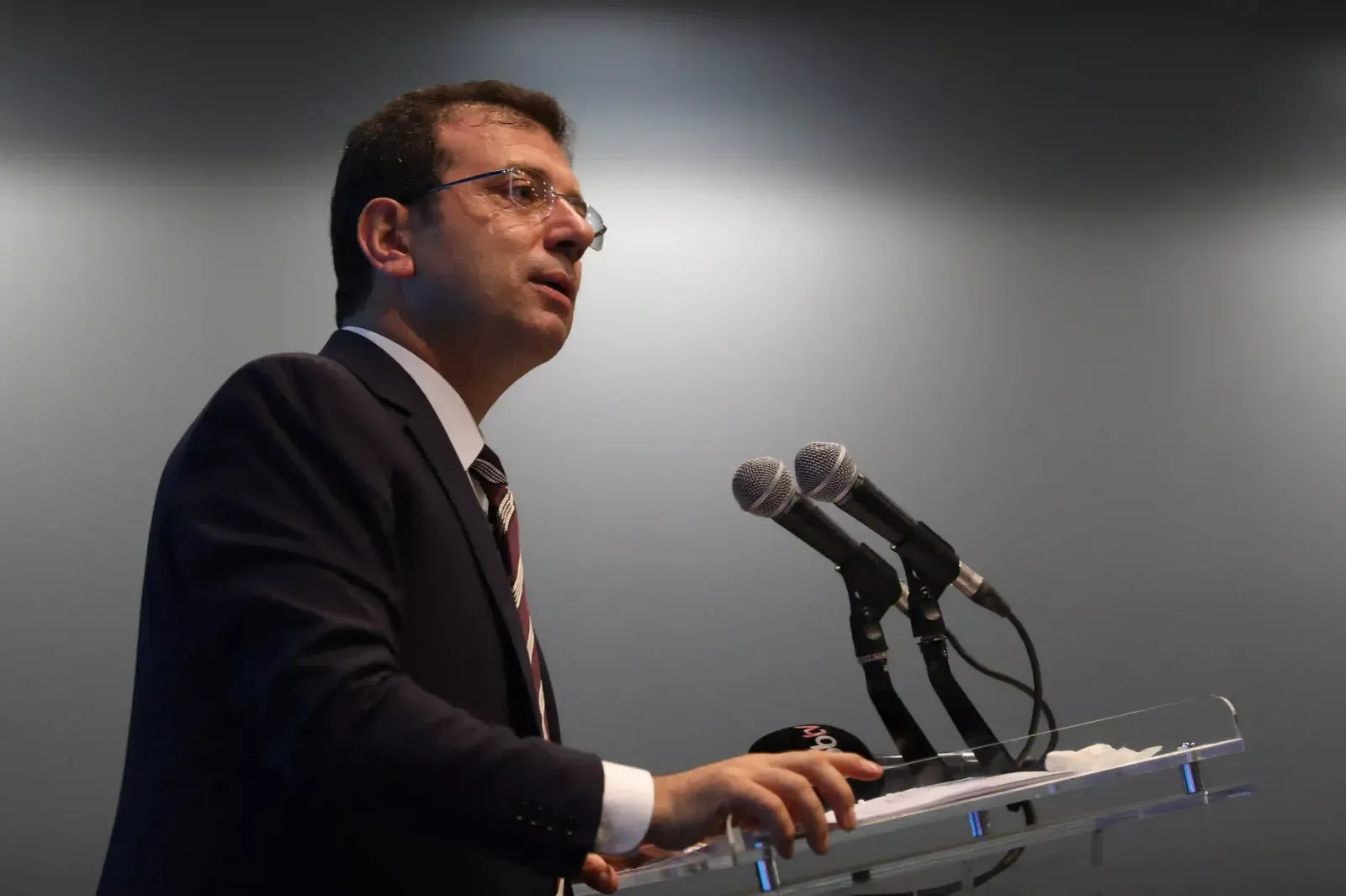
İMAMOĞLU GETS THIRD POLITICAL BAN, LOSES DEGREE APPEAL
Two courts ruled against Ekrem İmamoğlu this week, making it harder for the jailed Istanbul mayor to run for president.
Analysis
Smart, independent reporting on Turkey's politics, economy and foreign affairs.
Two courts ruled against Ekrem İmamoğlu this week, making it harder for the jailed Istanbul mayor to run for president.
When the AKP came to power it had to prove to the outside world that it was not an Islamist party. The way to convince Western capitals went through luring in Israel and the Jewish lobby. By 2008, the party had consolidated power internally and received a high degree of acceptance from the Western capitals, which led to overconfidence. When the Arab Spring began, the AKP did not have to hide its true ideological leaning. Convinced that the moment for political Islam had finally come, the AKPs ruling elites did not hide their ambition to lead Muslim Brotherhood to power in Middle Eastern countries.
The Eastern Mediterranean has always been shaped by the interplay of northern and southern powers. From the time of the Hittites and Ancient Egyptians to the Ottomans and Mamluks, and through to the present day, control or influence over this region—from Mesopotamia to North Africa—has often rested with one or the other. When Turkey and Egypt were aligned, a degree of order and stability was possible. When they clashed, chaos ensued. History shows us that these two centers of power matter—and they still do today.