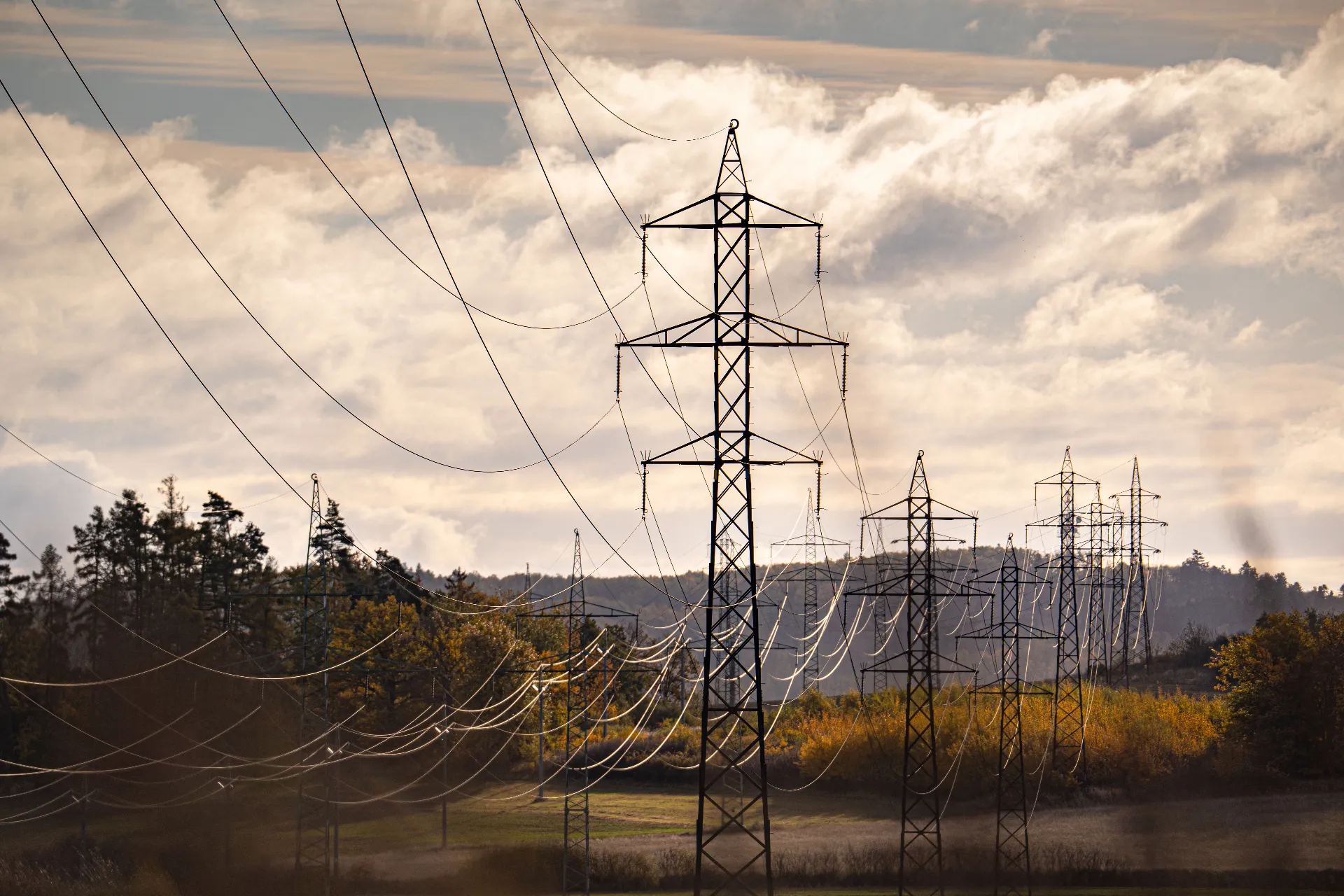
FOUR COUNTRIES SIGN GREEN ENERGY CORRIDOR DEAL
Turkey, Azerbaijan, Bulgaria, and Georgia signed a partnership agreement to link their electricity grids and transmit green power to European markets.
Analysis
Smart, independent reporting on Turkey's politics, economy and foreign affairs.
Turkey, Azerbaijan, Bulgaria, and Georgia signed a partnership agreement to link their electricity grids and transmit green power to European markets.

Authorities launched a tax audit targeting Cengiz Holding, a prominent pro-government conglomerate, but the decision to move the case from Istanbul to Ankara has raised questions. The group is also facing fierce environmental backlash over its partnership in the COP31 climate summit.
In the March 8 election in Baden-Württemberg, Green Party candidate Cem Özdemir came first, edging out the CDU, if only narrowly. So far, so unremarkable. The state has, after all, been governed by the Greens since 2011. But the picture changes when the victor, under the Green banner, is Cem Özdemir.
The EU’s draft “Made in Europe” proposal to support European producers of green technology excludes Turkey from “Europe” but allows the European Commission to determine which non-EU countries can be included in the scheme on a sectoral basis. The Turkish business community is alarmed at the new rules aimed at strengthening European manufacturing against rising competition from China and the U.S., Turkey in Depth learned. Fearing this would create a new hurdle in Turkey’s trade with the EU, business leaders have been lobbying in Brussels, urging officials to consider Turkey as part of Europe. Turkey in Depth has learned that President Recep Tayyip Erdoğan sent a letter to President of the European Commission Ursula von der Leyen regarding the decision.
What happens if Donald Trump were to send Delta Force to “get” Greenland? Would it be the end of NATO, as Denmark’s prime minister suggested? While the validity of NATO’s Article 5 is questioned, allies feel they can no longer rely on U.S. nuclear protection. In times of great power competition mid-size regional powers tend to forge alliances to consolidate their security.
France, Britain and Ukraine signed a joint “statement of intent” after a meeting of the Coalition of the Willing in Paris, where nearly 30 Western leaders gathered. According to the statement, Britain and France will deploy troops to Ukraine in case of a peace agreement with Russia. Turkey is envisaged to take the lead in maritime security elements in the Black Sea.
MHP Chair Devlet Bahçeli said there was no problem with the rally calling for the release of Abdullah Öcalan to be held by the DEM Party in Diyarbakır on Jan. 4, 2026.
When I say Turkey is a European power, pro-government pundits often react with visible discomfort. Yet, President Recep Tayyip Erdoğan’s message on European security is a testament to Turkey’s geostrategic positioning as a European power.
President Recep Tayyip Erdoğan and French President Emmanuel Macron held a phone call on Aug. 21, their first direct contact since the NATO summit in June. The two leaders discussed Russia’s war in Ukraine, the crisis in Gaza, and bilateral cooperation, with Erdoğan again stressing Ankara’s interest in deepening defense ties with France. Both later shared posts on X, tagging each other in messages that underlined common concerns but also revealed different priorities. On bilateral ties, Erdoğan said Turkey valued closer cooperation with France, particularly in the defense industry, and wanted to keep advancing relations across multiple fields. Ankara has long sought approval from Paris to procure European air-defense systems. A green light for the sale of Eurosam GIE’s SAMP/T could accelerate Turkey’s plan to build its own missile shield, described as a “steel dome,” within two to three years.