
CALLS FOR CONSTITUTIONAL COURT TO OVERTURN INTERNET BLOCKS
Scores of journalists, activists, and politicians gathered outside the Constitutional Court Oct. 7 to protest censorship of social media accounts.
Analysis
Smart, independent reporting on Turkey's politics, economy and foreign affairs.
Scores of journalists, activists, and politicians gathered outside the Constitutional Court Oct. 7 to protest censorship of social media accounts.
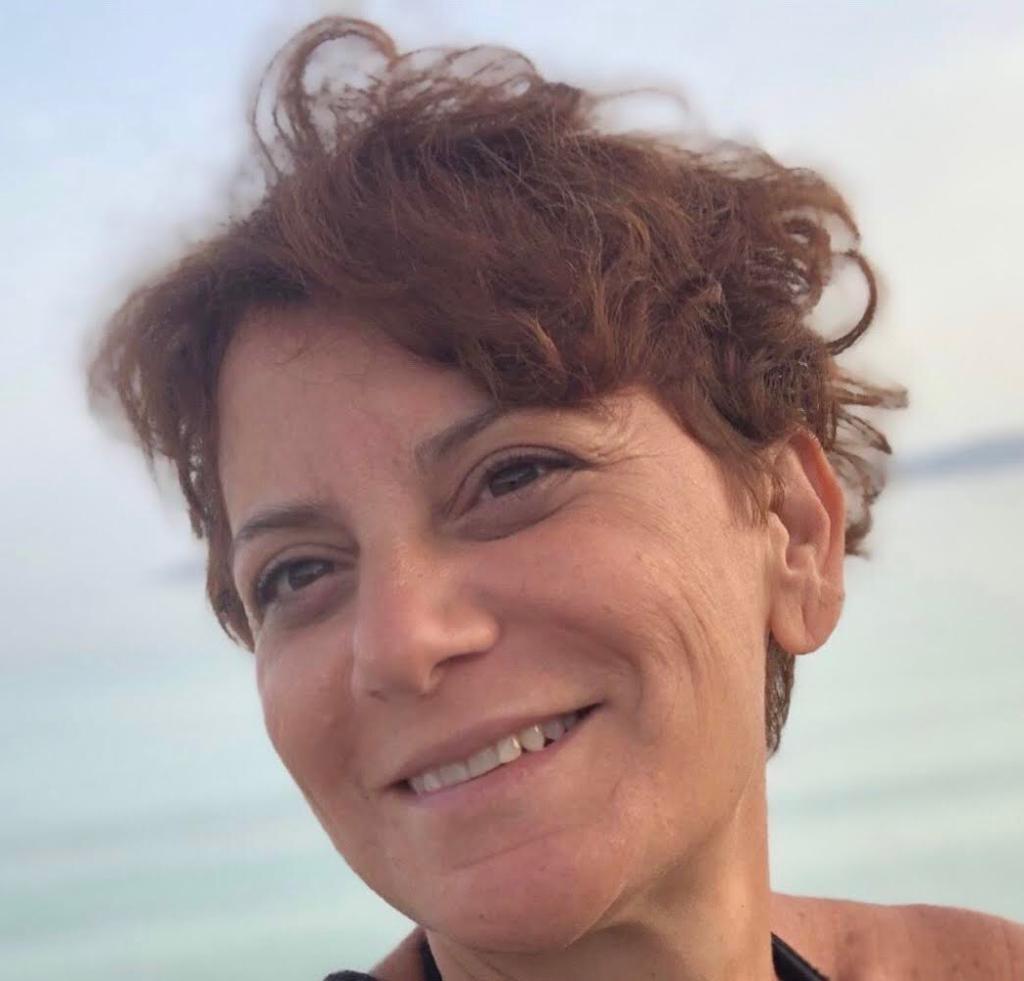
Fatma Betül Sayan Kaya is a politician who has figured prominently in the latest investment fund scandal. She and her husband made staggering sums from funds in a very short time.
Clouds are gathering over opposition politicians. Each new development makes them darker. Judicial rulings block opposition parties at every turn.
The parliamentary commission formed to pave the way for a new Kurdish peace process remains stuck over whether its members should visit jailed PKK leader Abdullah Öcalan. A planned session of the commission has been postponed once again, even as hopes rise for the release of imprisoned Kurdish politician Selahattin Demirtaş following a third ruling by the European Court of Human Rights (ECHR).
The drug-using operation that started with artists in October, then extended to sports, media, business and politics, continues with the unlawful sharing of private conversations and denials of drug use despite forensic reports. The names of some prosecutors, politicians and advisers appeared in the investigation early on, yet media coverage has so far remained silent about them.
The CHP has unveiled its new shadow cabinet, touting it as the team that would govern Turkey if elected. However, the lineup has sparked backlash from left-wing critics over the dominance of business figures and center-right politicians occupying key posts. Despite advocating a return to the parliamentary system — where the executive is known as the Council of Ministers and members are elected, not appointed — the CHP has mirrored the presidential model by labeling its team a “cabinet” and appointing shadow cabinet members who are business figures active in the very sectors they oversee.
In Turkish, rüzgâr begins as a simple meteorological fact: the wind that sweeps across the Bosphorus, bends Aegean olive trees and makes wildfires spread uncontrollably. Etymologically, it probably blows in from Persian, once meaning “time, fate, weather,” before narrowing into “wind.” But its real life is in metaphor: the wind that shifts fortune, tests patience, topples governments. In a language where song lyricists routinely confide in the breeze, it was only a matter of time before politicians started doing the same.
Feti Yıldız is not a “latecomer” but a nationalist raised in the movement — a core MHP figure. With the Kurdish peace process, he became the party’s most visible face after Devlet Bahçeli. At 71, he carries the aura of a character who stepped out of the classic Yeşilçam cinema of the 1970s, and onto the political stage — as if he came from there, yet without acting. He simply is who he is. Of course, he is not the lead role; that belongs to Bahçeli. But even if Yıldız looks like a character actor, his strength lies in being exactly what he appears to be. He is not one of those shapeshifting politicians. He steers clear of the MHP’s trademark overblown patriotic rhetoric. He avoids slogans. He usually answers journalists’ questions by staying within the framework of his profession — the law.
A wedding portrayed the complexity and the changing dynamics of political relations in Turkish politics. Veteran politician Mehmet Sevigen, who was expelled from the CHP in 2021 and appears on TV screens as a sharp commentator against the CHP under Özgür Özel, managed to unite a range of opponents at his son’s wedding.
Tufan Erhürman became the new president of Northern Cyprus in Sunday’s election—winning twice as many votes as incumbent Ersin Tatar. Erhürman is a familiar name among Turkish Cypriots but not to the Turkish public. A seasoned politician who has served both as prime minister and party leader, he joins a line of Cypriot leaders whose names rarely surface in Turkey outside moments of crisis. Yet, like some of his predecessors, Mehmet Ali Talat and Mustafa Akıncı—both presidents from the same social-democratic tradition—his story also crosses paths with Ankara’s academic and political world.
Veteran Kurdish politician Ahmet Türk of the DEM Party has been acquitted of charges of promoting terrorist propaganda over a 2011 speech in Siirt, which had formed the legal basis for his replacement by a trustee as mayor of Mardin.
During a party debate, veteran AKP politician Bülent Arınç once distinguished himself from his comrades by declaring, “I have a certain weight of my own.” Though Arınç’s own weight has faded over the past decade, if one were to search for true “political weight” in today’s Turkey, one name stands out above all: Devlet Bahçeli. Having led the MHP for 28 years, Bahçeli has always been a force shaping Turkish politics—but in recent years, as part of the ruling People’s Alliance, he has become almost the determining factor in many critical decisions.