TURKEY STANDS TO PASS US LOYALTY TEST
The Trump administration has handed NATO allies a list of questions within the framework of an ongoing six-month Pentagon review of American forces in Europe.
Analysis
Smart, independent reporting on Turkey's politics, economy and foreign affairs.
The Trump administration has handed NATO allies a list of questions within the framework of an ongoing six-month Pentagon review of American forces in Europe.

Foreign Minister Hakan Fidan welcomed the dissolution of the Syrian Democratic Forces (SDF), expressing satisfaction while emphasizing the need to verify implementation on the ground.
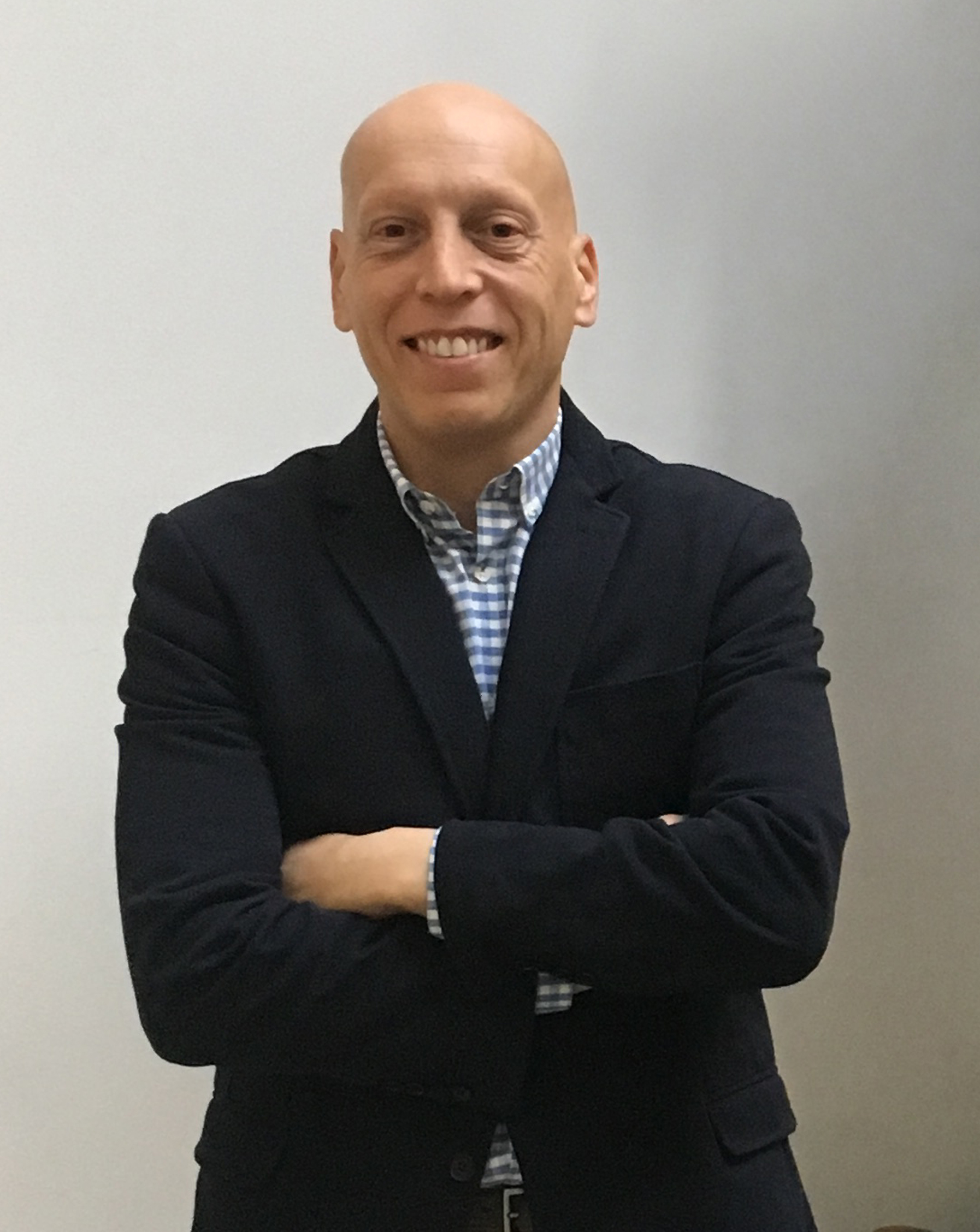
Naval Forces Commander Admiral Tatlıoğlu will remain a candidate for a cabinet post in any upcoming reshuffle by President Erdoğan.
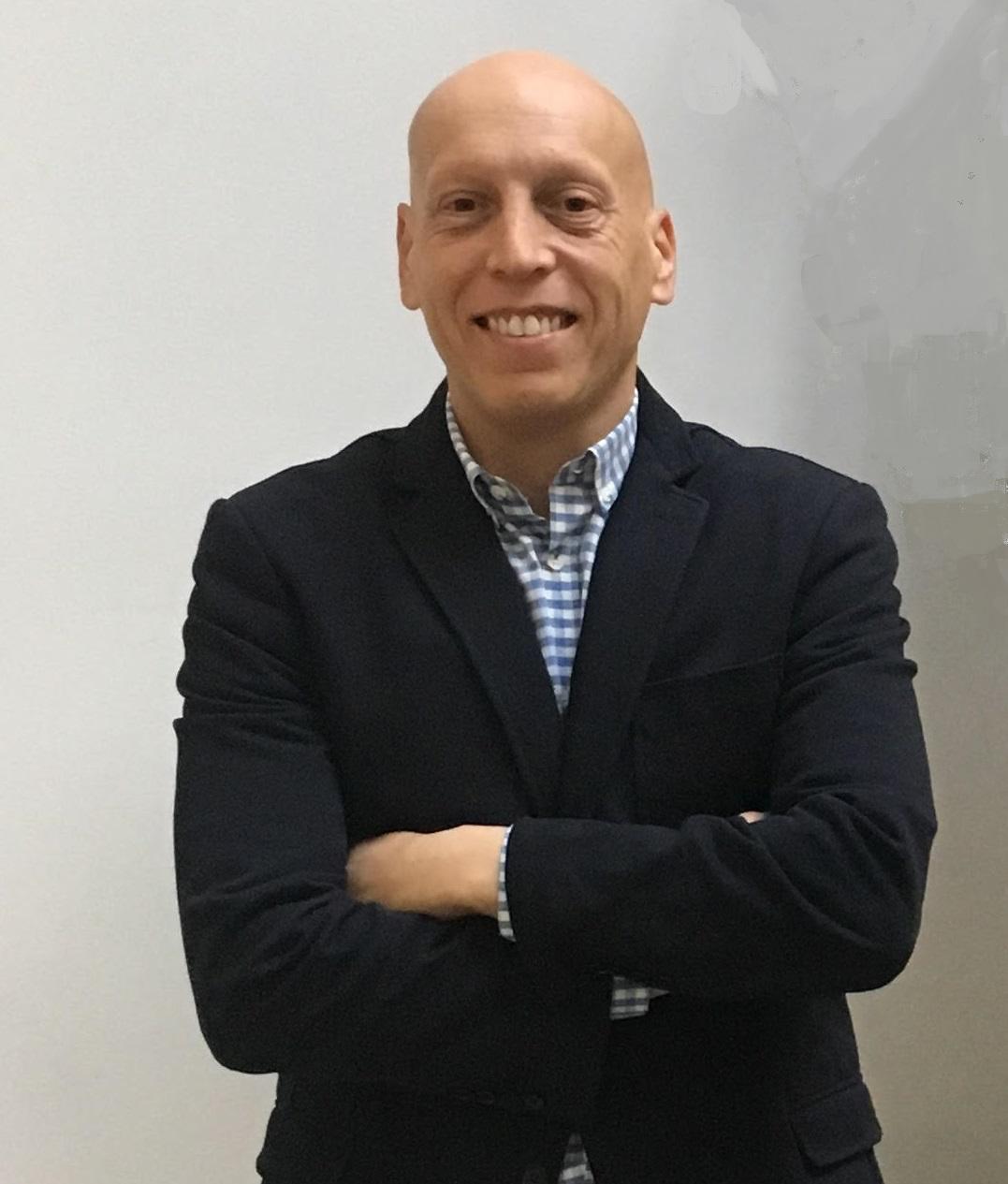
Following the NATO Summit in Ankara, significant changes are expected within the top command echelons of the Turkish Armed Forces.
NATO has further reinforced the air defense it provides for Turkey, despite the agreement between the US and Iran to end the war.
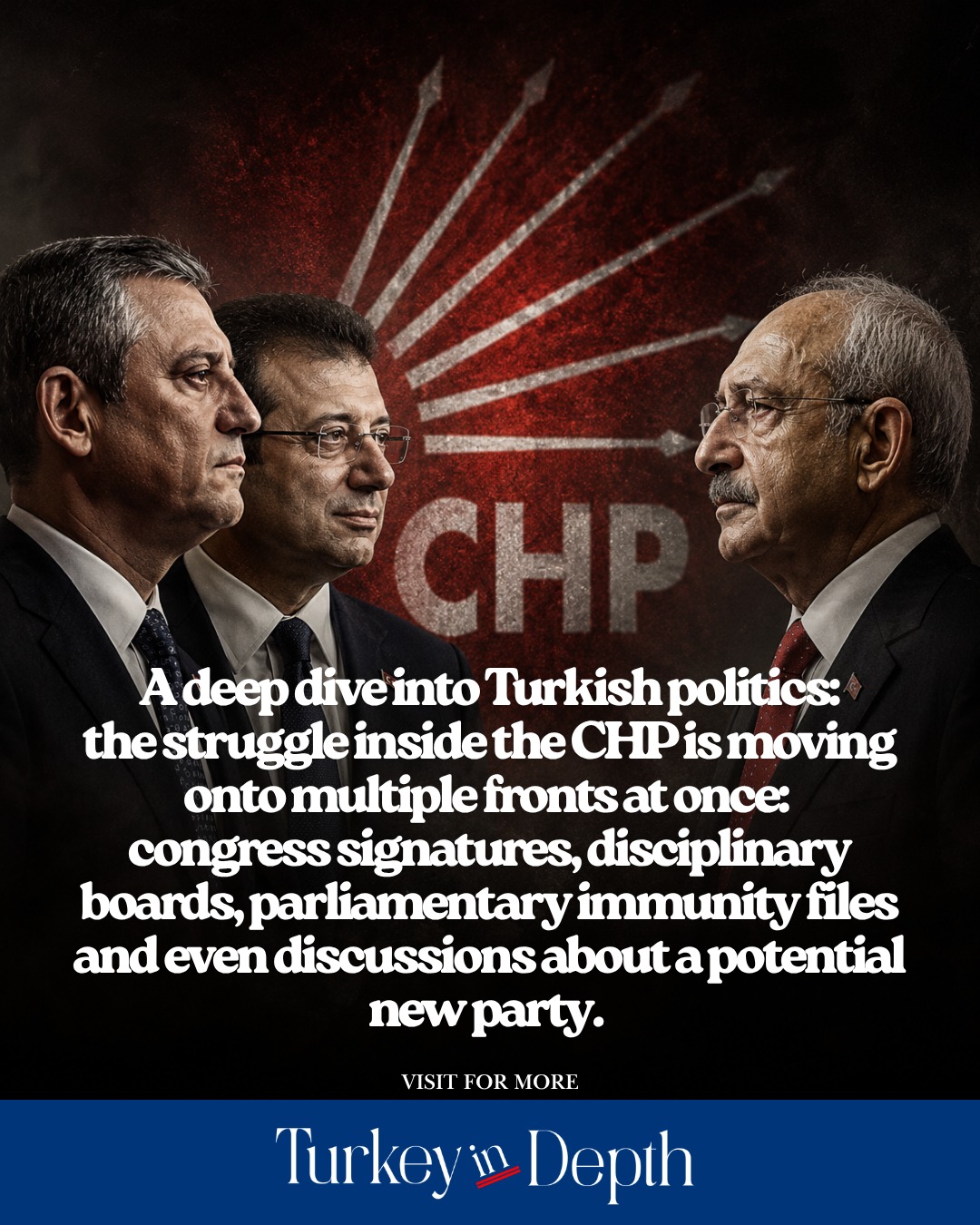
Since the court voided the CHP's 2023 party congress, the main opposition has been unable to untangle the knot — and each new court decision pulls it tighter. The question is whether the party can hold an extraordinary congress to break the deadlock. But the forces shaping what comes next run deeper: when and how the CHP headquarters under Kemal Kılıçdaroğlu, 77, will move to press disciplinary charges, expelling some figures; whether the parliamentary immunity of ousted chair Özgür Özel, 51, and his allies — implicated by recent testimonies from Antalya and Uşak — will be lifted; and when a new party will be established.
Following the consensus between Syria’s interim government and the Syrian Democratic Forces (SDF), momentum has returned to Turkey’s long-running efforts to end the decades-long armed conflict and address the Kurdish question through political and legal channels. This renewed dynamic has also pushed the “right to hope” for PKK leader Abdullah Öcalan back to the center of the political agenda.
The expected has happened. The “new peace process,” now more than a year old, has fallen under the shadow of Syria. Map-altering clashes between the new Damascus government and the Syrian Democratic Forces (SDF), whose backbone is formed by Kurds, have driven a wedge between the AKP-MHP ruling bloc and the DEM Party in Turkey.
Just three days after Tel Aviv announced its decision to recognize Somaliland, Ankara moved to reinforce its position, with Turkish President Recep Tayyip Erdoğan meeting Somali President Hassan Sheikh Mohamud in Ankara on Dec. 30.
Developments in Syria are emerging as a potential block to Turkey’s push for Kurdish peace. With the March 10 Agreement between the Syrian Democratic Forces (SDF) and Damascus nearing its implementation deadline, Ankara is increasing pressure for compliance.
The Turkish Armed Forces has been testing joint operations capabilities after a rapid increase in the number of national defense industry products in its inventory, primarily electronic warfare and air defense systems, warships, and unmanned aerial vehicles. Baykar's AI-powered mini cruise missile Kemankeş-1 continues to undergo firing tests from the strategic-class Bayraktar Akıncı UCAV. “The Kemankeş smart munitions integration and testing activities carried out with the Akıncı strategic UAV platform, capable of flying at an altitude of 40,000 feet, provide serious indications of Turkey's hyper warfare capacity development,” Dr. Can Kasapoğlu, senior researcher at the Hudson Institute, said.
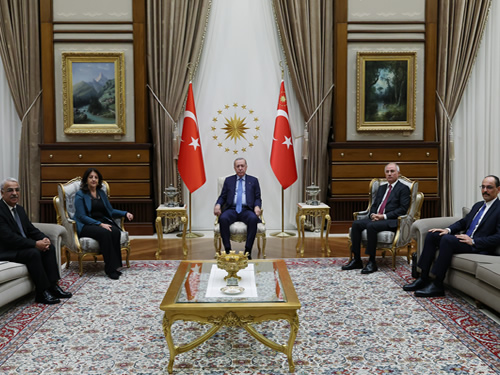
President Recep Tayyip Erdoğan hosted the DEM Party’s İmralı delegation, as the parliamentary commission listened to Foreign Minister Hakan Fidan and Justice Minister Yılmaz Tunç for the first time since the PKK announced that all its forces in Turkey had begun withdrawing to northern Iraq.