
F-16S TO FLY USING NATIONAL SOFTWARE
A critical milestone has been reached in the modernization project for F-16s with the completion of acceptance tests for mission planning software.
Analysis
Smart, independent reporting on Turkey's politics, economy and foreign affairs.
A critical milestone has been reached in the modernization project for F-16s with the completion of acceptance tests for mission planning software.
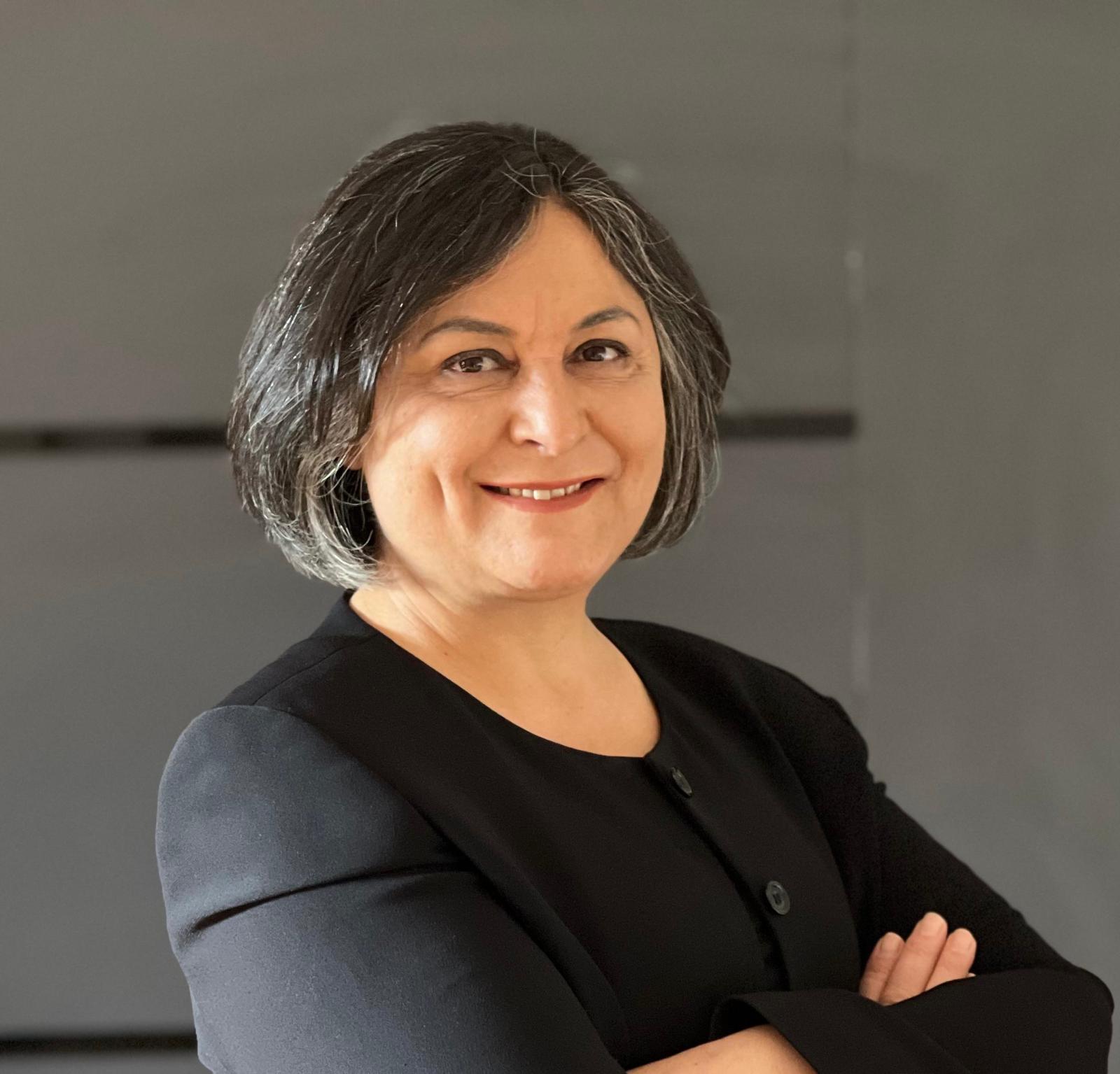
The PKK’s disarmament, which has now stretched beyond a year and a half, has stalled at precisely the most critical stage — the point at which the state is expected to take action. Unless the government softens its precondition that “the disarmament process must first be fully completed,” the expected legal steps will likely be postponed until the new legislative year in October. The risks posed by delay are being discussed and meanwhile it also appears set to derail the transformation plans of the DEM Party, which has already started the countdown to a congress.
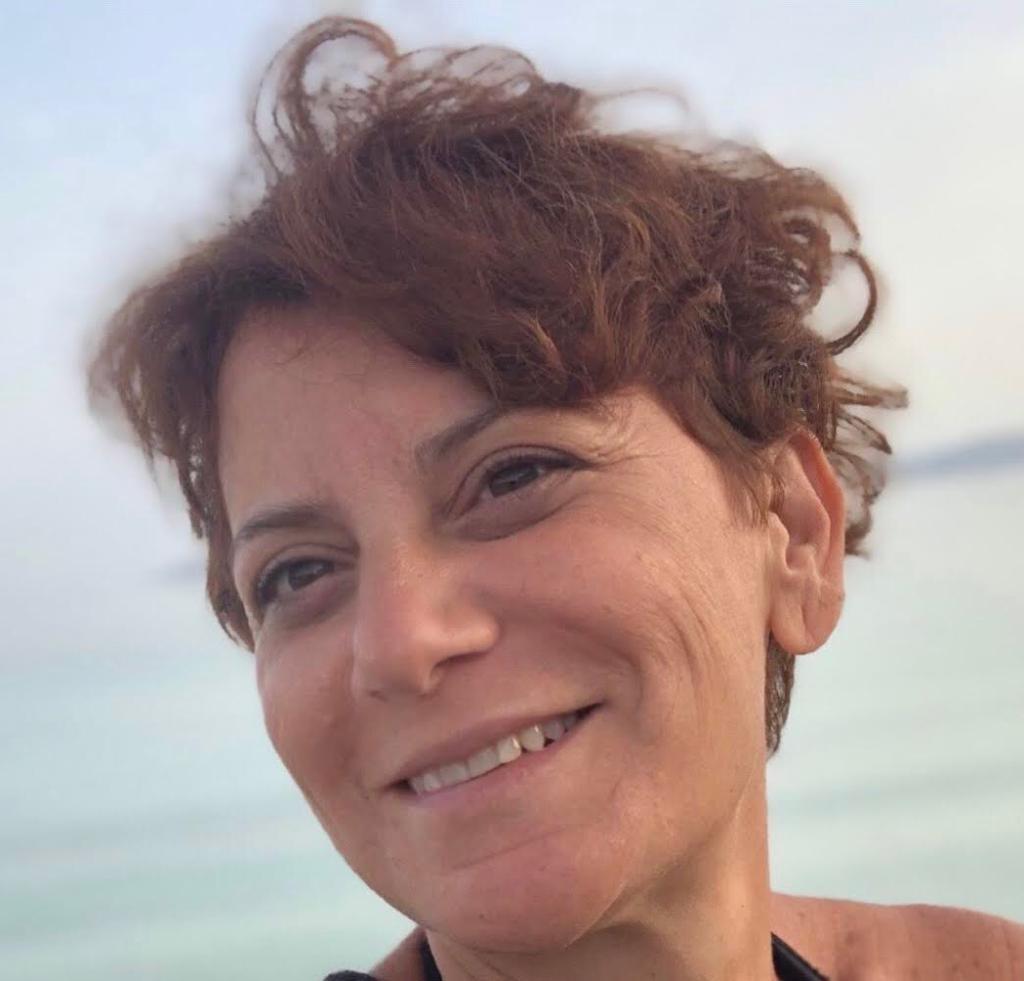
Bakım, or care, is one of those deceptively soft words, the sugar coating over a complex vitamin pill, a soft towel draped over the hard machinery of an economy. It suggests tenderness and love. What it rarely suggests is exhaustion, lost income, or the quiet arithmetic of inequality.
Few Turkish words arrive with less subtlety than füze. Borrowed from the French fusée, it sounds clipped, metallic and modern. It is a word that pierces a sentence rather than softly enters it, except when used in slang. In the mid-20th century, füze was slang for breasts that projected upward; the opposite of pide, or flat, breasts. It is a small linguistic reminder of how the male gaze has long blended the language of warfare with that of desire.
Turkish defense and software company HAVELSAN said its Flight Training Device Level 2 simulator for Boeing 737 Next Generation aircraft has received FNPT II MCC and FTD Level 2 certification, making it the first platform produced and certified at this level in Turkey.
NATO will buy communications software from Havelsan, the Ankara-based defense IT provider.
“When good bureaucrats retire, they go to Istanbul,” quipped a Turkish diplomat at his farewell dinner several years ago. He was about to join the steady flow of ex-ambassadors and senior officials who settle comfortably into Istanbul’s glamorous private sector. While these bureaucrats enjoy Istanbul’s cosmopolitan delights and lucrative board positions, politicians with unsatisfied ambitions would do well to think twice. The graceful transition from bureaucracy-laden Ankara to Istanbul’s cultural and economic limelight might be liberating—but for politicians, it often signals the end of the line. Take Abdullah Gül, who leads the parade of high-profile politicians who found themselves in Istanbul once their grip on Ankara slipped. Gül, the soft-spoken Number Two to Erdoğan at the founding of AKP, left the presidency in 2014 with considerable bitterness, feeling sidelined by Erdoğan and his team. Settling first in Tarabya’s Presidential Palace and then in a private villa in Beykoz, he became a figure whom former allies and even foes sought out for advice on new parties, and periodically as a possible challenger to Erdoğan. Yet, Gül never took the plunge, proving that the view from Istanbul is often one of wistful distance from real political clout.