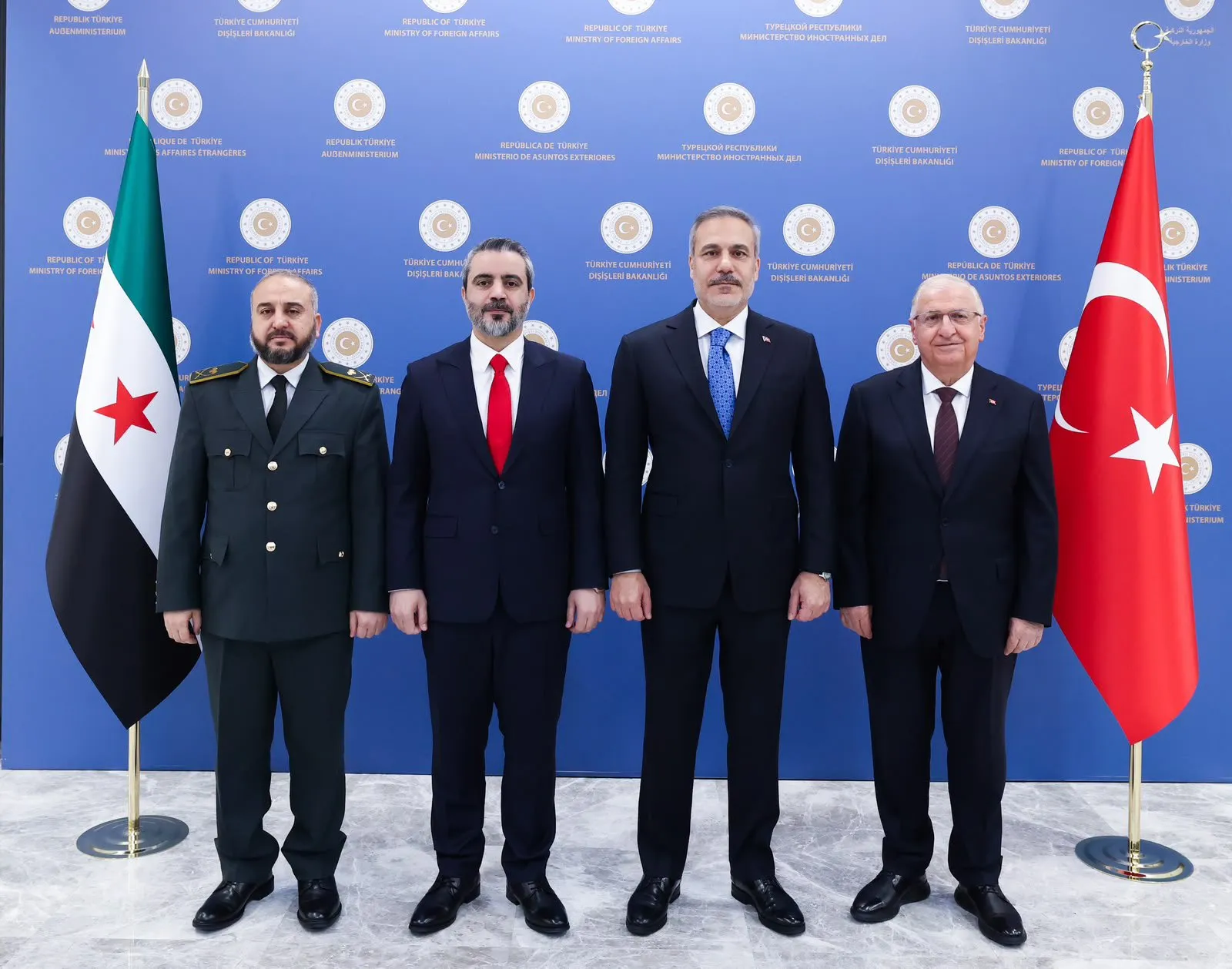
FIDAN CALLS FOR ‘ONE STATE, ONE ARMY’ IN SYRIA, MEETS US ENVOY
Ankara has stepped up its Syria diplomacy via back-to-back talks with Damascus and Washington.
Analysis
Smart, independent reporting on Turkey's politics, economy and foreign affairs.
Ankara has stepped up its Syria diplomacy via back-to-back talks with Damascus and Washington.

An operation by the Syrian army targeting Kurdish neighborhoods in Aleppo has fueled tensions in Ankara between the two main actors of Turkey’s peace process, even as President Recep Tayyip Erdoğan says he remains optimistic for a resolution in the southern neighbor.
A series of aircraft crashes related to the Turkish Armed Forces over the past six months has sparked debate over whether there was external interference.
The Air Force, which has been unable to procure new fighter jets for over 20 years because of foreign policy obstacles, lost another fighter jet on Feb. 25, reducing the number of F-16s in its inventory to 233. Thus, the number of fighter jets in active service fell from approximately 450 to 252 over the same period.
A dangerous escalation has erupted between Damascus forces and the Syrian Democratic Forces (SDF) in two strategically important neighborhoods of Syria’s northern city of Aleppo. As clashes intensified, evacuation notices, issued Dec. 8. by Syria’s central government in the two key districts, have raised the possibility of a military operation. Simultaneously, the Defense Ministry said that Turkey would support an expected Syrian army operation in Aleppo “if requested.”
Amid renewed clashes between the Syrian government and Kurdish-led militia in Aleppo, the Turkish Defense Ministry said that the Turkish army would support the operation if Damascus requested assistance.
Training for Syrian military forces by the Turkish Army has begun in accordance with the Joint Training and Advisory MoU signed between the two countries on Aug. 13, the Defense Ministry announced.
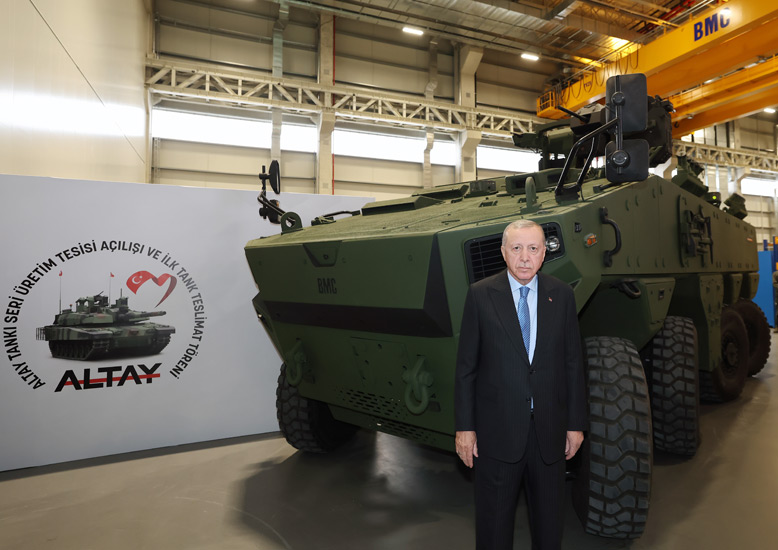
The first Altay tank was delivered to the army on Oct. 28, crowning a three-decade push to develop and produce a domestic main battle tank. The project, launched by a 1996 decision of the Defense Industry Executive Committee, aimed to build an indigenous tank using locally developed technologies. However, the finalized model relies on South Korean-made engines and transmission systems.

Turkish democracy is the casualty of Europe’s rediscovery of Turkey’s strategic value. To better understand the context of German Chancellor Friedrich Merz’s visit to Ankara next week, one has to go back to the end of the Cold War. Whereas European countries have benefited from the peace dividend, the contrary happened for Turkey in the aftermath of the fall of the Iron Curtain. After enjoying the relative stability of the bipolar order of the Cold War era, Turkey found itself in the midst of several conflict zones. While most European countries downsized their defense budgets, Turkey had no such luxury. The fight against separatist terrorism, the turbulence created by the Gulf War, and regional conflicts like the ones in the Caucasus dictated the maintenance of a big and well-equipped army.
Following last year's oath-taking crisis at the Army War College graduation ceremony, this year's ceremonies were held under very strict security measures.
The Syrian Democratic Forces (SDF) rejected U.S. Ambassador to Ankara and special envoy for Syria Tom Barrack’s demands to withdraw from Raqqa, Deir ez-Zor, Hasakah, and Tabqa and surrender weapons, stating they plan to integrate gradually into the Syrian army rather than disarm.
In the most dramatic leadership overhaul at the armed forces pension fund since the 2016 coup attempt, retired Lt. Gen. Zekai Aksakallı—a key figure in thwarting the coup—has been named chairman of the giant fund.