TWO FACES OF THE PROCESS: DISARMAMENT, YES. DEMOCRATIZATION, NOT YET
Two years into the PKK’s disarmament process, fears of stalling have resurfaced. DEM Party Co-Chair Tuncer Bakırhan put it plainly: “The pace of the process has slowed.”
Analysis
Smart, independent reporting on Turkey's politics, economy and foreign affairs.
Two years into the PKK’s disarmament process, fears of stalling have resurfaced. DEM Party Co-Chair Tuncer Bakırhan put it plainly: “The pace of the process has slowed.”

Losing votes over the fund scandal and shaken almost daily as new figures with party links are exposed, the AKP government launched its election campaign early.
Authorities launched a tax audit targeting Cengiz Holding, a prominent pro-government conglomerate, but the decision to move the case from Istanbul to Ankara has raised questions. The group is also facing fierce environmental backlash over its partnership in the COP31 climate summit.
Sweeping reforms to capital markets institutions will hinge on a State Audit Council (DDK) report on the multi-billion-dollar investment fund scandal, with President Recep Tayyip Erdoğan awaiting its findings before taking action.
On Jan. 20, 1921, as the War of Independence was still being fought, the Grand National Assembly adopted a Constitution whose first article began: Sovereignty belongs unconditionally to the nation (Hâkimiyet bilâ kaydü şart milletindir). On Oct. 29, 1923, the assembly added another sentence to that same article: The form of government of the Turkish state is the Republic (Türkiye Devletinin şekl-i hükûmeti Cumhuriyettir).
Azerbaijan’s President Ilham Aliyev, declined President Recep Tayyip Erdoğan’s invitation to attend the summit of the Organization of Turkic States, scheduled for the day after Turkey’s Republic Day, marking one of the biggest crises in the two countries' close relationship. Despite Ankara’s visible steps to defuse the recent tension, his refusal to come on a date carrying symbolic importance for Turkey attests to the changing dynamics in the relationship since the military victory over Nagorno-Karabakh in 2020.
Sinem Dedetaş, the elected mayor of Istanbul’s Üsküdar district, was released to house arrest on Oct. 29, offering the Yeni Party a rare reprieve as prosecutors press ahead with operations against opposition-run municipalities.
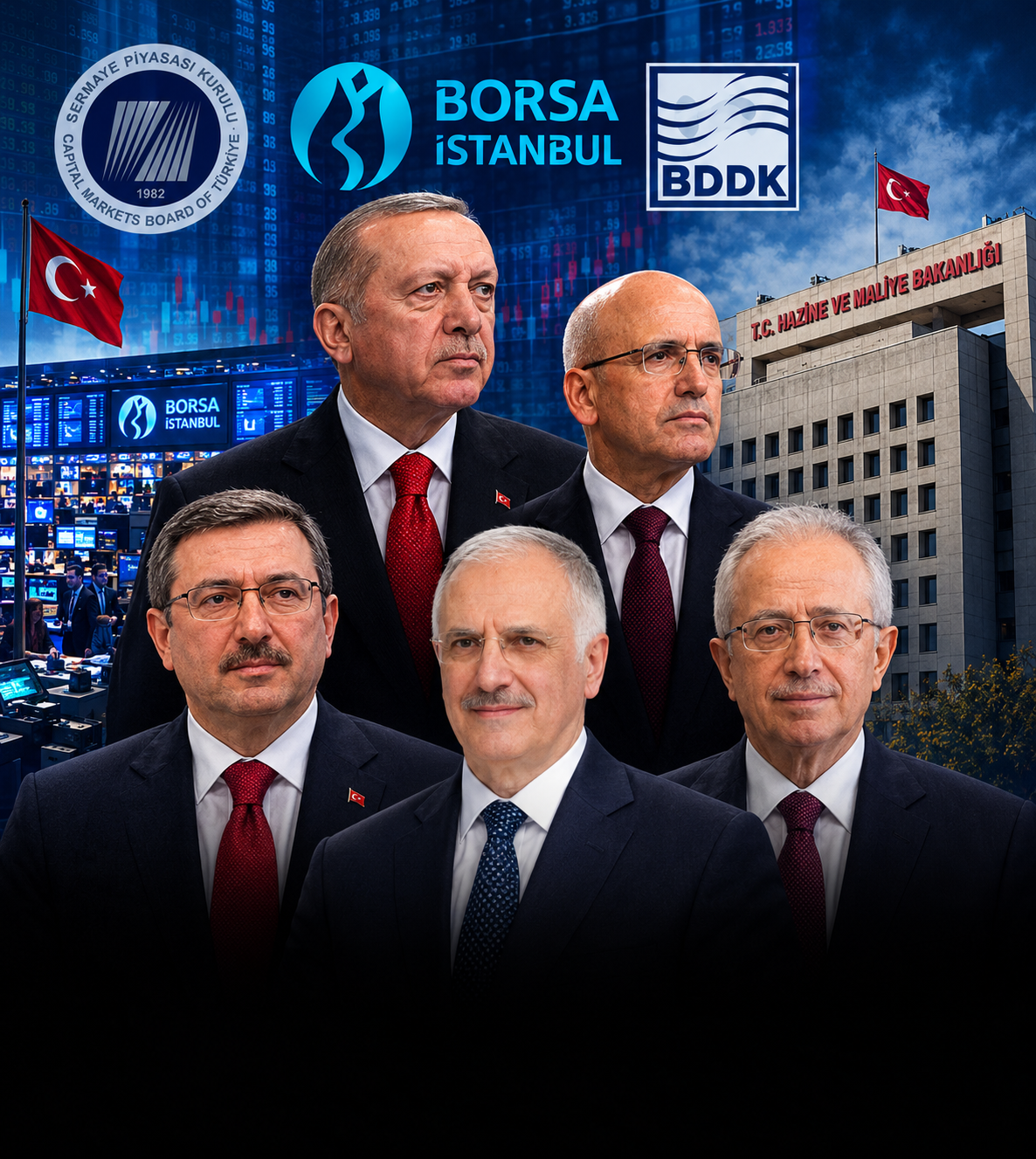
The crisis in Turkey’s Ponzi-style fund industry is heading for deadlock as the government refuses to disclose the 141 people and 73 companies that each made more than 100 million liras in unjust gains despite opposition demands for transparency.
To get off the streets in the winter time and have access to food, a homeless man in the Mediterranean resort Alanya insulted President Recep Tayyip Erdoğan since he had nowhere to live. The court sent him to prison as he wanted, reportedly not for the first time, while thousands of people try to escape from similar legal cases.
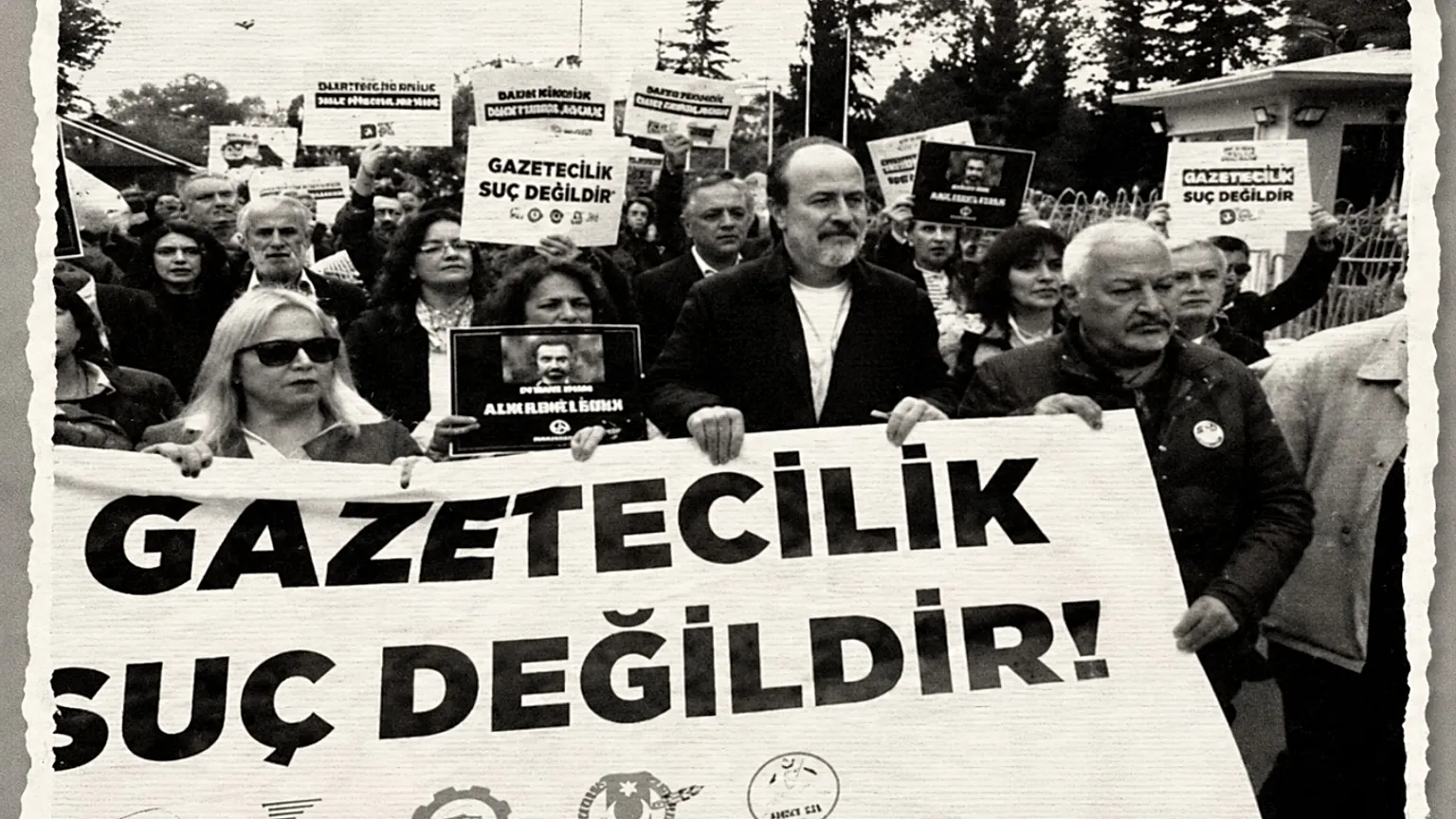
Journalists will take to the streets on Oct. 24 to urge the government to end the detentions, arrests, blockages, access bans and all kinds of pressure on media members as the crackdown escalated after the liquidation of investment funds.
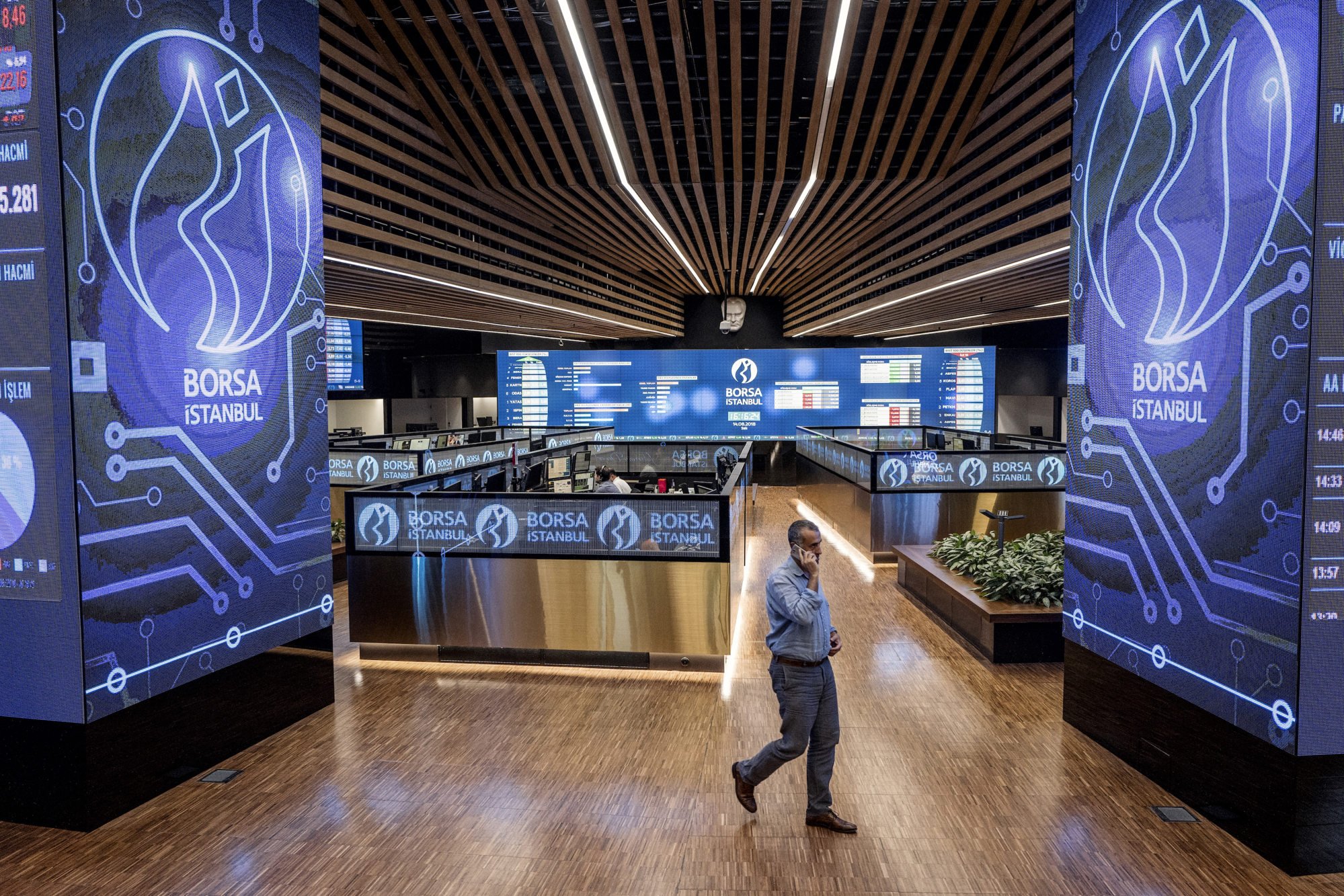
More than a month after the fund collapse occurred, the shockwaves continue to rock the stock market. The crisis wiped out trillions of liras in corporate market capitalization and drove key valuation metrics to multi-year lows in Borsa Istanbul.
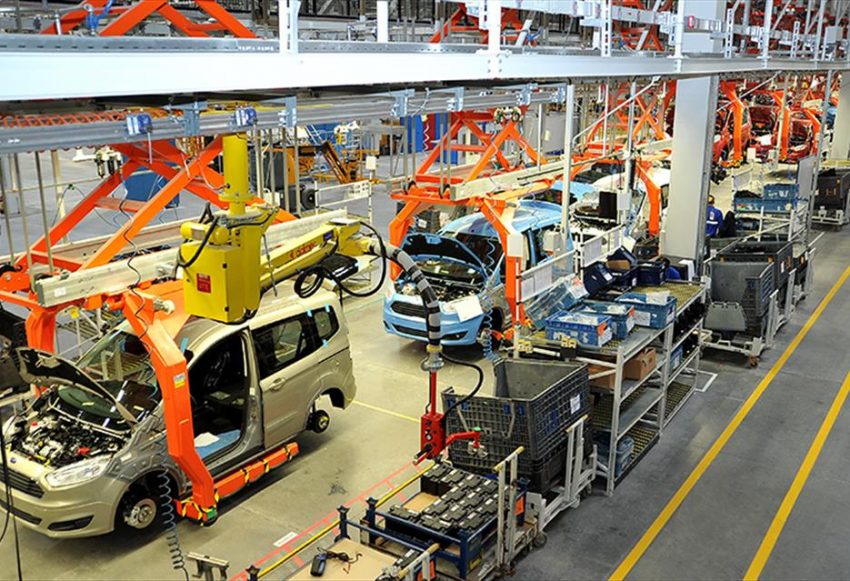
Turkey’s automotive sector is fighting a rearguard battle in Brussels after France and Germany agreed on Oct. 16 to a “Made in Europe” definition that includes the UK and Norway but leaves Turkey out.