
CENTRAL BANK SPENDS $23.5B IN TWO WEEKS TO DEFEND LIRA
The central bank spent approximately $23.5 billion in foreign exchange interventions during the first two weeks of the Iran war to defend the Turkish lira.
Analysis
Smart, independent reporting on Turkey's politics, economy and foreign affairs.
The central bank spent approximately $23.5 billion in foreign exchange interventions during the first two weeks of the Iran war to defend the Turkish lira.
A new U.S. tariff move targeting countries that do business with Iran is placing billions of dollars of Turkey’s trade at risk, with exports to the United States and energy trade with Iran most exposed.
Under the agreement signed between Turkey and the U.K., the £5.4 billion payment to the Eurofighter consortium for 20 Typhoon fighter jets was not included in either the Defense Ministry’s budget or the Defense Industry Presidency's (SSB) budget. The Defense Industry Support Fund (SSDF) can be used as a source of funding for this project, but the cost of the Typhoons is approximately double the annual amount transferred to the fund from taxes collected by the state.
The Defense Ministry’s budget, 623.9 billion lira in 2025, is set to increase 31.9% to 822.9 billion lira in 2026, according to figures released during parliamentary budget talks Nov. 26. This allocation does not cover Turkey’s latest procurement of Eurofighters.
The financial crisis facing companies in Turkey is deepening as the amount of non-performing loans from banks exceeded 519 billion lira as of the week of Oct. 24. In the January-October period of 2025, the number of companies granted a temporary moratorium on debt repayment rose to 2,326, a 72% increase year on year.
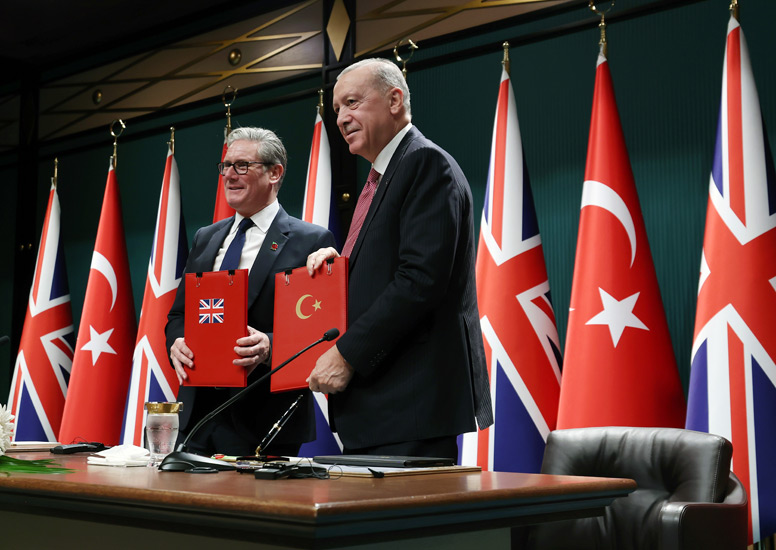
Following lengthy negotiations, an agreement for Turkey to procure 20 Eurofighter Typhoon Tranche 4 fighter jets from the UK was signed in Ankara on Oct. 27. Turkey will increase the number of aircraft in its Eurofighter fleet to 44 by procuring 12 second-hand Typhoons each from Qatar and Oman. The $10.7 billion (£8 billion) payment to the U.K. under the agreement has become a subject of debate in Turkish domestic politics, as the details of the package were not announced.
Funding for space research was increased from 5 billion lira to 8.7 billion lira, but Turkey's first lunar landing project was postponed for another year, according to the 2026 budget bill submitted to Parliament.
The Turkish Presidency spent more than 32 million lira per day in 2024, according to financial records shared by the Court of Accounts. The annual total reached 12.57 billion lira, a significant increase over the previous year, BirGün reported.
Tax inspections generated an additional 15 billion lira ($360 million) by targeting high earners who had not filed income tax returns.
Here at the tail end of the tourist season, the word of the week writes itself: konukseverlik, hospitality, or, in its Ottoman-tinted oldspeak, misafirperverlik. Every guidebook swears Turks are preternaturally welcoming; the national branding machine isn’t shy about it either. Yet while “hospitality” is the country’s trusty calling card, the numbers are more than brochure copy. Turkey received 23.6 million foreign visitors in the first half of 2025, marking an increase of 15.9% year-on-year, as tourism revenues hit a record $24.6 billion. By July, official arrivals had topped 31.2 million, the second-highest January–July tally on record.
Foreign direct investment (FDI) in Turkey rose 27% year-on-year to $6.3 billion in the first half of 2025, led by inflows from the Netherlands and Kazakhstan, according to the International Investors Association (YASED).
Turkey and Syria have reached consensus on 10 new agreements with a target of $5 billion in trade.