
DEFENSE MINISTRY URGES SDF TO INTEGRATE, PLEDGES CONTINUED SUPPORT TO DAMASCUS
The Defense Ministry urged the Syrian Democratic Forces (SDF) to integrate with the central government and pledged sustained support for the Damascus administration.
Analysis
Smart, independent reporting on Turkey's politics, economy and foreign affairs.
The Defense Ministry urged the Syrian Democratic Forces (SDF) to integrate with the central government and pledged sustained support for the Damascus administration.
As negotiations between Damascus and the Syrian Democratic Forces (SDF) stalled following the loss of two Aleppo neighborhoods from its control, Foreign Minister Hakan Fidan said the Syrian government would take steps to exercise its sovereign right to ensure unity and order within the country if needed.
After Damascus launched a military operation against the Syrian Democratic Forces (SDF), the ruling AKP-MHP alliance linked the trajectory of Turkey’s peace process to developments in Syria.
A dangerous escalation has erupted between Damascus forces and the Syrian Democratic Forces (SDF) in two strategically important neighborhoods of Syria’s northern city of Aleppo. As clashes intensified, evacuation notices, issued Dec. 8. by Syria’s central government in the two key districts, have raised the possibility of a military operation. Simultaneously, the Defense Ministry said that Turkey would support an expected Syrian army operation in Aleppo “if requested.”
The integration of the Syrian Democratic Forces (SDF) into the Syrian armed forces has entered a critical phase, emerging as one of the central pillars of Syria’s fragile transition following the overthrow of Bashar Assad on Dec. 8, 2024. Syrian Defense Minister Murhaf Abu Qasra said Syria has formally delivered a 13-point roadmap outlining the integration of the SDF into the new administration, with further details expected in the coming days.
As the Peace Commission moves toward drafting its final document — and as legislation looms on the horizon — the key question is whether parliament can transform overlapping objectives into a shared roadmap, or whether the process will once again stall at the fault line between security-first sequencing and demands for democratic and political normalization.
CHP Chair Özgür Özel escalated his rhetoric, urging people to take to the streets in response to what he described as a diminishing role for Parliament. Addressing crowds at public rallies and budget debates in Parliament, Özel emphasized the historic weight of legislative authority. “The right to control the budget is humanity’s greatest democratic achievement. Parliament is not born of the budget — the budget is born of Parliament,” he said.
Images of Kurdistan Democratic Party (KDP) leader Masoud Barzani accompanied by uniformed peshmerga fighters wearing red berets and carrying assault rifles weapons in Şırnak sparked outrage — particularly from MHP Chair Devlet Bahçeli — and drove the Interior Ministry to investigate itself.
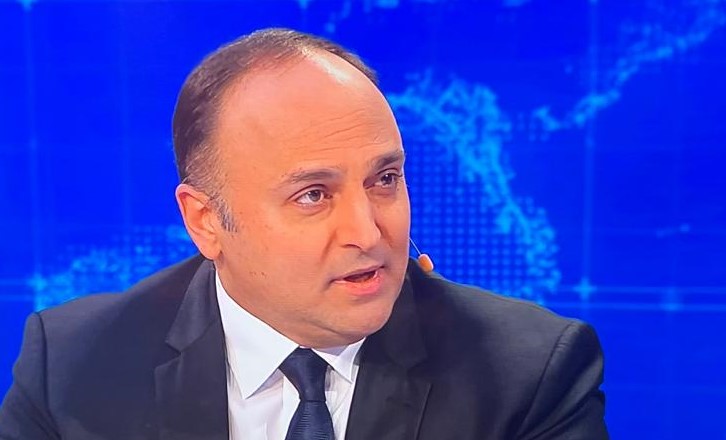
The election of Tufan Erhürman as president of Northern Cyprus rekindled hopes for renewed negotiations with the Greek Cypriots.Erhürman’s opening statements — stressing democratic tolerance, representation and the need to reopen talks under UN auspices with political equality as his “red line” — set a constructive tone: “There are no losers in this election. The Turkish Cypriot people won, our children won, our brotherhood won.” Yet those words of unity sit alongside firm warnings: political equality cannot be treated as a bargaining chip, and any new process must have meaningful limits and commitments from the outset.
Tufan Erhürman became the new president of Northern Cyprus in Sunday’s election—winning twice as many votes as incumbent Ersin Tatar. Erhürman is a familiar name among Turkish Cypriots but not to the Turkish public. A seasoned politician who has served both as prime minister and party leader, he joins a line of Cypriot leaders whose names rarely surface in Turkey outside moments of crisis. Yet, like some of his predecessors, Mehmet Ali Talat and Mustafa Akıncı—both presidents from the same social-democratic tradition—his story also crosses paths with Ankara’s academic and political world.
Foreign Minister Hakan Fidan warned Syrian Democratic Forces (SDF) that Turkey would not stand idly by when its security is threatened, as Ankara and Damascus signed a new defense cooperation deal.
The Syrian Democratic Forces (SDF) rejected U.S. Ambassador to Ankara and special envoy for Syria Tom Barrack’s demands to withdraw from Raqqa, Deir ez-Zor, Hasakah, and Tabqa and surrender weapons, stating they plan to integrate gradually into the Syrian army rather than disarm.