TRUMP COMES TO ANKARA —BUT AT WHAT COST FOR NATO?
According to some, NATO has to become more European in order to remain more Transatlantic. The “Europeanization” of NATO will certainly be the key focus of the Ankara summit in July.
Analysis
Smart, independent reporting on Turkey's politics, economy and foreign affairs.
According to some, NATO has to become more European in order to remain more Transatlantic. The “Europeanization” of NATO will certainly be the key focus of the Ankara summit in July.

As the war between the US-Israel and Iran disrupts global energy routes, Turkey is trying to transform the regional crisis into an opportunity to offer security of supplies.
Turkey needs more long-range and defensive missiles, according to the National Security Academy (MİA), a branch of the Turkish intelligence agency MİT.
This year’s Munich Security Conference (MSC) held lively discussions on the global security environment, especially in Europe, and the collapse of the rules-based international order. Strained transatlantic relations, the Ukrainian War, and Iran, all burning matters for Turkey, were on the agenda. Figures such as Marco Rubio, Friedrich Merz, Emmanuel Macron, and Volodymyr Zelenskyy reached global audiences from the MSC. Turkey was not heard.
Akın Gürlek, the prosecutor who has overseen several high-profile cases involving members of the CHP, became justice minister four days after European Commissioner for Enlargement Marta Kos visited Ankara.
Trustees have been appointed to 23 companies owned by Aziz İhsan Aktaş, a key figure in operations targeting CHP-run municipalities, and the companies have been transferred to the Savings Deposit Insurance Fund (TMSF).
Is cooperation among nationalist parties possible? What are the prospects and obstacles? Turkish politics has been polarized into two main blocs since the transition to the presidential system: the AKP on one side and the CHP on the other. While the AKP kept parties like the MHP, BBP, and HÜDA-Par in its orbit, the CHP advanced by forging open or tacit alliances with the DEM Party and İYİ Party. But this opposition front collapsed after the defeat in the 2023 elections.
CHP Chair Özgür Özel sparked a political storm by accusing a senior AKP figure of bribing a businessperson to testify against Istanbul Mayor Ekrem İmamoğlu. The CHP leader also suggested that the AKP had used dirty tricks to push CHP Aydın Mayor Özlem Çerçioğlu to transfer to the AKP on the 24th anniversary of the ruling party. Just two hours before the AKP’s celebrations, Özel said that former AKP Central Decision and Executive Board member and lawyer Mücahit Birinci asked imprisoned businessperson Murat Kapki to pay $2 million and promised his release in return for signing a false statement.
The PKK’s disarmament, which has now stretched beyond a year and a half, has stalled at precisely the most critical stage — the point at which the state is expected to take action. Unless the government softens its precondition that “the disarmament process must first be fully completed,” the expected legal steps will likely be postponed until the new legislative year in October. The risks posed by delay are being discussed and meanwhile it also appears set to derail the transformation plans of the DEM Party, which has already started the countdown to a congress.
A historic sanatorium on Heybeliada — the island also known as Halki — is set to be transferred to the Directorate of Religious Affairs for the second time, after a previous transfer was annulled by a court. The move comes as the same island is at the center of another religious question: the possible reopening of the Greek Orthodox Halki Seminary.
An Istanbul court accepted an indictment against DW Turkish correspondent Alican Uludağ, ruled it had no jurisdiction over the case, and then transferred the file to Ankara.
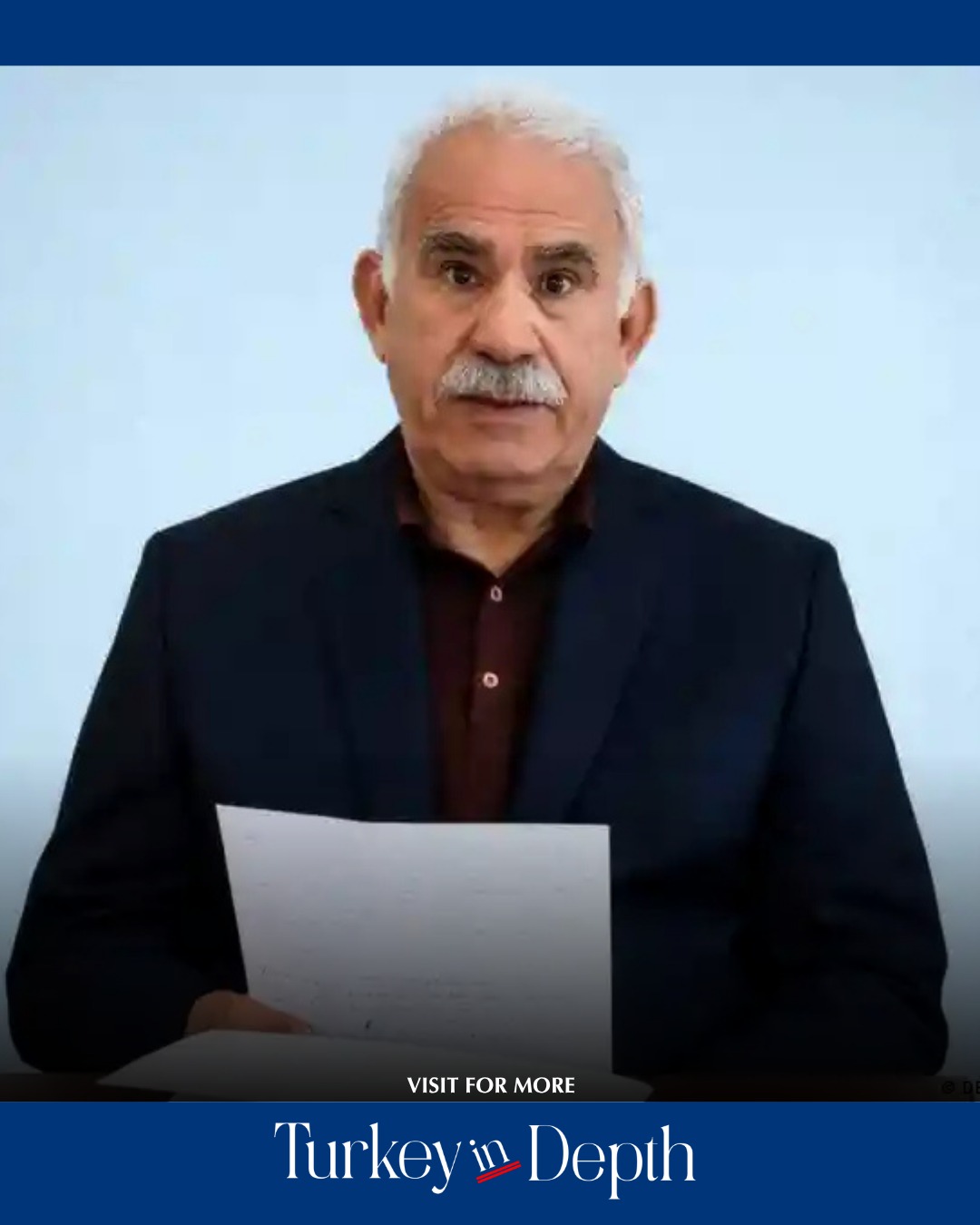
The DEM Party is pushing the government to take legal steps to clarify PKK leader Abdullah Öcalan’s status, including the allocation of a house on İmralı Island, yet the government is buying time without providing clarity on the transition law.