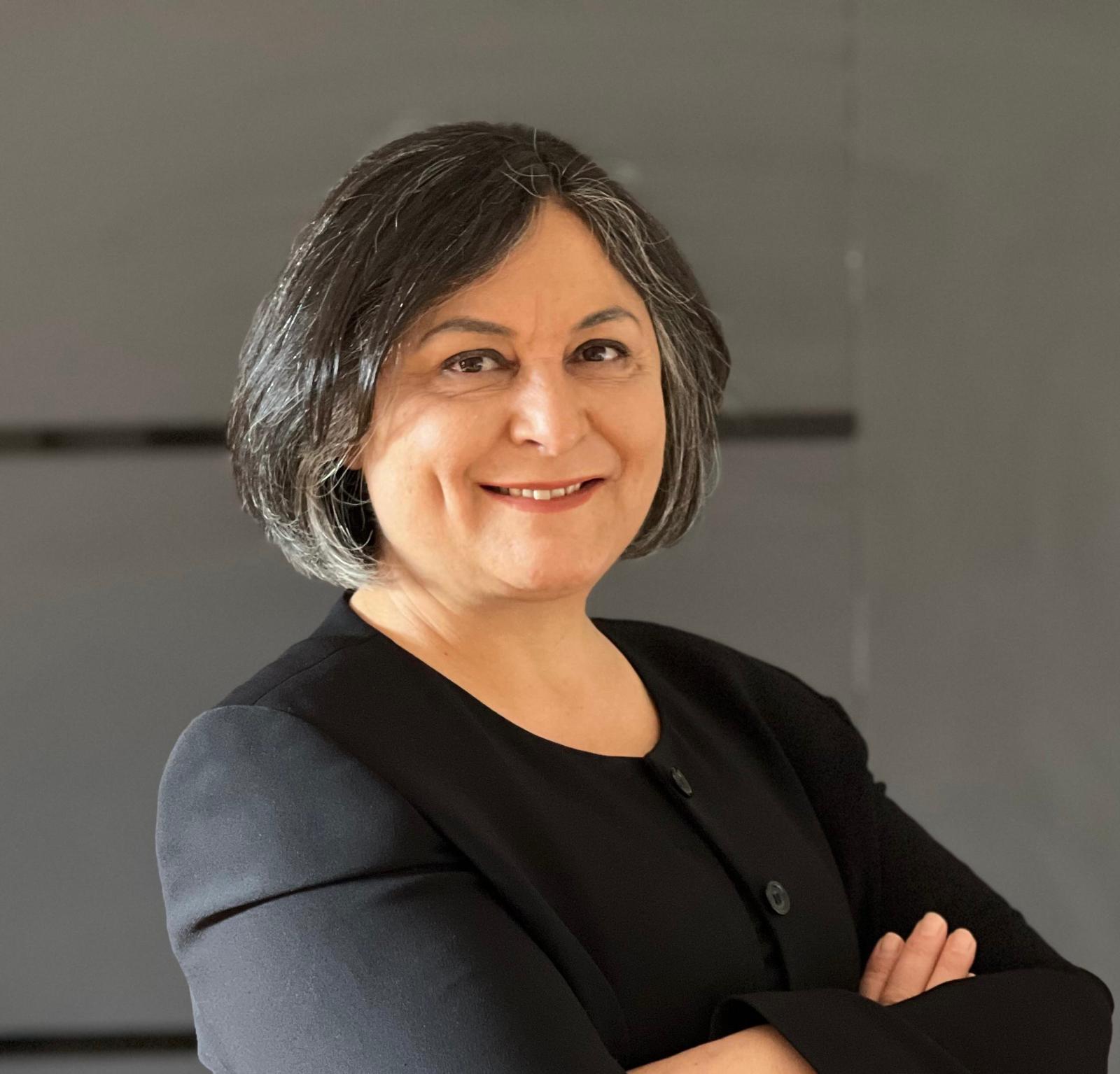
A SILENT STORM WITHIN THE MHP
Imagine an organized crime network, protected and fed by political connections that it steadily expands.
Analysis
Smart, independent reporting on Turkey's politics, economy and foreign affairs.
Imagine an organized crime network, protected and fed by political connections that it steadily expands.

In a rare diplomatic spat in the local language, the Russian and French diplomatic missions in Ankara traded barbs on social media over the ongoing war in Ukraine amid the war’s anniversary. The dispute, which drew attention from Turkish users, shifted from geopolitical accusations to historical insults and the use of emojis.
The CHP was shaken by the resignation of Ankara’s Keçiören Mayor Mesut Özarslan, but the political momentum shifted after the AKP did not move forward with his expected transfer, leaving him politically isolated. CHP Chair Özgür Özel challenged President Recep Tayyip Erdoğan to publicly pin an AKP badge on Özarslan amid speculation he would join the ruling party.
Legal pressure on the main opposition CHP continued as allegations of drug use were expanded to include relatives of Ekrem İmamoğlu’s wife, while prosecutors finalized a separate “political espionage” indictment against the imprisoned presidential candidate. At the same time, an Istanbul court ordered the release of a high-profile mayor held on corruption charges, marking a notable shift in the broader judicial process. As a significant development in the ongoing corruption trials, the court ordered the release of Adana Mayor Zeydan Karalar, who had been in detention since July. Karalar became the first CHP mayor to be freed since the start of the Aziz İhsan Aktaş case on Jan. 27. Eight other employees of several municipalities were also released.
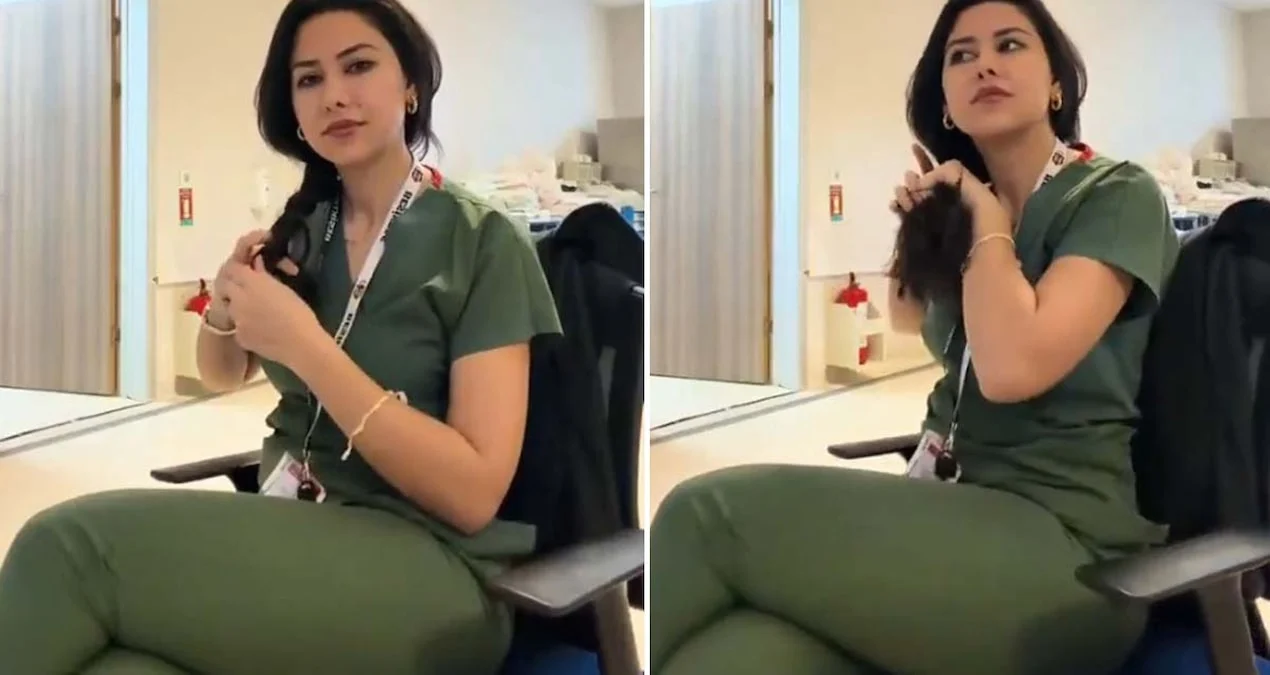
A symbolic protest emerged after images circulated on social media showing the cut hair of a woman allegedly killed in Syria, in areas formerly under the control of the Syrian Democratic Forces (SDF). The images sparked a wave of solidarity in Turkey, where activists, health workers, and even a football club adopted hair-braiding as a form of protest—prompting legal and political repercussions.
Turkey joined Damascus, welcoming the victory of Syrian government forces and the defeat of the Syrian Democratic Forces (SDF), which further strained the ongoing peace process. Tensions in the political arena rose after a Turkish flag was brought down during the DEM Party’s group meeting in the border town of Nusaybin, neighboring Qamishli. The name of the person who brought down the Turkish flag was not shared by the government, but an investigation was launched, while the DEM Party described the incident as a provocation, recalling similar instances from the past.
A new political dispute has erupted after AKP’s Istanbul branch began running ads on billboards criticizing the Istanbul Municipality, giving the impression that an election campaign is already underway.
Turkey’s main opposition party is recalibrating its political strategy, reviving a discourse of 'normalization' in a calculated bid to dismantle the country’s deep-seated polarization and lure voters from the governing alliance.
As the Peace Commission moves toward drafting its final document — and as legislation looms on the horizon — the key question is whether parliament can transform overlapping objectives into a shared roadmap, or whether the process will once again stall at the fault line between security-first sequencing and demands for democratic and political normalization.
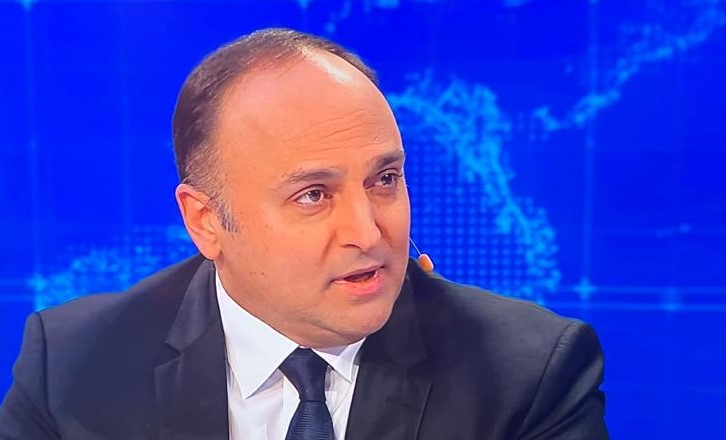
The newly released U.S. Strategic Security paper signals the most significant shift in American grand strategy since the end of the Second World War. Its defining features are the explicit identification of China as a peer competitor, the reaffirmation of Russia as a principal adversary, and—perhaps most striking—the retreat from the ideological mission that once sustained “the West” as a political and civilizational project.
The opening line of the anthem of Mülkiye, the prestigious Political Science Faculty of Ankara University, declares a single mission: we exist so that the state does not collapse, so that the country does not cry. The “we” here is not a party or a leader’s entourage. It is a cadre trained to answer to something longer than a parliamentary term.
The political parties represented in the parliamentary commission — tasked with supervising the Terror-Free Turkey initiative — have started submitting their reports to the speaker of Parliament. But both the governing bloc and the opposition appear far from agreeing on a common “solution law.”