
APPAREL MAKERS TURN TO SYRIA AND UZBEKISTAN
Rising labor and production costs are forcing Turkish apparel manufacturers to seek new low-cost hubs, turning to Syria and Uzbekistan after previously expanding into Egypt.
Analysis
Smart, independent reporting on Turkey's politics, economy and foreign affairs.
Rising labor and production costs are forcing Turkish apparel manufacturers to seek new low-cost hubs, turning to Syria and Uzbekistan after previously expanding into Egypt.
The central bank has resumed one-week repo auctions after a nearly six-month pause, an operational shift that effectively lowers market funding costs and paves the way for official policy rate cuts.
Turkey's tourism industry, long considered an economic powerhouse, is struggling to achieve expected revenue growth this year as inflation drives up costs and diverts customers elsewhere.
The central bank kept its benchmark policy rate unchanged at 37% during its Monetary Policy Committee meeting on July 23, matching market expectations. However, business leaders are increasingly complaining about high borrowing costs, tight credit restrictions, and falling industrial output.
During the AKP’s 33rd Consultation and Assessment meeting in Sapanca, lawmakers criticized Finance Minister Mehmet Şimşek over soaring living costs and low retirement pensions.
There is a way of establishing a working relationship with U.S. President Donald Trump. First you have to make sure you see him as a smart, respectable world leader. That’s the easy part. Then you have to lure him with trade deals, making sure he is the winning side. Therefore, it comes as no surprise when Turkey unilaterally dropped its retaliatory tariffs on U.S. products on Sept. 22, a few days before the scheduled meeting between President Recep Tayyip Erdoğan and U.S. President Donald Trump at the White House. Buzzwords are important for Trump, and tariff is one of them. The tariffs, which covered products including passenger cars, fruit, rice, tobacco, alcoholic beverages, solid fuels, and chemical products, were introduced in 2018 in response to U.S. tariffs on steel and aluminum imports enacted during Trump's first term in office.
I had every intention of writing about düğün/wedding this week. Who could resist, after all, the cinematic absurdity of Jeff Bezos’s Venetian wedding extravaganza? It was the sort of wedding you'd rage over for its sheer insouciance over war, poverty, and environmental concerns: a three-day floating carnival of tuxedoed billionaires, Brazilian butts and a $2,000 bottle of tequila airlifted across continents because, apparently, Venice no longer has liquor stores. The bride wore archival Dolce & Gabbana; Ivanka looked pretty in pink and a German-Turkish Bezos lookalike desperately wanted to meet the couple and present a wedding gift. I was far too ready to bitch about arrogant extravagance and muse on Turkish weddings, those long, loud, gold-pinned affairs where uncles compete in folkloric footwork and everyone pretends the damat's family is not agonizing over the costs…
Preparations for the COP31 climate summit, set to be held in Antalya on Nov. 9-20, are fueling controversy over costs, procurement methods and forced land seizures.
The government’s efforts to cool down the Turkish economy are falling short as rising energy prices and deteriorating market confidence push inflation targets out of reach.
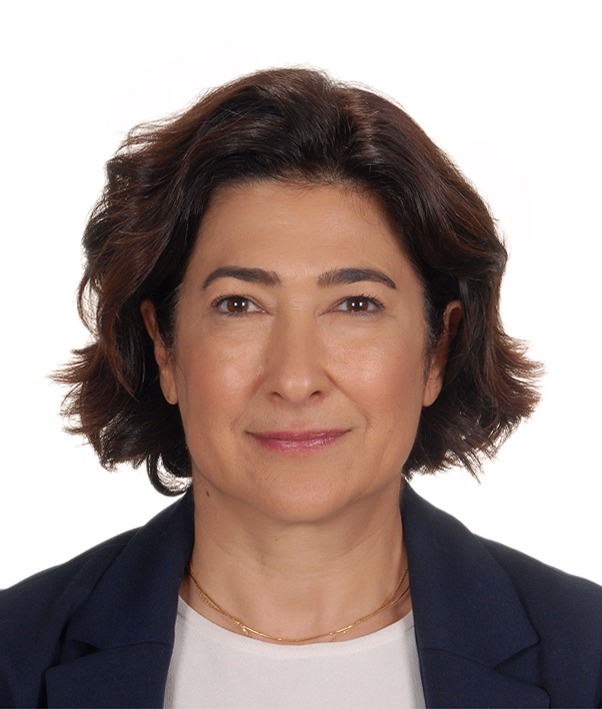
The free trade agreement between the European Union (EU) and India has reopened an old wound in Turkey–EU relations, once again exposing the long-standing impasse over trade integration with Ankara.
The government's push for austerity in the public sector has failed to deliver results. Despite promises to cut costs—particularly through the disposal of surplus vehicles—public institutions spent 161.2 million lira on new vehicle purchases in the first half of 2024, while generating just 5.1 million lira in sales.