
COURT ORDERS BAN ON FATİH ALTAYLI’S YOUTUBE CHANNEL
A Turkish court has ordered a full access ban on journalist Fatih Altaylı’s YouTube channel, citing “national security” and “public order” concerns.
Analysis
Smart, independent reporting on Turkey's politics, economy and foreign affairs.
A Turkish court has ordered a full access ban on journalist Fatih Altaylı’s YouTube channel, citing “national security” and “public order” concerns.
The Banking Regulation and Supervision Agency's latest data shows that income inequality continues in Turkey.
Turkey and Syria have reached consensus on 10 new agreements with a target of $5 billion in trade.
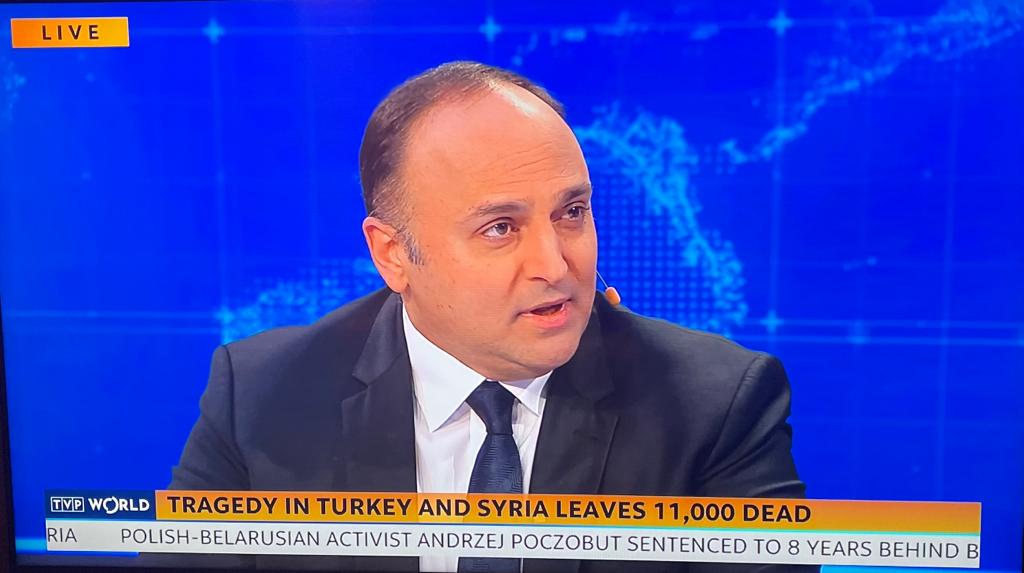
The Eastern Mediterranean has always been shaped by the interplay of northern and southern powers. From the time of the Hittites and Ancient Egyptians to the Ottomans and Mamluks, and through to the present day, control or influence over this region—from Mesopotamia to North Africa—has often rested with one or the other. When Turkey and Egypt were aligned, a degree of order and stability was possible. When they clashed, chaos ensued. History shows us that these two centers of power matter—and they still do today.
As Turkey reels from a major diploma fraud scandal, the main opposition CHP has turned its attention to Foreign Minister Hakan Fidan, questioning the validity of his academic credentials.
Turkey’s Constitutional Court has ruled that former HDP MP Hüda Kaya was unlawfully arrested and that her rights were violated after she was denied access to her file following her detention over the 2014 Kobani protests.
A political feud has erupted between Turkey’s two largest ultranationalist parties—the MHP and its breakaway rival the İYİ Party—over the establishment of a parliamentary commission tasked with preparing for the potential disarmament of the PKK.
With checks and balances eroded and power increasingly centralized, Turkey is facing what may be one of the biggest digital scandals in its history. The online signatures of high-level bureaucrats have been compromised, allowing a criminal network to appoint public servants via the e-State (e-Devlet) system, issue fake diplomas and licenses, forge English proficiency test results and sell properties— raising serious concerns about fraudulent graduates.
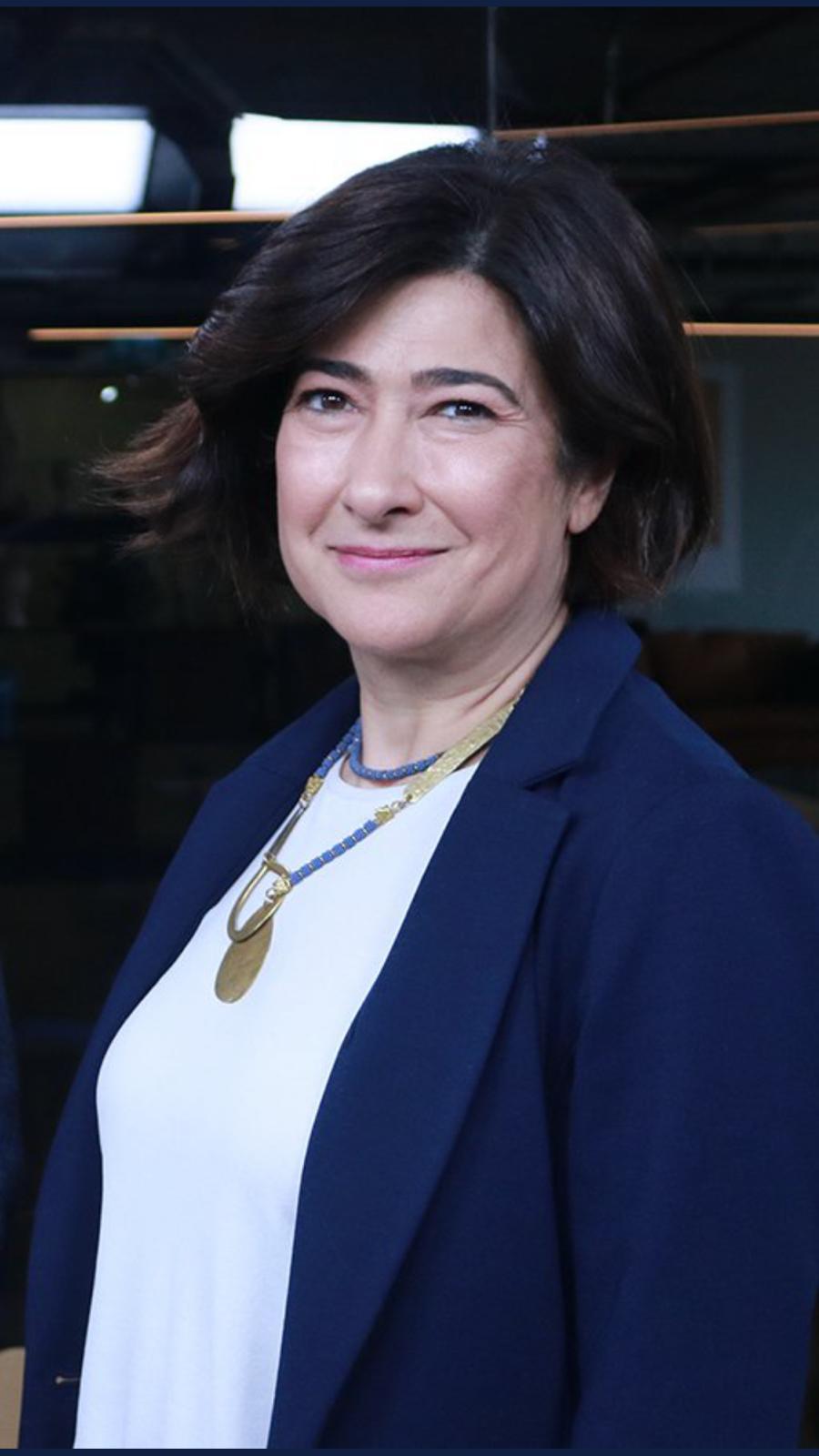
Turks have become so accustomed to living under anomalies for the past decade that anything normal is welcome with great joy. Take the visa issue.
Turkey promoted Colonel Gülden Mat Şakir to become the second female brigadier general in Turkish Armed Forces history.
Twelve Turkish soldiers died from gas exposure in a PKK-used cave in northern Iraq on July 6, and two more from excessive fluid loss in Hatay on July 25, but key questions about both incidents remain unanswered.
As of July 31, all parties represented in Turkish Parliament—except the İYİ Party—have appointed members to join the parliamentary commission on the Kurdish issue, ending debates over which parties would take seats. Attention now turns to the commission’s roadmap, including its official name, agenda, timeline, and decision-making rules. The İYİ Party’s decision to abstain from participation has complicated the calculation of an absolute majority. While Parliament Speaker Numan Kurtulmuş initially announced that the commission would have 51 members, the İYİ Party’s absence reduces the number to 48, raising debate over whether the three-fifths majority should be calculated based on 51 or 48 members.