
ANKARA PLANS SALE OF UAVS TO JAPAN
Ankara wants to sell Japan the ANKA UCAVs produced by TAI and Baykar’s Bayraktar TB2 and TB3 UCAVs.
Analysis
Smart, independent reporting on Turkey's politics, economy and foreign affairs.
Ankara wants to sell Japan the ANKA UCAVs produced by TAI and Baykar’s Bayraktar TB2 and TB3 UCAVs.
With the start of 2026, the future of the peace initiative on the Kurdish issue remains uncertain. The mandate of the National Solidarity, Brotherhood and Democracy Commission, which includes representatives from all parliamentary parties except the İYİ Party, was extended by two months, and the commission has once again delayed finalizing its report, now expected in January.
The integration of the Syrian Democratic Forces (SDF) into the Syrian armed forces has entered a critical phase, emerging as one of the central pillars of Syria’s fragile transition following the overthrow of Bashar Assad on Dec. 8, 2024. Syrian Defense Minister Murhaf Abu Qasra said Syria has formally delivered a 13-point roadmap outlining the integration of the SDF into the new administration, with further details expected in the coming days.
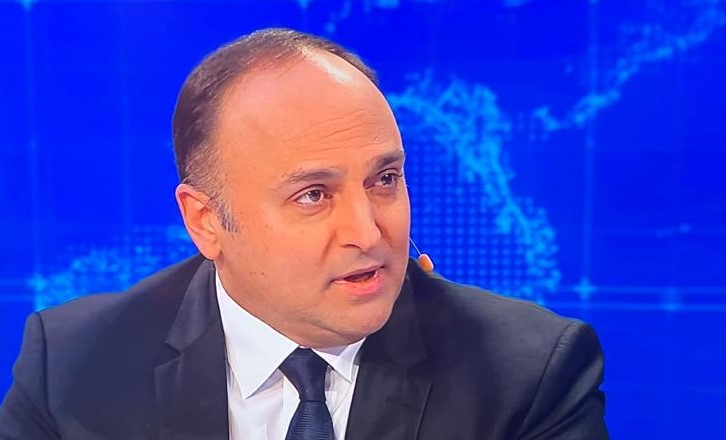
The newly released U.S. Strategic Security paper signals the most significant shift in American grand strategy since the end of the Second World War. Its defining features are the explicit identification of China as a peer competitor, the reaffirmation of Russia as a principal adversary, and—perhaps most striking—the retreat from the ideological mission that once sustained “the West” as a political and civilizational project.
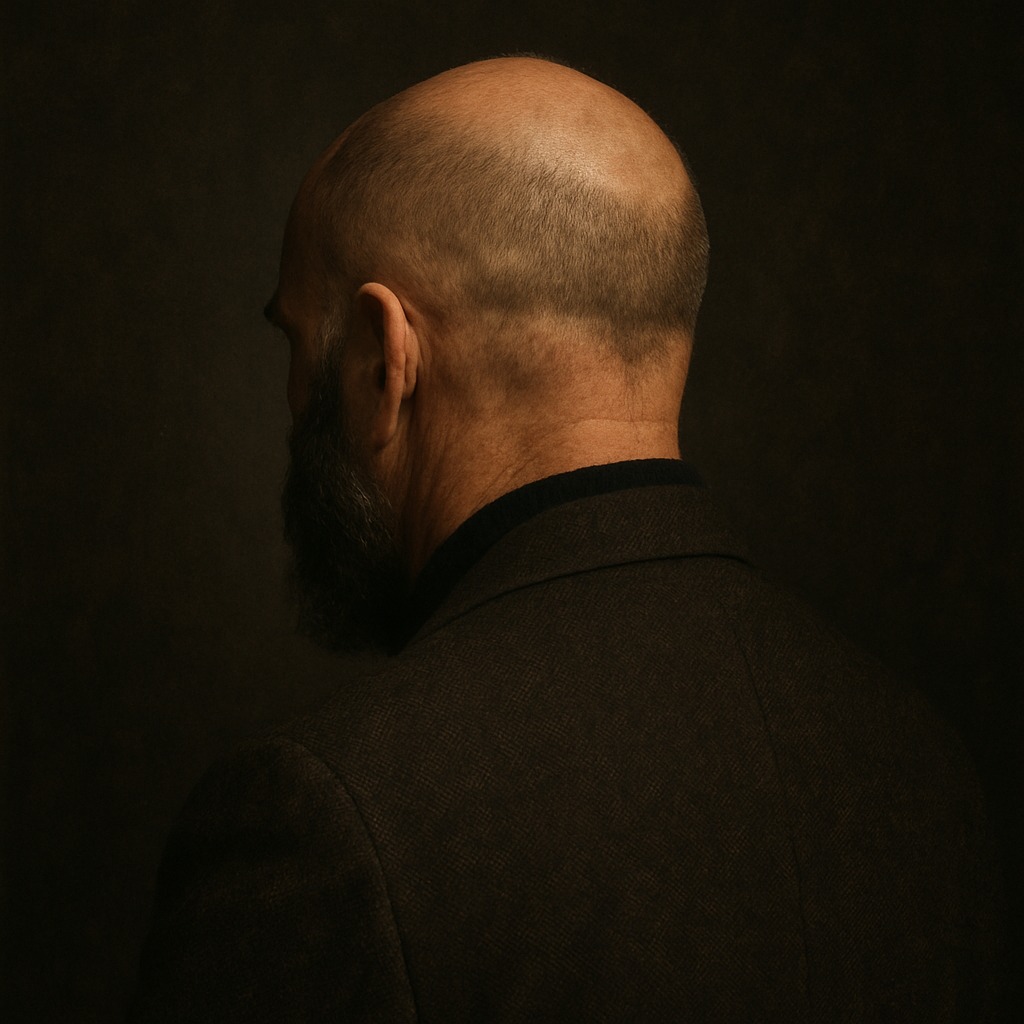
Furkan Karabay, 29, is a journalist and has been detained three times in the past two years. On the 201st day of his latest imprisonment, he was sentenced but released. He refused to present a defense, tearing up the indictment in the courtroom.
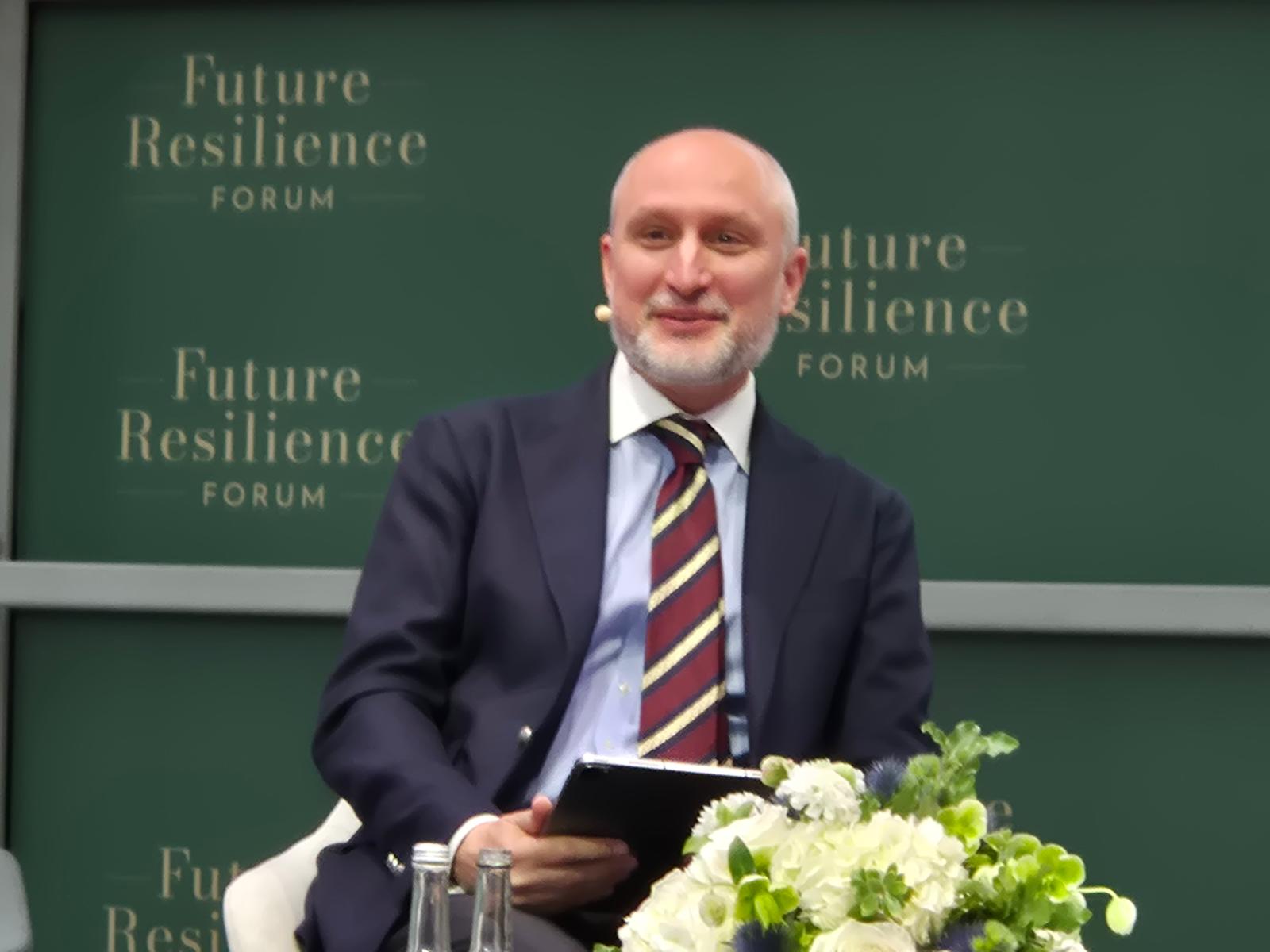
When basketball player Alperen Şengün told an international audience that “rakı is our national drink,” he walked straight into a long domestic war over who is allowed to say “we” in Turkey. The outrage from certain commentators, demanding that the 23-year-old Houston Rockets center be punished for “promoting alcohol,” was predictable, not because of rakı itself, but because symbolic ownership of the drink has become a proxy for symbolic ownership of the nation.

When Ukraine’s leader Volodymyr Zelenskyy landed in Ankara on Nov. 19, press reports had already started to make the headlines, revealing details of a peace plan drafted by the U.S. and Russia.
The tail broke off first, and then the fuselage split into three pieces, according to preliminary findings in the C-130 transport plane that crashed in Georgia on Nov. 11, Defense Minister Yaşar Güler said.

In political terms, the conflict between Armenia and Azerbaijan is over, but in the socio-psychological dimension, it continues, according to the Armenian prime minister. 'When I talk about peace, it seems strange and even alien to many. Peace is an unfamiliar concept for Armenia and Azerbaijan,' Nikol Pashinyan said Nov. 4 at the annual forum of the Orbeli Center, which operates under the Prime Ministry.
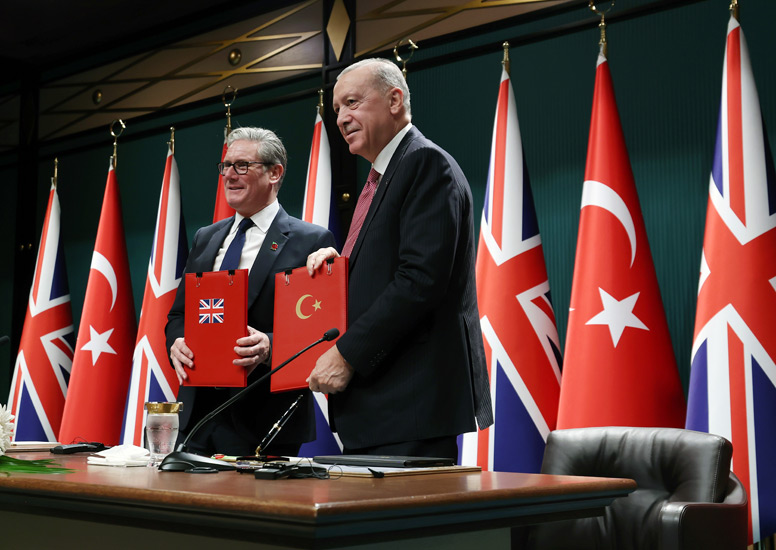
Following lengthy negotiations, an agreement for Turkey to procure 20 Eurofighter Typhoon Tranche 4 fighter jets from the UK was signed in Ankara on Oct. 27. Turkey will increase the number of aircraft in its Eurofighter fleet to 44 by procuring 12 second-hand Typhoons each from Qatar and Oman. The $10.7 billion (£8 billion) payment to the U.K. under the agreement has become a subject of debate in Turkish domestic politics, as the details of the package were not announced.

Turkish democracy is the casualty of Europe’s rediscovery of Turkey’s strategic value. To better understand the context of German Chancellor Friedrich Merz’s visit to Ankara next week, one has to go back to the end of the Cold War. Whereas European countries have benefited from the peace dividend, the contrary happened for Turkey in the aftermath of the fall of the Iron Curtain. After enjoying the relative stability of the bipolar order of the Cold War era, Turkey found itself in the midst of several conflict zones. While most European countries downsized their defense budgets, Turkey had no such luxury. The fight against separatist terrorism, the turbulence created by the Gulf War, and regional conflicts like the ones in the Caucasus dictated the maintenance of a big and well-equipped army.
Recent election results in Northern Cyprus have stirred visible unease within Turkey’s ruling alliance, particularly in the far-right MHP, even as the AKP maintained a controlled response, delivering expected statements despite its apparent preferences.